
In 2025, the race for health insurance customers is fiercer than ever, with digital innovation and rising consumer standards changing the rules of engagement. Agencies must rethink their approach to lead generation for health insurance to stay ahead in a digital-first, post-pandemic world.
This guide reveals the most effective and current strategies for attracting and converting quality leads. Discover digital tactics, automation tools, and data-driven insights designed to help you build a high-converting lead funnel from the ground up.
You will learn how to reach informed, tech-savvy consumers, overcome skepticism, and implement practical solutions like SEO, content marketing, automation, and omnichannel engagement. Take action on these proven steps to secure a steady stream of qualified leads and succeed in today’s competitive landscape.
Understanding the Health Insurance Lead Generation Landscape in 2025
The landscape of lead generation for health insurance in 2025 is evolving rapidly as consumer preferences, regulations, and technology advance. Agencies that adapt to these changes will be best positioned to capture qualified prospects and drive sustainable growth.

Shifting Consumer Behaviors and Expectations
Consumers now expect a digital-first experience throughout the process of lead generation for health insurance. The majority research and purchase policies online, seeking instant access to quotes and personalized recommendations.
With information at their fingertips, buyers are increasingly skeptical, often overwhelmed by aggressive sales tactics. A recent industry report shows that 70% of insurance buyers expect to complete significant steps of their journey through online self-service portals.
- Preference for transparent, easy-to-navigate platforms
- Demand for tailored policy suggestions
- Desire for immediate answers and minimal friction
These trends require agencies to refine their approach to lead generation for health insurance, focusing on trust, value, and streamlined digital journeys.
Regulatory and Compliance Considerations
As digital engagement grows, so does the complexity of compliance for lead generation for health insurance. Agencies must navigate evolving HIPAA, CCPA, and state-specific privacy laws, which govern how personal data is collected and used.
Transparent consent and clear opt-in processes are now mandatory on all digital forms. Marketing communications must comply with anti-spam and telemarketing regulations, ensuring that leads are never contacted without proper authorization.
- Emphasize clear privacy notices
- Use double opt-in for sensitive data
- Regularly audit data collection processes
Staying ahead of regulatory shifts is essential to build consumer trust and avoid costly penalties in lead generation for health insurance.
The Role of Data and Technology
Technology is at the heart of modern lead generation for health insurance. Agencies increasingly use AI-powered analytics to identify high-intent prospects and leverage real-time data enrichment to qualify leads instantly.
Predictive analytics tools are driving measurable results. For example, agencies adopting these solutions have seen lead conversion rates rise by 30%. Integrating CRM systems with marketing automation platforms further streamlines outreach and follow-up.
To explore more about innovative digital strategies, see these Health Insurance Lead Generation Strategies 2025.
Competitive Pressures and Market Fragmentation
The market for lead generation for health insurance is more crowded than ever. Insurtech startups and direct-to-consumer platforms are entering the space, offering disruptive business models and digital-first experiences.
Standing out requires agencies to develop value-based messaging and unique offers that resonate with today’s informed buyers. Differentiation is critical as consumers compare multiple providers before making decisions.
- Highlight exclusive benefits or technology
- Share customer success stories and testimonials
- Adapt quickly to emerging market trends
Agencies that fail to innovate risk losing ground to agile competitors investing in advanced lead generation for health insurance.
Key Challenges Facing Agencies
Despite new opportunities, several challenges persist in lead generation for health insurance. Agencies must balance the need for high-quality leads with the pressure to maintain volume. Rising costs of paid advertising demand careful optimization to ensure positive ROI.
Longer decision cycles make nurturing leads more complex, requiring patience and persistent engagement. Without robust strategies in place, agencies may struggle to convert leads effectively and sustain growth in a competitive landscape.
Step 1: Building a High-Converting Health Insurance Website
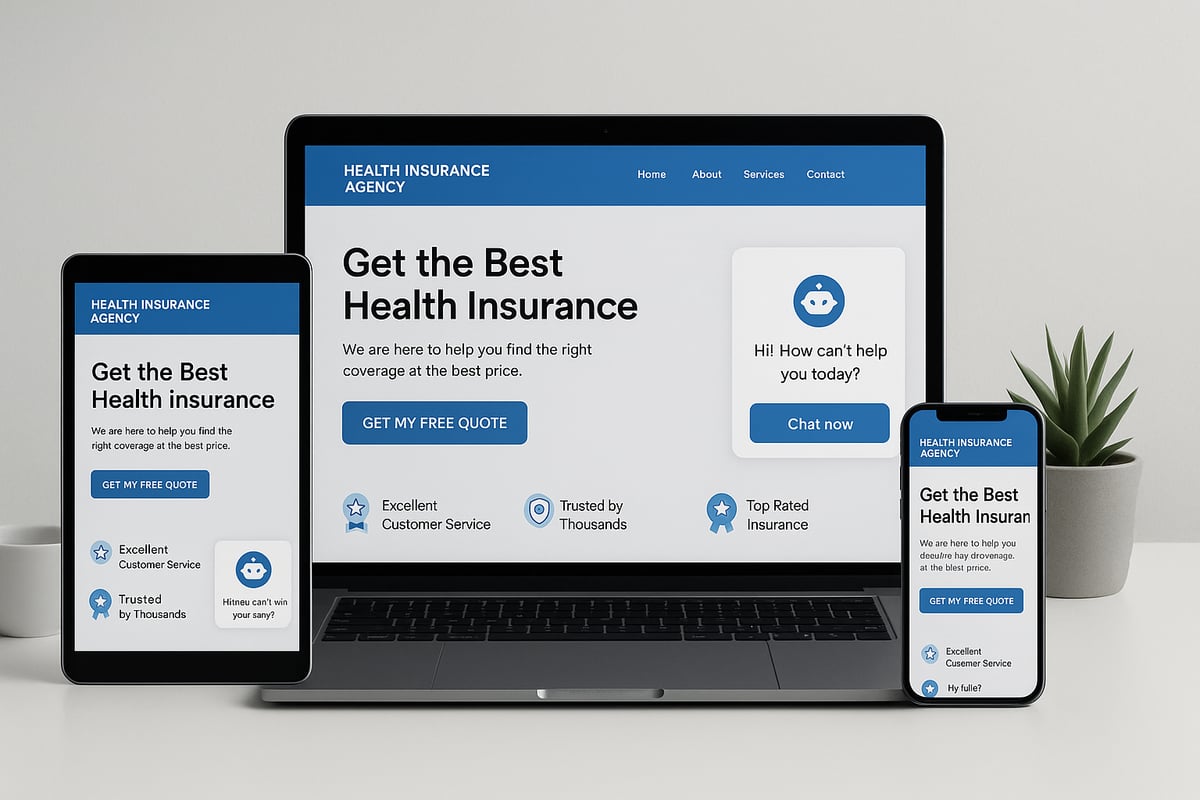
A well-optimized website is the cornerstone of lead generation for health insurance in 2025. Your digital storefront must inspire trust, deliver seamless experiences, and convert visitors into qualified leads. Each element, from design to compliance, plays a pivotal role in attracting and converting prospects.
User Experience and Mobile Optimization
User experience is critical for lead generation for health insurance. With over 60% of users browsing via mobile, your site must be responsive and intuitive on every device. Fast load times keep visitors engaged and reduce bounce rates. Streamlined navigation and accessible menus ensure users find information without frustration.
Key ways to optimize user experience:
- Responsive design that adapts to all screen sizes
- Compress images for faster load speeds
- Prioritize essential content above the fold
A smooth digital experience is the first step to winning new leads.
Clear Value Proposition and Trust Signals
Your website’s value proposition should be clear and compelling, setting you apart in the crowded health insurance market. Highlight unique offerings such as instant quotes or access to expert advisors. Building trust is equally vital for lead generation for health insurance. Display testimonials, ratings, and certifications prominently.
For example, adding trust badges can boost form completion rates by up to 42 percent. See how client testimonials for lead growth have helped other agencies gain credibility and convert more visitors.
Strategic Calls-to-Action (CTAs)
Effective CTAs are essential for lead generation for health insurance. Place action-oriented CTAs, like “Get My Free Quote” or “Compare Plans,” above the fold and throughout your site. Tailor messaging to the buyer’s stage, guiding them from research to conversion.
Tips for high-performing CTAs:
- Use contrasting colors for visibility
- Keep language clear and direct
- Test CTA placement for optimal results
Strategic CTAs move prospects swiftly through the lead funnel.
Conversion-Focused Forms and Chatbots
Streamlining lead capture forms is crucial for lead generation for health insurance. Short, user-friendly forms reduce friction and respect privacy. Deploy AI-powered chatbots for instant Q&A and 24/7 engagement, capturing hesitant visitors before they leave.
Did you know? Chatbots can increase lead capture rates by 25 percent by addressing questions in real time. Prioritizing ease of use and instant support leads to higher conversion rates.
Content Personalization and Localization
Personalized content elevates lead generation for health insurance by meeting users’ unique needs. Use dynamic content blocks to adapt messaging based on location, age, or interests. Support multiple languages to reach diverse markets and ensure accessibility.
Localization strategies include:
- Geo-targeted offers and policy details
- Language toggles for non-English speakers
- ADA-compliant design for inclusivity
Personalization builds trust and relevance for every visitor.
Compliance and Security
Compliance is non-negotiable in lead generation for health insurance. Ensure all data collection methods follow HIPAA and CCPA requirements. Secure your site with SSL certificates and robust data storage solutions.
A compliance-focused website not only protects your agency but also reassures prospects that their information is safe. This foundation is essential for sustainable lead growth.
Step 2: Driving Qualified Traffic with SEO and Content Marketing
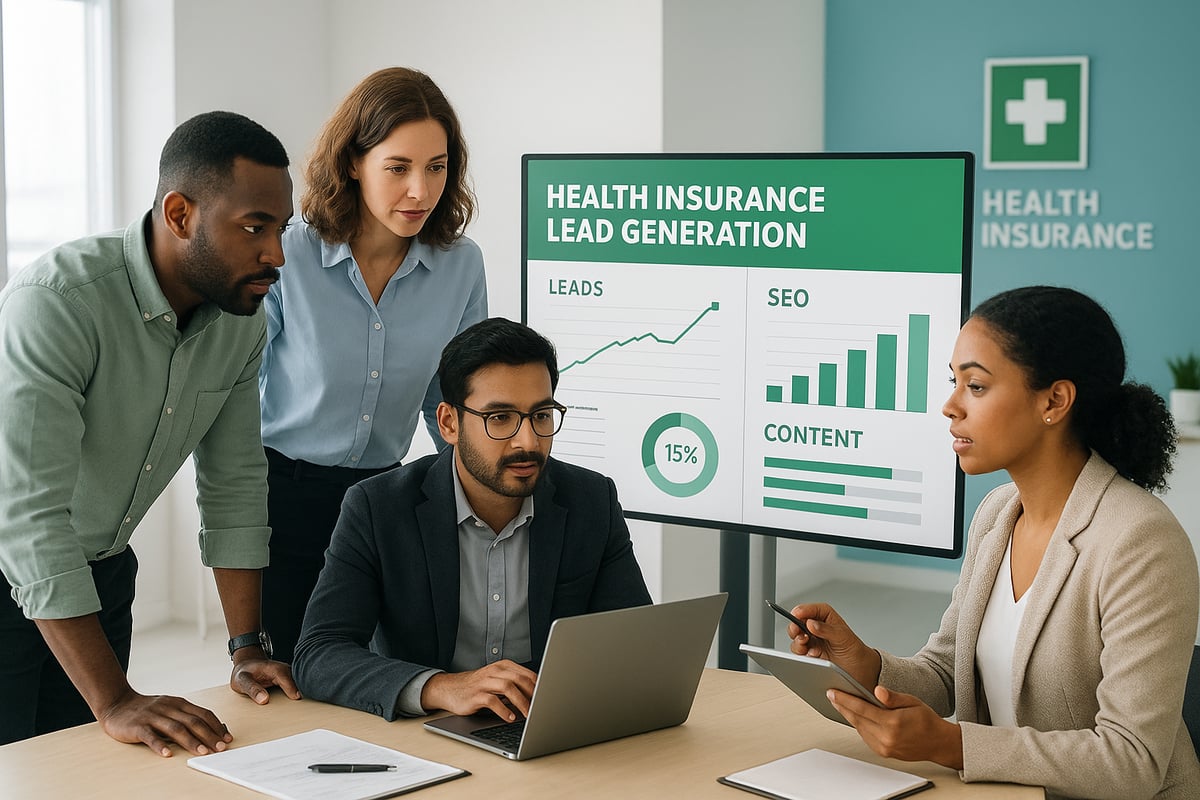
In today’s digital-first environment, driving qualified traffic is foundational for effective lead generation for health insurance agencies. A strategic blend of SEO and content marketing not only increases your online visibility but also attracts prospects who are actively seeking coverage. Let’s explore the latest tactics shaping success in 2025.
Keyword Strategy for Health Insurance in 2025
Start by building a keyword strategy that aligns with how consumers search for policies. Focus on high-intent, long-tail phrases like “affordable family health insurance plans 2025” or “best ACA coverage near me.” With the rise of smart speakers, voice search queries such as “what’s the best health insurance for seniors” are becoming common.
Data shows 58% of health insurance searches are now voice-activated. To stay ahead, analyze search intent and incorporate FAQ-style content. For deeper insights on emerging SEO trends, review Healthcare Lead Generation Trends 2025 to ensure your strategy is future-proof.
Creating Authoritative, Educational Content
Establish your agency as an industry leader by producing educational content tailored to each stage of the buyer’s journey. Blog posts, comprehensive guides, and infographics that clarify policy options, enrollment deadlines, and cost-saving tips help build trust.
Address common misconceptions and objections, such as “Is ACA coverage still available in 2025?” Content that answers these questions positions your agency as a reliable resource for lead generation for health insurance. Engaging, shareable materials also increase organic reach.
Local SEO for Insurance Agencies
Local SEO remains a critical pillar for agencies targeting specific regions. Optimize your Google Business Profile for each office location, ensuring accurate information and up-to-date contact details. Collect and showcase positive local reviews, as agencies with 20 or more see a 35% increase in inbound calls.
Earn local citations from reputable directories to boost your presence in map packs. These steps ensure your agency is visible to prospects searching for health insurance in their area, enhancing lead generation for health insurance at the community level.
On-Page and Technical SEO Best Practices
Effective on-page SEO starts with structured data markup for FAQs, reviews, and contact details to improve search result visibility. Ensure all pages load quickly and are optimized for mobile devices, as over 60% of users access via smartphones.
A robust internal linking strategy guides visitors through your content funnel, increasing time on site and conversion rates. Prioritizing these technical elements supports both user experience and lead generation for health insurance.
Link Building and Authority Development
Building authority in the health insurance space requires earning backlinks from trusted health, finance, and news websites. Guest posting and participating in expert interviews can showcase your expertise and attract high-quality links.
A strong backlink profile signals trust to search engines, improving your site’s visibility for lead generation for health insurance. Collaborate with industry partners and participate in relevant online discussions to expand your reach.
Content Promotion and Distribution
Promote your content through email newsletters, social media, and engagement in online communities. Repurpose long-form guides into videos, webinars, or podcasts to reach different segments of your audience.
Distributing content across multiple channels ensures your agency stays top-of-mind with prospects. This omnichannel approach is essential for maximizing lead generation for health insurance in a crowded market.
Measuring and Optimizing Content Performance
Leverage analytics tools to track metrics like organic traffic, bounce rates, and lead form submissions. Conduct A/B testing on headlines, calls to action, and content layouts to identify what resonates best with your audience.
Regularly reviewing performance data enables continuous improvement. By optimizing based on insights, agencies can refine their lead generation for health insurance strategies and boost conversion rates.
Step 3: Leveraging Paid Advertising and Omnichannel Campaigns
In 2025, paid advertising and omnichannel campaigns are essential pillars of lead generation for health insurance providers. Agencies must reach consumers where they are, using data-driven tactics across digital platforms to drive qualified leads and maximize ROI. The following strategies outline how to create a cohesive, high-performing paid and omnichannel approach that addresses the evolving digital landscape.

Pay-Per-Click (PPC) Advertising for Health Insurance
PPC advertising remains a cornerstone of lead generation for health insurance agencies. With Google Ads, agencies can target high-intent keywords and reach consumers actively searching for policies. Effective PPC campaigns use negative keyword filtering to prevent budget waste and leverage ad extensions such as sitelinks and callouts to boost click-through rates.
Top-performing agencies allocate a significant portion of their digital ad budget to PPC, often as much as 40 percent. By analyzing campaign data and refining targeting, agencies ensure their ads are visible to the right audience at the right moments. For a real-world example of successful PPC in action, review this Health insurance marketing case study.
Social Media Advertising
Social media platforms like Facebook, Instagram, and LinkedIn offer powerful tools for lead generation for health insurance. Facebook and Instagram lead ads, which use pre-filled forms, simplify the conversion process and minimize friction for users. LinkedIn campaigns are particularly effective for targeting HR professionals and small business owners who make group policy decisions.
Retargeting is another crucial tactic. By reaching users who have previously visited your website, agencies can re-engage warm prospects and drive them further down the funnel. Social media advertising also enables precise demographic targeting, ensuring each dollar spent is optimized for maximum impact.
Native and Display Advertising
Native and display advertising extends the reach of lead generation for health insurance by placing sponsored content on relevant health and finance websites. Native ads blend seamlessly with editorial content, increasing engagement and brand trust among research-phase prospects.
Programmatic ad platforms further refine targeting, using data to deliver ads to high-intent audiences based on behavior and interests. Creative assets must be tailored for each channel, ensuring consistency in messaging and design. Display ads, when combined with retargeting, can nurture leads over longer decision cycles and maintain brand visibility.
Omnichannel Lead Nurturing
A successful lead generation for health insurance strategy integrates omnichannel lead nurturing, coordinating messaging across email, SMS, phone, and chat. This seamless approach ensures that prospects receive consistent, timely communication, regardless of how they interact with your agency.
Automated drip campaigns can be triggered by user actions, such as requesting a quote or abandoning a form. These campaigns provide valuable information and reminders, keeping leads engaged throughout the decision-making process. Agencies leveraging omnichannel nurturing report a 23 percent higher lead-to-policy conversion rate, highlighting the importance of a unified experience.
Budget Allocation and ROI Tracking
Effective budget allocation is critical for maximizing the impact of lead generation for health insurance. Agencies should set channel-specific budgets based on historical performance data and anticipated demand. Regularly reviewing spend ensures resources are directed toward the highest-performing channels.
ROI tracking requires robust analytics. UTM parameters and call tracking allow agencies to attribute leads to specific campaigns, providing actionable insights. By continually monitoring performance, agencies can make informed adjustments, increasing efficiency and driving long-term growth.
Compliance in Digital Advertising
Compliance remains a central concern in digital advertising for health insurance. Agencies must adhere to platform policies and healthcare advertising regulations to avoid penalties and maintain consumer trust. This includes adding required disclaimers, transparent opt-out options, and ensuring all messaging aligns with HIPAA and CCPA standards.
Regular audits of ad content and processes help mitigate risks and uphold brand reputation. By prioritizing compliance, agencies protect both their clients and their own business interests in a landscape where data privacy and ethical marketing are increasingly scrutinized.
Step 4: Implementing Automation, CRM, and Lead Management Tools
Automation and CRM tools are now essential for agencies aiming to master lead generation for health insurance. Streamlining workflows and boosting response times can make the difference between a missed lead and a closed policy.
Choosing the Right CRM for Health Insurance Agencies
Selecting the best CRM platform is foundational for successful lead generation for health insurance. Look for features like lead scoring, automated follow-ups, and seamless integration with quoting engines. The right CRM should centralize all interactions, making it easier for your team to track every prospect.
A well-chosen CRM also enables quick response, which is critical. Agencies using advanced CRM systems often see their lead response speed double. If you need help evaluating or implementing these systems, consider exploring digital marketing services overview that specialize in insurance technology solutions.
Marketing Automation for Lead Nurturing
Marketing automation is a game changer for lead generation for health insurance. Automated email sequences keep prospects engaged throughout the decision journey. SMS reminders for appointments and enrollment deadlines help reduce drop-offs.
With automation, agencies can personalize messages based on user actions, improving the odds of conversion. Automated workflows also free up staff to focus on high-value tasks, optimizing both efficiency and results.
Real-Time Lead Routing and Response
Speed matters in lead generation for health insurance. Real-time routing assigns incoming leads to the right licensed agents instantly, based on location or specialty. AI chatbots and virtual assistants can qualify leads and answer initial questions, ensuring no opportunity is missed.
Agencies achieving a response time under five minutes convert up to 80 percent more leads. Prioritizing rapid response is a proven way to outperform competitors in a crowded market.
Data Enrichment and Predictive Analytics
Modern lead generation for health insurance thrives on data. Integrating third-party information enriches each lead profile, allowing agents to tailor their outreach. Predictive analytics help score leads, so teams focus on those most likely to convert.
By leveraging these tools, agencies can boost efficiency and maximize ROI. Data-driven insights also support continuous improvement in campaign targeting.
Compliance and Data Security
Compliance is non-negotiable in lead generation for health insurance. All automation tools must meet HIPAA and CCPA standards, ensuring sensitive data stays protected. Secure storage and encrypted transmission are vital.
Transparent consent processes for digital forms build trust with consumers. Adhering to privacy regulations safeguards both your agency and your clients.
Performance Monitoring and Reporting
Regular monitoring helps agencies stay on track with lead generation for health insurance. Dashboards track lead status, agent productivity, and conversion rates in real time. Detailed reports reveal bottlenecks and highlight areas for improvement.
Frequent audits ensure that systems and workflows remain optimized. Data transparency empowers teams to make better decisions and drive measurable growth.
Training and Adoption
Technology is only as effective as the people using it. Ongoing training ensures your team fully leverages CRM and automation tools. Incentivizing fast lead response and consistent follow-up builds a culture of accountability.
Regular workshops keep staff updated on the latest features and best practices. Investing in adoption maximizes the return on your technology investments.
Step 5: Nurturing, Qualifying, and Converting Health Insurance Leads
Navigating the final stage of lead generation for health insurance requires a blend of strategy, technology, and personalization. To turn prospects into loyal policyholders, agencies must nurture leads, qualify them effectively, and guide them smoothly through the conversion process.
Multi-Touch Lead Nurturing Strategies
Multi-touch nurturing is essential for successful lead generation for health insurance. Today’s consumers expect communication across multiple channels, tailored to their unique needs and preferences.
Key nurturing channels include:
- Email campaigns with personalized content and policy recommendations
- Phone outreach for in-depth consultations
- SMS reminders for deadlines or appointments
- Direct mail for targeted offers
Personalization is critical. Segment leads by demographics, policy interests, and engagement history. Agencies using multi-channel nurturing see engagement rates rise by 50 percent. For more practical methods, explore these Effective Health Insurance Lead Generation strategies.
Lead Qualification Frameworks
Not every lead is created equal. Efficient lead generation for health insurance depends on a clear qualification process that prioritizes high-value prospects.
Key qualification criteria:
- Age and coverage needs
- Income and household size
- Health status and policy preferences
Use discovery calls and digital forms to gather insights. Lead scoring models help agents focus on prospects most likely to convert. For globally relevant tips, review these Health Insurance Lead Generation Tips.
Effective Follow-Up Techniques
Consistent follow-up is vital for lead generation for health insurance. Research shows that 80 percent of sales require at least five contacts.
Best practices include:
- Scheduling follow-ups shortly after initial engagement
- Using scripts and templates to ensure compliance and professionalism
- Leveraging CRM reminders to avoid missed opportunities
Timely, value-driven follow-ups keep your agency top of mind and demonstrate commitment to the prospect’s needs.
Overcoming Common Objections
Objections are a natural part of lead generation for health insurance. Address concerns early and transparently to build trust.
Common objections and responses:
- Cost: Provide detailed comparisons and highlight cost-saving options
- Coverage: Explain benefits and network flexibility
- Provider networks: Share third-party validation and testimonials
A consultative approach, backed by data and real client experiences, helps overcome skepticism.
Consultation and Enrollment Support
Guiding leads through the decision and enrollment process reduces friction and increases conversions.
Support strategies:
- Offer virtual consultations for convenience and safety
- Provide step-by-step online enrollment assistance
- Use live chat and video calls to answer last-minute questions
Empowering prospects with expert guidance streamlines the path from inquiry to policy.
Measuring Conversion Success
Tracking performance is key to refining lead generation for health insurance. Use analytics tools to monitor every step, from engagement to closed deals.
| Metric | Why It Matters |
|---|---|
| Appointment Show Rate | Indicates lead engagement |
| Policy Applications | Measures interest in products |
| Closed Deals | Tracks overall conversion |
Continuous feedback and data-driven adjustments ensure long-term growth.
Reducing No-Shows and Increasing Retention
Reduce no-shows and boost retention by making each step easy and informative.
Tactics include:
- Automated reminders for appointments and deadlines
- Educational onboarding resources for new clients
- Follow-up check-ins to address ongoing needs
When clients feel supported, they are more likely to remain loyal and refer others.
Future Trends and Innovations in Health Insurance Lead Generation
The future of lead generation for health insurance is being shaped by rapid technological advancements and shifting consumer preferences. Agencies must stay agile to remain competitive, adopting innovative strategies that resonate with today’s digital-first audience.
AI and Machine Learning in Lead Scoring and Personalization
Artificial intelligence is revolutionizing how agencies identify and engage prospects. Predictive models analyze behavioral data to pinpoint high-lifetime-value leads, while machine learning algorithms continuously refine targeting. By leveraging these tools, agencies can personalize content, recommend tailored policies, and automate follow-ups for better results.
Key benefits include:
- Higher conversion rates from accurate lead scoring
- Automated policy recommendations based on real-time data
- Improved efficiency by focusing on high-potential prospects
Voice Search and Conversational Interfaces
Voice-enabled devices are transforming search behavior. Consumers increasingly use voice assistants to inquire about insurance options, compare plans, or request quotes. Optimizing for voice search is now essential for effective lead generation for health insurance.
To stay ahead:
- Incorporate natural language and question-based keywords
- Develop conversational chatbots for instant, interactive support
- Ensure website content is easily accessible via voice commands
Video Marketing and Virtual Consultations
Video content is becoming a powerful differentiator. Agencies use explainer videos, customer testimonials, and live Q&A sessions to educate and engage prospects. Virtual consultations simplify the enrollment process, offering personalized guidance in real time.
Consider these strategies:
- Produce short, informative videos addressing common questions
- Host virtual consultations to build trust and reduce friction
- Highlight client success stories through video testimonials
Regulatory Changes and Data Privacy
Data privacy regulations are tightening, impacting every aspect of lead generation for health insurance. Agencies must ensure full compliance with HIPAA, CCPA, and evolving state laws to protect sensitive information and maintain trust.
Action steps include:
- Implement transparent data collection and consent processes
- Regularly audit marketing practices for compliance
- Train staff on privacy standards and ethical marketing
Integration with Health Tech and Wellness Platforms
Collaboration with telehealth and wellness platforms is opening new doors for agencies. Integrating wearable data or partnering with digital health apps can provide richer insights into customer needs, enhancing targeting and retention. For agencies navigating these innovations, resources like Who we help: insurance agencies can offer valuable guidance on effective integration.
Benefits include:
- More personalized policy recommendations
- Opportunities for cross-promotion and value-added services
- Increased client engagement through wellness incentives
The Rise of Self-Service and Digital Enrollment
Modern consumers want convenience and control. Self-service tools, such as instant quoting engines and online policy management, are now must-haves for lead generation for health insurance. Streamlined digital enrollment reduces friction and appeals to tech-savvy buyers.
Key features:
- User-friendly online forms for quick quotes
- Secure portals for policy management
- Automated reminders for renewals and deadlines
Continuous Optimization and Learning
Success in lead generation for health insurance requires constant improvement. Agencies should embrace A/B testing, analyze campaign data, and invest in ongoing staff training to adapt to market changes.
Best practices:
- Test new channels and creative formats regularly
- Use dashboards to monitor performance and ROI
- Provide continuous education to stay ahead of industry trends