
In 2025, the field of aesthetic medicine is more competitive than ever before. To stand out, plastic surgeons must master digital marketing for plastic surgeons, as patients increasingly rely on online resources to choose their providers.
This guide offers a comprehensive look at the latest strategies, compliance updates, and actionable steps for plastic surgeons to excel online. You will find expert advice on building a strong web presence, harnessing social media, managing reviews, maintaining compliance, investing in paid ads, and measuring return on investment.
Are you ready to boost your visibility, reputation, and patient bookings? Read on to discover proven digital tactics and start implementing them today for measurable growth and compliance.
The Digital Marketing Landscape for Plastic Surgeons in 2025
In 2025, digital marketing for plastic surgeons is redefining how practices connect with patients. The landscape is rapidly evolving, driven by increased demand for aesthetic procedures and a significant shift toward online research. More patients are now turning to digital channels before making any healthcare decisions, making a robust online strategy essential.
Patients are highly informed and discerning. Recent data shows that 84 percent of prospective patients read online reviews, and over half review at least six feedback entries before selecting a provider. This shift means that digital marketing for plastic surgeons must prioritize transparency and credibility at every touchpoint. Practices can no longer rely solely on word-of-mouth referrals or traditional advertising to attract high-value patients.
Competition is intensifying as both local and national providers ramp up their investment in digital marketing for plastic surgeons. With more clinics entering the market, a strong digital presence is now the primary differentiator. Successful practices are embracing an omnichannel approach, integrating their websites, social media platforms, online reviews, and paid advertising for a seamless patient journey. This integration ensures that patients encounter consistent messaging and easy access to services, regardless of where they start their search.
The regulatory environment is also shifting. New HIPAA, FTC, and state-specific advertising laws are shaping what is permissible in digital marketing for plastic surgeons. Compliance is no longer optional, as enforcement agencies are increasing scrutiny on healthcare marketing claims, patient privacy, and data handling. Surgeons must ensure all messaging is accurate, avoid misleading claims, and secure explicit consent for sharing patient information or before-and-after photos.
Technology is influencing patient search behavior. Mobile and voice search are on the rise, with most patients now using smartphones or voice assistants to research procedures and locate providers. Websites must be mobile-optimized and load quickly to capture and retain patient interest. Voice search, in particular, is driving the need for conversational content and localized search optimization.
Data privacy and trust are paramount in digital marketing for plastic surgeons. Patients expect full transparency about how their data is collected, stored, and used. Practices that communicate privacy policies clearly and demonstrate responsible data stewardship will build stronger patient relationships. For a deeper look at emerging trends like virtual consultations and the growing influence of social media, see Plastic Surgery Marketing Trends 2025.
In summary, digital marketing for plastic surgeons in 2025 requires agility, compliance, and a patient-centric mindset. By staying ahead of trends, embracing omnichannel strategies, and prioritizing trust, surgeons can thrive in an increasingly competitive digital marketplace.
Building a High-Performing Website and Online Presence
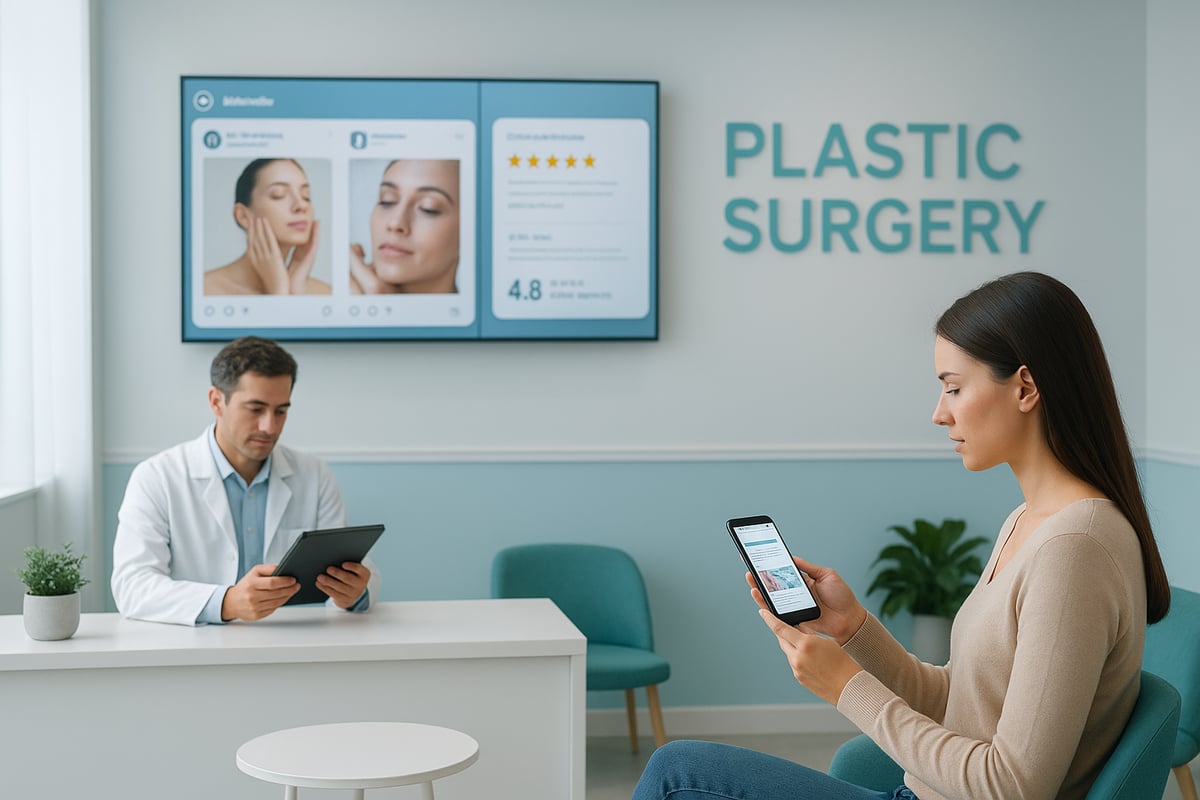
A robust online presence is essential in digital marketing for plastic surgeons. Patients are more informed and selective than ever, making your website, business listings, and social media the foundation for attracting and converting new leads. Focusing on these pillars ensures your practice stands out in a crowded marketplace.

Website Optimization for Plastic Surgeons
Your website is the digital front door of your practice. To rank well in search results, digital marketing for plastic surgeons must prioritize EEAT: Experience, Expertise, Authoritativeness, and Trustworthiness. Showcase credentials, board certifications, and real patient stories to build confidence.
Content should address common patient concerns and describe procedures in detail. Incorporate relevant keywords naturally and use high-quality images and videos with patient consent. A mobile-first design is vital, as most patients research services on their phones. Fast page load times reduce bounce rates and keep users engaged.
Structure each service page clearly. Use separate pages for popular procedures like breast augmentation, rhinoplasty, and facelifts. Each page should have a strong call-to-action urging visitors to schedule a consultation or request information.
Meta descriptions act as your shop window in search results. Write informative, compelling snippets to improve clickthrough rates. Always protect patient privacy—never include protected health information. Secure written consent for all before and after photos.
To maximize patient acquisition, explore healthcare lead generation strategies that integrate seamlessly with your website, turning visitors into qualified leads. A well-optimized website remains the cornerstone of digital marketing for plastic surgeons, supporting every other marketing channel.
Google Business Profile Optimization
A complete and accurate Google Business Profile is crucial for digital marketing for plastic surgeons targeting local patients. Start by claiming and verifying your profile. Fill in every detail, including services, business hours, and accepted payment methods.
Add high-quality photos of your clinic, staff, and procedure results (with consent). List all relevant procedures so patients find exactly what they need. Encourage satisfied patients to leave reviews and respond promptly to all feedback in a professional manner.
According to Google, businesses with a complete profile are 70 percent more likely to attract visits and 50 percent more likely to be considered by potential patients. Use Google Maps integration to make it easy for patients to get directions and book appointments.
Regularly update your profile with new photos, posts, and announcements. Monitoring and managing your business listing strengthens your local search presence, a critical component of successful digital marketing for plastic surgeons.
Social Media Marketing for Surgeons
Social media is a powerful tool in digital marketing for plastic surgeons, helping you reach and educate potential patients. Choose platforms that align with your target audience—Instagram and TikTok for younger demographics, Facebook for a broader age range.
Share educational posts, FAQs, and evergreen content that answer common questions and highlight your expertise. Use before and after images only with explicit patient consent, and always follow regulatory guidelines such as those from the ASPS.
Collaborate with reputable influencers to expand your reach, but monitor all partnerships for compliance. Track engagement metrics using built-in analytics to refine your strategy and adjust content based on what resonates most.
A consistent, compliant social media presence not only builds brand awareness but also directs traffic back to your website, reinforcing your entire digital marketing for plastic surgeons strategy.
Managing Online Reputation and Patient Reviews
Building a strong online reputation is a cornerstone of digital marketing for plastic surgeons. In today’s connected world, patients rely on reviews and testimonials to guide their choices. The right approach to reputation management can set your practice apart, increase trust, and drive more patient bookings.

Importance of Reviews in Patient Decision-Making
The influence of patient reviews on digital marketing for plastic surgeons continues to grow each year. Recent studies show that 84% of prospective patients read online reviews before choosing a provider. Nearly half, 45%, say their decision is affected by how doctors respond to feedback.
Positive reviews signal expertise and reliability, helping new patients feel confident in their choices. On the other hand, negative or unanswered reviews can erode trust. For surgeons, actively managing this aspect of digital marketing for plastic surgeons is not just a best practice, it is a necessity.
Strategies for Encouraging and Managing Reviews
A proactive approach to reviews is a key part of digital marketing for plastic surgeons. Encourage satisfied patients to share their experiences by requesting reviews after consultations or procedures. Use automated email or text prompts to make the process easy and timely.
Monitor reviews on platforms like Google, Facebook, and specialized third-party sites. Thank patients for positive feedback and invite those with concerns to connect privately, always maintaining privacy and HIPAA compliance.
- Request feedback soon after appointments
- Track reviews across all major platforms
- Never discuss patient details publicly
- Respond promptly and professionally
Practices with active review management consistently see higher patient acquisition rates. For more insights into best practices, see online reputation and testimonials from industry leaders.
Handling Negative Feedback and Reputation Crises
No practice is immune to negative reviews. The key to effective digital marketing for plastic surgeons is responding quickly and empathetically. Acknowledge the feedback, express appreciation for the patient’s input, and offer to resolve concerns offline.
Document all feedback internally as part of a quality improvement plan. Use positive testimonials to balance the impact of isolated negative experiences. Employ review monitoring tools to receive instant alerts and act before issues escalate.
- Respond within 24 hours to negative reviews
- Avoid discussing individual cases to protect privacy
- Consult legal or compliance experts for complex situations
Always remember, maintaining HIPAA compliance and professionalism in every response protects your reputation and sets your practice apart in digital marketing for plastic surgeons.
Compliance and Ethical Considerations in Digital Marketing
Navigating compliance and ethics is essential for any practice using digital marketing for plastic surgeons. With regulations tightening and patient awareness growing, even small missteps can have significant consequences. Understanding the legal landscape not only protects your practice but also reassures potential patients that their privacy and trust are priorities.
HIPAA and FTC Marketing Regulations
Compliance with HIPAA and FTC rules is fundamental when leveraging digital marketing for plastic surgeons. As a covered entity, a plastic surgery practice must safeguard all protected health information (PHI) when marketing online. This means email, SMS, and retargeting campaigns require explicit patient consent and must avoid sharing any PHI without authorization.
The FTC enforces truth in advertising, requiring all claims about services, outcomes, and credentials to be accurate and substantiated. For example, only board-certified professionals should advertise themselves as “plastic surgeons.” Misrepresenting qualifications or exaggerating results can lead to fines and loss of reputation.
Staying compliant also means understanding the nuances of digital channels. For instance, before and after photos should never reveal identifying information unless the patient has signed a detailed consent form. Practices should review all copy and creatives to ensure they align with HIPAA and FTC standards. For a deeper dive into HIPAA-compliant strategies, see HIPAA Compliance in Digital Healthcare Marketing.
By making compliance a cornerstone of digital marketing for plastic surgeons, practices avoid legal risks and foster patient trust.
State Licensing and Advertising Laws
In addition to federal laws, digital marketing for plastic surgeons must comply with state-specific regulations. Many states enforce “truth in advertising” statutes, often mirroring or exceeding federal requirements. This includes accurate representation of credentials, avoiding misleading language, and ensuring all advertised procedures fall within the surgeon’s licensed scope.
Some states introduce extra layers of privacy protection. For example, marketing communications may require explicit opt-in consent, with clear disclosures about how patient data will be used. Laws around digital retargeting and email outreach can differ, so it is essential to stay updated on any changes.
A few states even mandate that practices obtain written, detailed consent before using any patient image or testimonial in marketing content. Ignoring these rules can result in penalties or even license suspension. Regular legal reviews and staff training help ensure digital marketing for plastic surgeons stays compliant across all jurisdictions.
Best Practices for Ethical Digital Marketing
Ethical standards are as crucial as legal ones in digital marketing for plastic surgeons. Adhering to American Society of Plastic Surgeons (ASPS) guidelines ensures that all communications are honest, respectful, and professional.
Always obtain written consent before sharing patient images or stories. Avoid sensationalism or unrealistic claims about results. Instead, focus on educating patients and setting accurate expectations.
Train your team on compliant communication, especially when responding to online reviews or social media comments. When in doubt, consult with legal or compliance experts to review campaigns and materials.
By prioritizing both compliance and ethics, practices using digital marketing for plastic surgeons build lasting reputations and foster patient loyalty.
Paid Online Advertising Strategies for Plastic Surgeons
In 2025, paid online advertising remains a cornerstone of digital marketing for plastic surgeons. With more patients researching providers online, targeted ad campaigns help practices stand out and attract qualified leads. Effective use of paid channels delivers measurable ROI, supports omnichannel strategies, and ensures your practice remains competitive in a crowded marketplace.
Search Engine Advertising (Google Ads, Bing Ads)
Search engine advertising is a critical pillar of digital marketing for plastic surgeons. Platforms like Google Ads and Bing Ads allow you to target individuals actively searching for procedures such as breast augmentation, rhinoplasty, or facelifts.
Key strategies include:
- Crafting compliant and compelling ad copy that highlights your unique expertise.
- Designing dedicated landing pages optimized for conversions and mobile devices.
- Using location targeting to reach patients in your service area and adjusting bids based on demographics.
Pay-per-click campaigns often deliver faster results than organic efforts. In fact, PPC traffic converts 50 percent better than organic search, demonstrating the direct impact of digital marketing for plastic surgeons. Always track conversions, monitor cost per lead, and refine campaigns to maximize return on investment.
Social Media and Review Site Advertising
Social media platforms are essential in digital marketing for plastic surgeons, offering powerful tools for brand awareness and patient acquisition. Facebook, Instagram, and TikTok ads enable you to reach targeted audiences with visually engaging content and precise geotargeting.
For maximum impact:
- Tailor ad creatives to showcase before and after results, testimonials, and educational videos, always securing proper patient consent.
- Use A/B testing to determine which images, messages, and offers resonate best with your audience.
- Advertise on review sites to build trust and amplify your positive reputation.
Compliance is crucial. Ensure all ad content meets platform guidelines and healthcare regulations. For inspiration and proven tactics, review case studies of patient acquisition that demonstrate successful campaigns in digital marketing for plastic surgeons.
Brand Awareness and Retargeting Campaigns
Brand awareness and retargeting campaigns are vital components of digital marketing for plastic surgeons. These strategies keep your practice top of mind for prospective patients who have visited your website or engaged with your ads but have not yet booked a consultation.
Implement retargeting by:
- Displaying tailored ads to previous website visitors as they browse other sites.
- Reinforcing your brand message and showcasing your expertise with consistent visuals.
- Measuring the increase in patient inquiries and brand recognition over time.
By integrating retargeting with your broader digital marketing for plastic surgeons strategy, you nurture leads, encourage conversions, and create multiple touchpoints throughout the patient decision journey.
Measuring and Optimizing Digital Marketing ROI
Measuring the return on investment (ROI) is essential for successful digital marketing for plastic surgeons. With patient acquisition costs rising and competition intensifying, understanding which strategies yield results ensures resources are allocated wisely. A systematic approach to analytics, key performance indicators, and continuous improvement helps practices maximize growth while maintaining compliance.
Tracking and Analytics Tools
Robust analytics are the backbone of digital marketing for plastic surgeons. Practices should implement tools like Google Analytics, Facebook Insights, and CRM software to monitor website visits, lead sources, and patient engagement. Setting up conversion tracking for forms, calls, and bookings allows teams to see exactly what drives new consultations.
It is vital to configure analytics systems to avoid collecting protected health information (PHI), maintaining HIPAA compliance at every step. For a deeper dive into privacy and secure analytics, explore this resource on HIPAA-Compliant Digital Marketing for Healthcare. Integrating these solutions helps track which channels deliver the best ROI without risking patient data.
Regularly reviewing analytics enables plastic surgeons to identify trends, high-performing campaigns, and areas for improvement. This data-driven approach empowers teams to refine digital marketing for plastic surgeons, ensuring maximum impact and regulatory safety.
Key Performance Indicators for Plastic Surgeons
Tracking the right metrics is crucial for evaluating digital marketing for plastic surgeons. Key performance indicators (KPIs) offer actionable insights into the effectiveness of each channel and campaign. Focus on these essential KPIs:
| KPI | Why It Matters |
|---|---|
| Website traffic | Measures online visibility |
| Bounce rate & session duration | Indicates user engagement |
| Lead volume & cost per lead | Shows efficiency of campaigns |
| Consultation booking rates | Tracks conversion from interest to action |
| Review volume & average rating | Reflects reputation and patient satisfaction |
| Cost per patient acquisition | Reveals overall marketing efficiency |
Benchmarking these KPIs against industry standards and competitors provides context for performance. Calculating ROI by comparing total marketing spend to patient lifetime value helps practices prioritize the most effective digital marketing for plastic surgeons strategies.
Continuous Improvement and Optimization
Digital marketing for plastic surgeons is never static. Ongoing optimization is necessary to stay ahead of evolving algorithms and patient expectations. Conduct regular A/B testing on ads, landing pages, and calls to action to discover what resonates best.
Gather patient feedback to refine messaging and service offerings. Stay updated on digital marketing trends and allocate budget toward high-performing channels. Continuous improvement ensures that every marketing investment delivers measurable growth and keeps your practice competitive.
Leveraging Specialized Digital Marketing Partners
Plastic surgeons today face enormous challenges when handling digital marketing for plastic surgeons internally. The landscape is evolving rapidly, with new compliance requirements and patient expectations. This makes it increasingly difficult to keep up while focusing on patient care.
Partnering with agencies that specialize in digital marketing for plastic surgeons brings significant advantages. These teams offer deep healthcare compliance knowledge and proven patient acquisition strategies. By leveraging digital marketing team expertise, practices gain access to proprietary tools, industry insights, and systems that drive measurable growth.
Experienced partners help streamline campaigns, improve lead quality, and ultimately increase consultation bookings. For busy surgeons, this support is invaluable, allowing them to focus on clinical excellence while their marketing thrives.
RevSpark Media: End-to-End Patient Acquisition for Plastic Surgeons
RevSpark Media stands out as a leader in digital marketing for plastic surgeons, offering a complete solution that covers every stage of the patient journey. Their approach begins with campaign setup and extends through lead qualification, appointment booking, and follow-up.
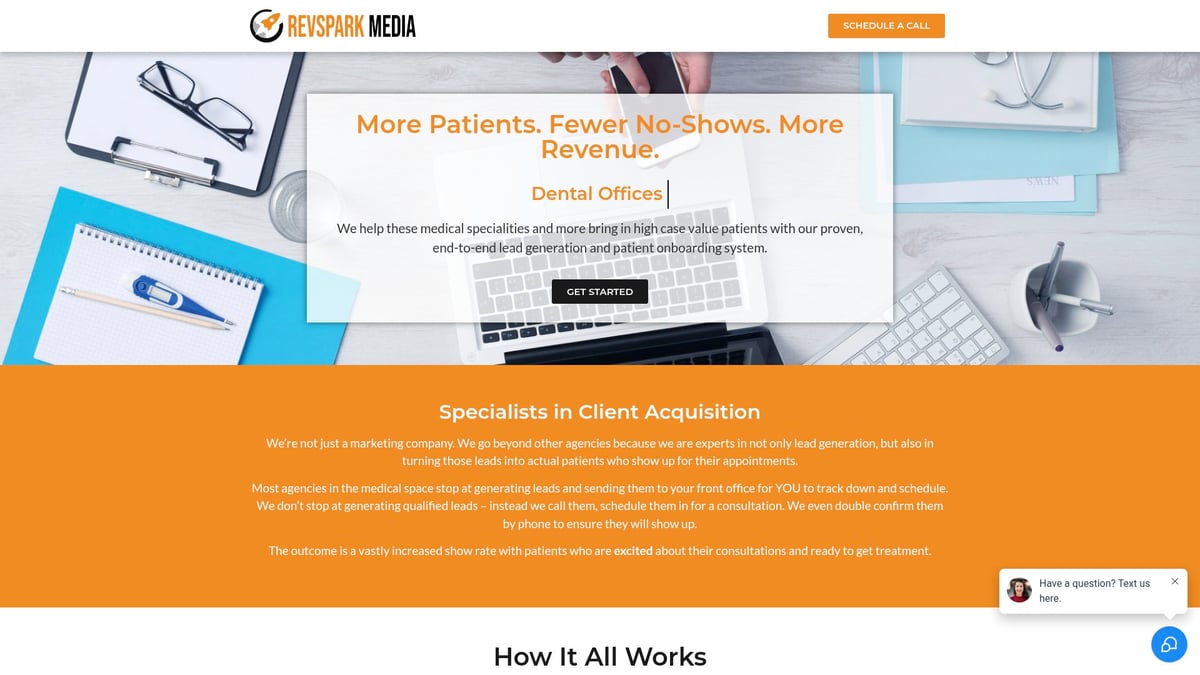
One of RevSpark Media’s key innovations is proprietary technology that identifies up to 60% of anonymous website visitors. This dramatically increases the potential lead pool and supports more effective targeting. Their in-house pre-sales team responds to inquiries within two minutes, provides double-confirmation, and ensures high consultation show rates.
Plastic surgeons benefit from services including ad copywriting, custom landing page creation, consultation team training, CRM integration, and systematic follow-up. RevSpark Media’s specialized compliance expertise ensures that all digital marketing for plastic surgeons meets complex healthcare regulations and advertising standards.
With a proven track record of driving over $100M in client growth, a performance guarantee, and transparent reporting, RevSpark Media is an ideal partner for practices seeking measurable growth. Their comprehensive support empowers surgeons to attract high-value patients and maximize ROI while staying fully compliant.