
Connected TV is redefining digital advertising at a rapid pace. As CTV’s influence grows, advertisers and agencies are seeing dramatic shifts in how audiences engage with content. The trade desk ctv is at the center of this evolution, driving innovation and shaping campaign strategies for the future. In this guide, you will discover actionable insights to master CTV advertising and future-proof your campaigns. We will explore 2026 CTV trends, The Trade Desk’s evolving ecosystem, competitive dynamics, step-by-step mastery, and advanced optimization. This article will equip you with the knowledge and tools to excel in CTV advertising using The Trade Desk in 2026.
The CTV Landscape in 2026: Trends, Growth, and Disruption
Connected TV is transforming digital advertising at an unprecedented pace. By 2026, the trade desk ctv ecosystem will be at the center of this evolution, driving both opportunity and disruption for marketers and agencies.
Key Market Shifts and Growth Trajectory
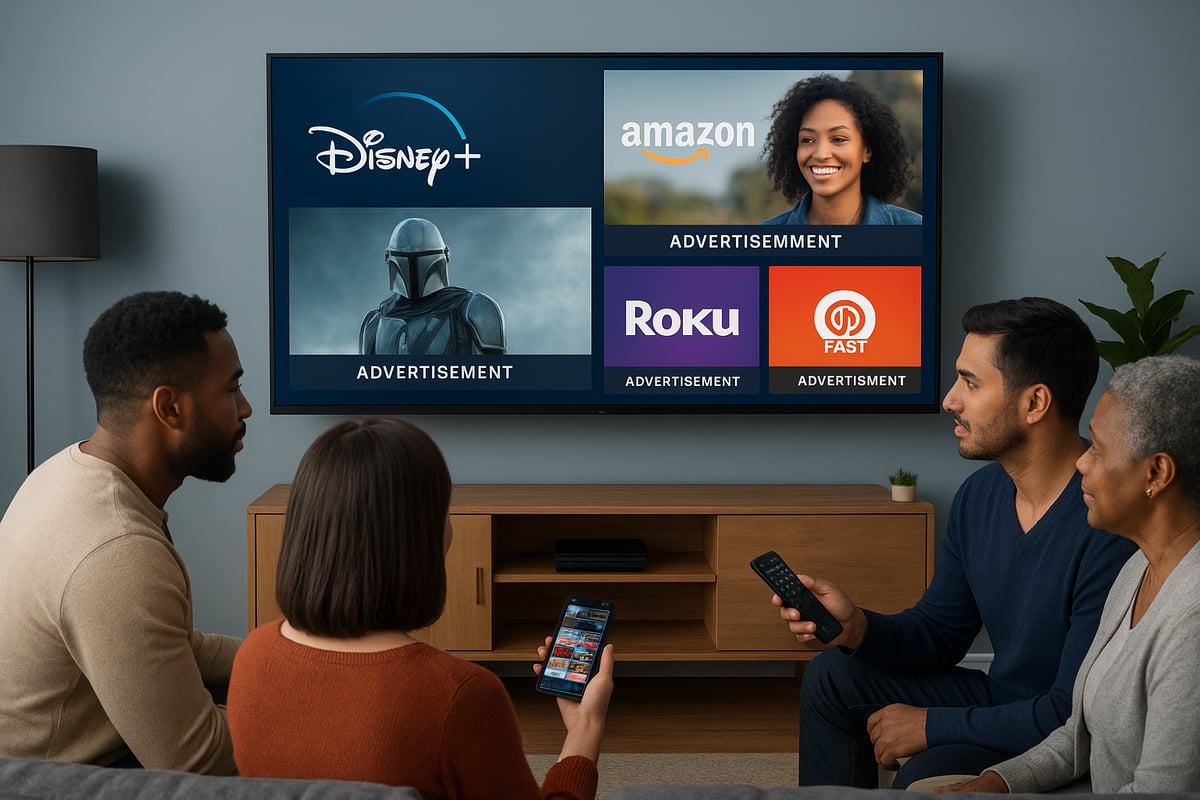
The connected TV sector is poised for explosive growth. Industry forecasts predict CTV will account for more than 40 percent of all digital ad spend by 2026. This surge is fueled by a rapid shift from traditional cable and broadcast to streaming and on-demand content.
Viewers are embracing platforms like Roku, Amazon, Disney+, and a wave of new FAST (Free Ad-Supported TV) channels. According to Comscore’s 2025 State of Streaming report, total hours spent on major ad-supported services jumped by 43 percent in the past year alone. This trend highlights the scale of audience migration and the rising importance of CTV inventory.
However, the trade desk ctv landscape is becoming increasingly fragmented. Marketers must navigate a patchwork of devices, operating systems, and content providers. Each platform offers unique audiences, inventory types, and measurement challenges. The growing complexity demands advanced tools and partnerships.
Data privacy and signal loss are now top concerns. As third-party cookies and mobile identifiers diminish, CTV advertisers require new solutions for targeting and attribution. Programmatic buying and automation have become the norm, powering more efficient and measurable campaigns. The Trade Desk’s partnerships with Disney and Roku, for example, have unlocked exclusive access to premium streaming inventory, allowing brands to reach high-value viewers with precision.
The demand for actionable, performance-driven results is pushing the trade desk ctv approach to new heights. Brands want to see clear connections between CTV ad exposure and business outcomes, fueling innovation in measurement and analytics.
Competitive Dynamics and Ecosystem Players
The CTV marketplace is fiercely competitive. Major players like Amazon DSP, Roku, and Comcast are investing heavily to capture share from the trade desk ctv segment. Each brings unique strengths—Amazon leverages its owned-and-operated platforms (Fire TV, Prime Video), while Roku controls a vast device ecosystem and direct consumer relationships.
New “CTV-first” DSPs such as Pontiac and Viant are emerging, offering lower take rates and simplified buying experiences. These upstarts challenge established platforms by prioritizing transparency and cost efficiency. In contrast, The Trade Desk maintains a consistent take rate close to 20 percent, even as some competitors compress fees to attract more spend.
Operating systems and hardware integration are also reshaping ad delivery. Companies that control both the device and the ad platform, like Roku and Amazon, can offer seamless inventory access, enhanced data, and exclusive targeting capabilities. This affects how marketers approach the trade desk ctv buying process, as inventory quality and exclusivity become key differentiators.
Retail media networks are expanding into CTV, with companies like CVS and Albertsons offering shopper-based data for advanced audience targeting. Their entry is broadening the scope of available inventory and adding new layers of data-driven opportunity.
As 2026 approaches, the trade desk ctv marketplace will remain dynamic and complex. Advertisers who understand these shifts and leverage the right mix of platforms, data, and technology will be best positioned to drive measurable success.
The Trade Desk’s Vision and Platform Evolution for CTV
Connected TV is rapidly transforming digital advertising, and the trade desk ctv is at the center of this revolution. As advertisers look for scalable, efficient, and measurable solutions, The Trade Desk’s vision stands out as both ambitious and pragmatic. The company’s approach to CTV is rooted in independence, innovation, and a relentless focus on data-driven outcomes.
The Trade Desk’s Strategic Position in CTV
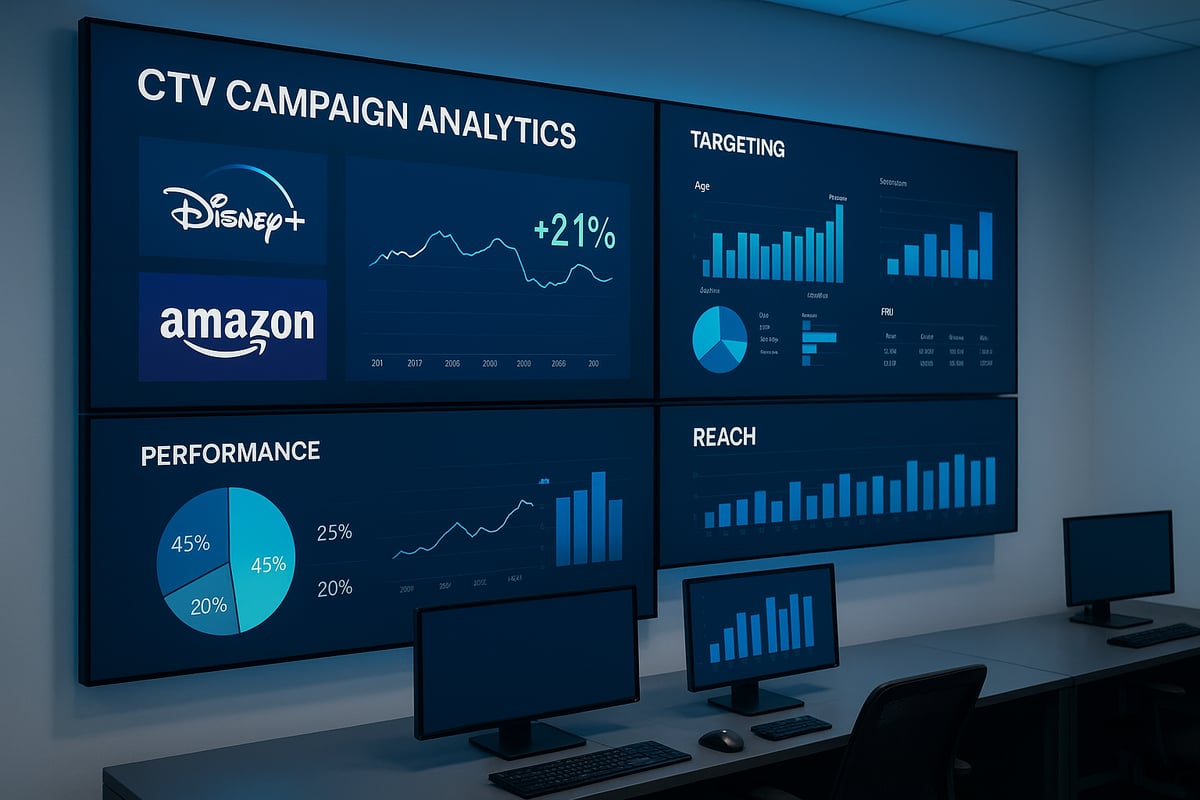
The trade desk ctv has established itself as the leading independent demand-side platform in the connected TV sector. By 2025, nearly 40 percent of its total revenue is projected to come from CTV, reflecting both market momentum and The Trade Desk’s commitment to this channel.
A key part of this strategy is the ongoing development of a proprietary CTV operating system. This initiative aims to minimize reliance on intermediaries, giving advertisers more direct access to premium inventory. Exclusive partnerships with major players such as Disney, Roku, and retail media networks further strengthen The Trade Desk’s position. These collaborations enable buyers to tap into high-value audiences, while identity solutions help address the growing challenges of signal loss and privacy.
For advertisers, the trade desk ctv offers a blend of independence, scale, and data-driven targeting. This balance is crucial as the CTV landscape becomes more fragmented and competitive. The Trade Desk’s focus on interoperability and transparency continues to attract agencies and brands seeking both control and innovation. For more on how strategic partnerships are shaping programmatic CTV, see The Trade Desk’s CTV partnerships.
Platform Innovations and New Features for 2026
Innovation is central to the trade desk ctv platform. In 2026, the launch of a proprietary CTV operating system is expected to dramatically improve data access, signal integrity, and measurement capabilities for advertisers. By reducing layers between buyers and publishers, this system promises more efficient and transparent transactions.
Artificial intelligence and machine learning will play a bigger role in campaign management. The Trade Desk is integrating advanced algorithms for smarter bidding, audience segmentation, and real-time optimization. Enhanced campaign controls and analytics give advertisers greater visibility into performance, helping them adjust tactics quickly.
One standout feature is the use of robust data infrastructure, such as Amazon Marketing Cloud integration, to deliver advanced reporting and cross-channel insights. The trade desk ctv is also addressing privacy and signal loss head on, investing in identity frameworks like Unified ID 2.0 and privacy-first solutions. As CTV adoption grows globally, The Trade Desk is expanding its reach into new international markets and verticals, ensuring advertisers can scale campaigns across regions.
Market Perception and Advertiser Sentiment
As The Trade Desk deepens its integration with CTV partners and innovates its platform, industry perception is closely watched. Some advertisers express concerns about whether the trade desk ctv can maintain its independence while forging deeper ties with major platforms. Transparency and usability remain critical factors for agencies and brands evaluating DSPs.
Advertiser feedback highlights the platform’s strengths in analytics, campaign control, and reporting. Many brands conduct A/B tests, comparing the trade desk ctv to other DSPs such as Amazon, to assess cost efficiency and inventory quality. The Trade Desk’s consistent take rate policy, around 20 percent, is communicated transparently, setting expectations in a market where fee compression is common.
Ultimately, the trade desk ctv is seen as a trusted partner for sophisticated CTV campaigns. Its blend of technical innovation, premium inventory access, and clear communication drives positive sentiment among advertisers looking to future-proof their strategies in a rapidly changing environment.
Mastering CTV Campaigns on The Trade Desk: A Step-by-Step Guide
Connected TV campaigns are complex, but a structured approach can turn challenges into opportunities. By following a proven process, advertisers and agencies can unlock the full potential of the trade desk ctv. In this section, you will find a practical, step-by-step guide to building and optimizing high-impact CTV campaigns, from audience targeting to budget allocation.

Step 1: Audience Targeting and Data Strategy
Effective CTV campaigns begin with a robust data strategy. The trade desk ctv empowers you to leverage both first-party and third-party data for precise audience targeting. Start by ingesting your own customer data, then enrich it using behavioral and contextual segments available on the platform.
Take advantage of identity solutions like Unified ID 2.0 to overcome signal loss challenges in CTV environments. Build custom audience segments based on viewing habits, purchase history, or intent signals. Retail media partnerships, such as those with major grocery chains, enable shopper-based targeting for incremental reach.
Key tactics for this step include:
- Mapping your first-party data to the trade desk ctv identity graph
- Combining contextual, demographic, and behavioral data layers
- Testing different audience segments for performance
For additional campaign management best practices, see these advertising campaign management tips.
Step 2: Inventory Selection and Buying Methods
Selecting the right inventory is crucial for campaign success on the trade desk ctv. The platform offers access to premium CTV inventory through direct deals, programmatic guaranteed, and open marketplace transactions. Evaluate inventory sources such as Disney, Roku, Amazon, and new FAST channels to maximize reach and efficiency.
Understand the differences between bundled and unbundled inventory. Bundled packages can provide broader reach but may lack granular control, while unbundled inventory allows for more targeted buys. Programmatic guaranteed deals, especially on Amazon media, often feature low DSP fees, improving cost efficiency.
To optimize inventory selection, consider:
- Prioritizing deals with premium content partners
- Monitoring inventory quality and frequency
- Testing emerging channels for niche audiences
The trade desk ctv also provides transparency on inventory sources, helping you make informed decisions.
Step 3: Creative Optimization for CTV Environments
Creative excellence is essential in CTV, where viewers are often engaged in a lean-back, high-attention setting. The trade desk ctv enables dynamic creative optimization, allowing you to tailor messaging based on platform, audience, and context.
Design video ads specifically for the living room experience. Use clear branding, concise messaging, and visuals that resonate on large screens. Adapt creative assets to fit different streaming platforms, ensuring consistency and relevance.
Best practices for CTV creative include:
- Short, impactful video formats (15-30 seconds)
- Personalized messaging for audience segments
- Real-time creative adjustments based on performance data
Leverage the trade desk ctv's creative tools to experiment and iterate, driving higher engagement and brand lift.
Step 4: Measurement, Attribution, and Reporting
Measuring success is vital when running campaigns on the trade desk ctv. Set clear KPIs such as reach, frequency, incremental lift, and sales impact. Use the platform's advanced analytics suite for real-time insights into campaign performance.
Integrate third-party measurement solutions to enable cross-channel attribution, connecting CTV touchpoints with digital and offline outcomes. Post-campaign analytics, whether through Amazon Marketing Cloud or the trade desk ctv's own reporting, provide a comprehensive view of ROI.
Key actions for this step:
- Define consistent KPIs aligned with business goals
- Employ multi-touch attribution models for holistic measurement
- Use reporting dashboards to monitor in-flight performance
A rigorous approach to measurement ensures transparency and accountability for every investment on the trade desk ctv.
Step 5: Budget Allocation and Bid Strategy
Maximizing ROI requires a thoughtful approach to budget allocation and bidding. Allocate spend across CTV, digital, and social channels based on audience overlap and incremental reach. The trade desk ctv offers AI-driven bid strategies that optimize CPM and CPA outcomes dynamically.
Monitor performance signals closely and adjust bids in real time. Use automated budget pacing to avoid overspending while capturing valuable impressions. Regularly review channel mix and reallocate budget to top-performing segments.
Successful budget strategies include:
- Diversifying spend to test new inventory sources
- Leveraging AI tools for predictive bidding
- Adjusting allocations based on conversion and engagement data
By mastering these steps, you ensure every dollar on the trade desk ctv works harder, delivering measurable impact and future-proofing your CTV strategy.
Navigating the CTV Competitive Landscape: The Trade Desk vs. Amazon, Roku, and New DSPs
As the connected TV ecosystem grows, competition intensifies. Advertisers evaluating the trade desk ctv solutions must navigate a landscape shaped by evolving fee structures, inventory access, and performance transparency.
Fee Structures and Take Rate Transparency
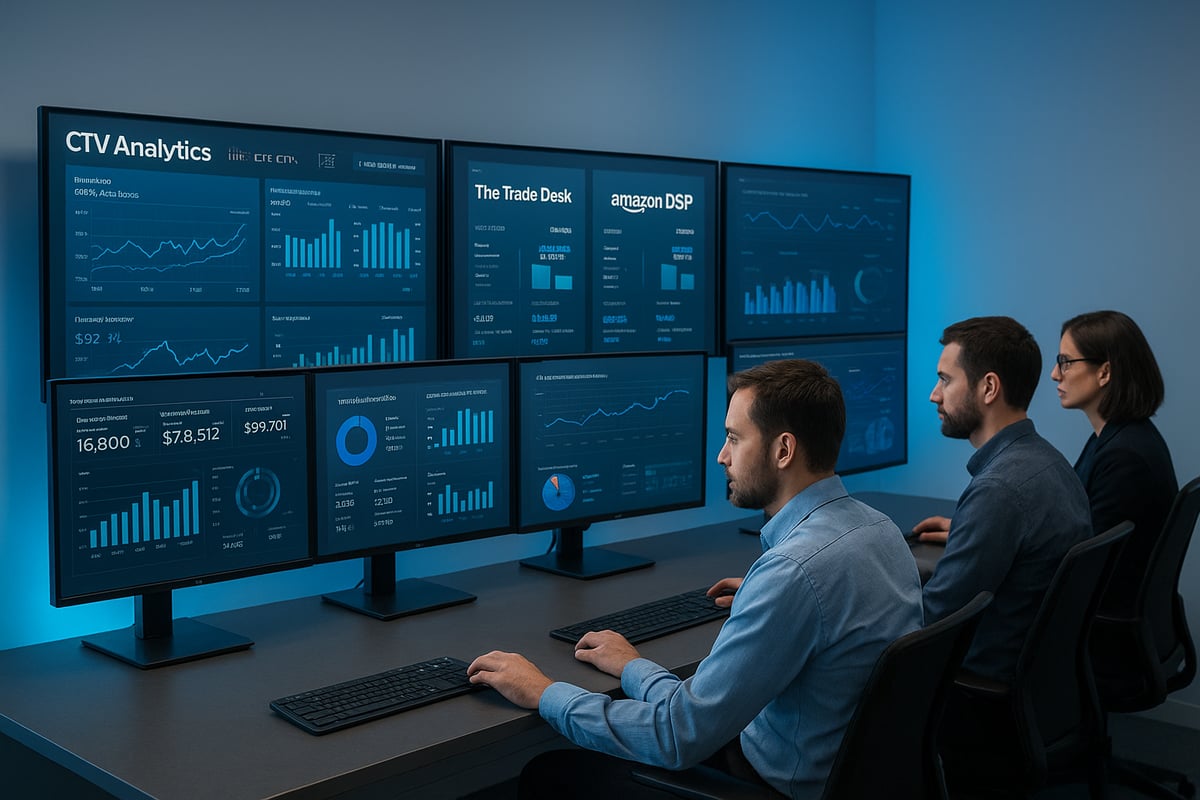
Fee transparency is a defining factor in the trade desk ctv decision process. The Trade Desk maintains a consistent 20 percent take rate, which is higher than some competitors. Amazon DSP, for example, often offers lower fees and incentives, especially on its owned and operated (O&O) inventory. Some new DSPs, like Pontiac and Viant, promote “zero-fee” or extremely low-fee models to attract cost-conscious buyers.
Below is a table summarizing the typical fee structures:
| Platform | Standard Take Rate | Fee Incentives/O&O Media |
|---|---|---|
| The Trade Desk | 20% | N/A |
| Amazon DSP | 1–5% | 0% (O&O), 1% (select) |
| Roku | 10–15% | Custom deals |
| New DSPs | 0–5% | Introductory offers |
Bundled data fees can further impact total campaign costs. Advertisers must weigh fee transparency against platform capabilities, as lower rates may come with reduced service or data granularity.
Inventory Quality and Access
Inventory access is another critical differentiator for the trade desk ctv. The Trade Desk secures premium supply through partnerships with Disney, Roku, and major retail media networks. This provides broad reach and high-quality inventory, including exclusive streaming environments.
Amazon leverages its O&O assets, such as Fire TV, Prime Video, and Twitch, to offer unique placements and bundled access. Roku also controls a significant share of CTV inventory, particularly within its own streaming ecosystem.
New DSPs often focus on emerging FAST channels and niche publishers, offering competitive pricing but sometimes less scale or brand safety. Advertisers must assess if the inventory aligns with their brand and audience objectives.
Data, Measurement, and Campaign Control
Data access and measurement capabilities set platforms apart in the trade desk ctv landscape. The Trade Desk invests heavily in real-time analytics, advanced audience targeting, and campaign optimization. Advertisers benefit from granular control and transparent reporting.
Amazon provides detailed post-campaign analytics via its Marketing Cloud, but the data may be restricted to Amazon’s environment. Closed ecosystems can limit third-party integration and cross-channel attribution.
Measurement standards are evolving. The Interactive Advertising Bureau (IAB) is urging the adoption of Conversion APIs and universal metrics to improve CTV campaign evaluation. For a deeper look at industry measurement initiatives, see IAB’s CTV ad measurement standards.
Strategic Implications for Advertisers
Choosing the right DSP is strategic. The trade desk ctv offers independence, premium inventory, and robust analytics, making it a strong choice for brands seeking transparency and control. Amazon DSP may appeal to those prioritizing cost efficiency or seeking exclusive access to O&O placements.
Advertisers should conduct A/B tests to compare cost, reach, and outcomes across platforms. Aligning platform selection with campaign objectives, audience reach, and brand values is essential for maximizing success.
For practical examples and strategies to elevate your CTV campaigns, explore CTV ads example and strategies.
Advanced CTV Optimization: Data, AI, and Future-Proofing Your Strategy
Connected TV is entering a new era where data, automation, and privacy are redefining campaign success. To excel with the trade desk ctv in 2026, advertisers must master both the technical and strategic aspects of optimization. Let’s explore how to future-proof your approach and maximize impact.
Leveraging AI and Machine Learning in CTV Campaigns
Artificial intelligence is transforming the trade desk ctv landscape by enabling smarter targeting and more efficient bidding. The Trade Desk has integrated advanced AI tools that analyze massive data sets in real time, identifying high-value audience clusters and optimizing spend.
Machine learning models drive predictive targeting, allowing campaigns to reach viewers with the highest propensity to engage. This results in lower acquisition costs and improved ROI. For example, AI-driven segmentation can uncover new, high-intent audience segments that were previously hidden.
As AI-powered ads driving media growth highlights, AI is accelerating the growth of global entertainment and media, making it essential for advertisers to leverage these capabilities within the trade desk ctv platform.
Data Privacy, Signal Loss, and Identity Resolution
The trade desk ctv ecosystem faces growing challenges around data privacy and signal loss. As third-party cookies disappear and streaming platforms tighten data sharing, advertisers must adopt new identity solutions.
The Trade Desk’s Unified ID 2.0 is a privacy-first framework that helps maintain addressability while respecting user consent. This solution allows for precise audience targeting even as traditional identifiers become scarce.
To navigate evolving regulations, it’s crucial to build strategies that prioritize first-party data and transparency. By doing so, brands using the trade desk ctv platform can maintain performance without risking compliance or consumer trust.
Cross-Channel Integration and Holistic Measurement
Achieving full-funnel impact in 2026 requires integrating CTV with digital, social, and retail channels. The trade desk ctv supports unified reporting dashboards that bring together data from various touchpoints for more accurate measurement.
Multi-touch attribution models enable advertisers to connect CTV ad exposure to downstream actions like in-store or ecommerce sales. This holistic approach helps marketers understand the true value of each channel and optimize accordingly.
By leveraging cross-channel insights, brands can allocate budget dynamically, ensuring that the trade desk ctv delivers the most efficient results across the entire media mix.
Testing, Experimentation, and Continuous Improvement
Optimization is an ongoing process. The trade desk ctv empowers agencies and advertisers to run A/B tests on creatives, inventory sources, and bidding strategies. This iterative approach uncovers what works best for your unique audience and objectives.
Best practices include:
- Testing different video ad lengths and formats
- Experimenting with premium versus open marketplace inventory
- Adjusting bid strategies in real time based on performance signals
For deeper insights and agency perspectives, review CTV ad agency insights for actionable strategies that complement your continuous improvement efforts on the trade desk ctv platform.
Preparing for the Next Wave: What’s Ahead for CTV and The Trade Desk
Looking forward, the trade desk ctv is poised to lead innovation as consumer behavior shifts and new streaming platforms emerge. Expect further advances in AI, global expansion, and deeper integration with retail media and data partners.
Advertisers should stay agile by monitoring trends, investing in flexible workflows, and prioritizing privacy-first solutions. The Trade Desk’s roadmap includes expanding its CTV operating system, enhancing analytics, and addressing signal integrity challenges.
By staying proactive and leveraging the full power of the trade desk ctv, marketers can future-proof their strategies and capitalize on the next wave of Connected TV growth.