
In 2026, dental practices face more competition than ever. The challenge is clear: how will you keep your chairs full using effective dental lead generation? This essential guide breaks down the most powerful strategies for attracting and converting high-quality patients in a changing digital landscape. You will discover a step-by-step, data-driven roadmap designed for real, sustainable patient growth. We cover foundational concepts, emerging digital trends, proven tactics, lead tracking, conversion optimization, data-driven decisions, and future-focused marketing. Ready for actionable insights that spark results? Dive in and transform your dental practice for the next era.
Understanding Dental Lead Generation in 2026
Dental lead generation is the engine that powers modern dental practice growth. In 2026, it has shifted far beyond simple advertising, becoming a sophisticated approach built on data, digital tools, and patient intent. To succeed, practices must understand how dental lead generation works, why it matters, and how each digital touchpoint shapes patient decisions.
Defining Dental Lead Generation Today
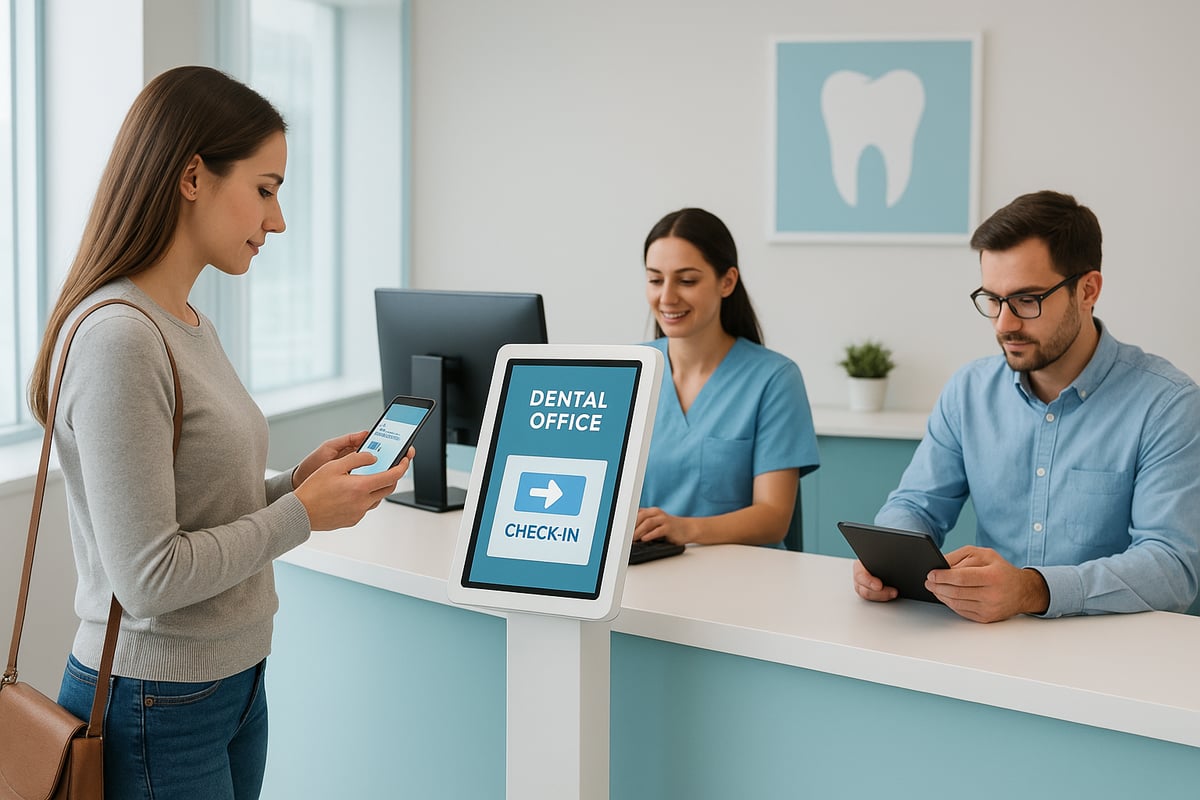
Dental lead generation now involves much more than traditional ads or word-of-mouth. It is a multi-channel, data-driven process focused on turning genuine interest into booked appointments. Unlike broad marketing, dental lead generation zeroes in on high-intent patients who are actively seeking services.
For example, rather than targeting everyone in the local area, a practice may focus on those searching for specific treatments like cosmetic veneers or emergency dental care. The goal is not just to generate inquiries, but to attract individuals who truly need your expertise. For a deeper dive into strategies for attracting high-quality leads, see these qualified lead generation methods.
Why Consistent Patient Flow Is Critical
A steady flow of new patients is essential for sustaining and growing a dental practice. Consistent dental lead generation supports financial stability, maximizes team productivity, and ensures equipment is well utilized.
Operationally, reliable patient acquisition allows practices to expand services and invest in new technology. According to industry data, practices with robust lead generation strategies see up to 30 percent higher revenue. Consistent patient flow also fosters loyalty and retention, forming the backbone of a thriving practice.
The Digital Shift in Patient Acquisition
Patient acquisition has moved decisively online. In 2026, dental lead generation relies on digital channels like Google search, online reviews, social media, and optimized practice websites.
A strong online presence is now non-negotiable. Over 80 percent of dental patients begin their search for care online, comparing providers based on reviews, location, and digital reputation. Each digital touchpoint, from a Google Business Profile to a Facebook post, can influence which practice a patient chooses.
The Patient Journey: From Search to Appointment
Today’s patient journey is rarely linear. Potential patients may search for a “dentist near me,” browse reviews, visit your website, and submit a contact form before ever calling your office.
Tracking every interaction is vital. By mapping the journey from initial search to appointment booking, dental practices can identify gaps and optimize each stage for conversion. Aligning dental lead generation strategy with the patient’s path ensures more inquiries turn into scheduled visits and long-term relationships.
Step 1: Building a High-Converting Online Presence
A powerful online presence is the cornerstone of dental lead generation in 2026. Patients expect seamless digital experiences, and practices that deliver are seeing more bookings, higher trust, and better retention. Here’s how you can build a foundation that attracts and converts high-quality leads.
Creating a User-Friendly Dental Website
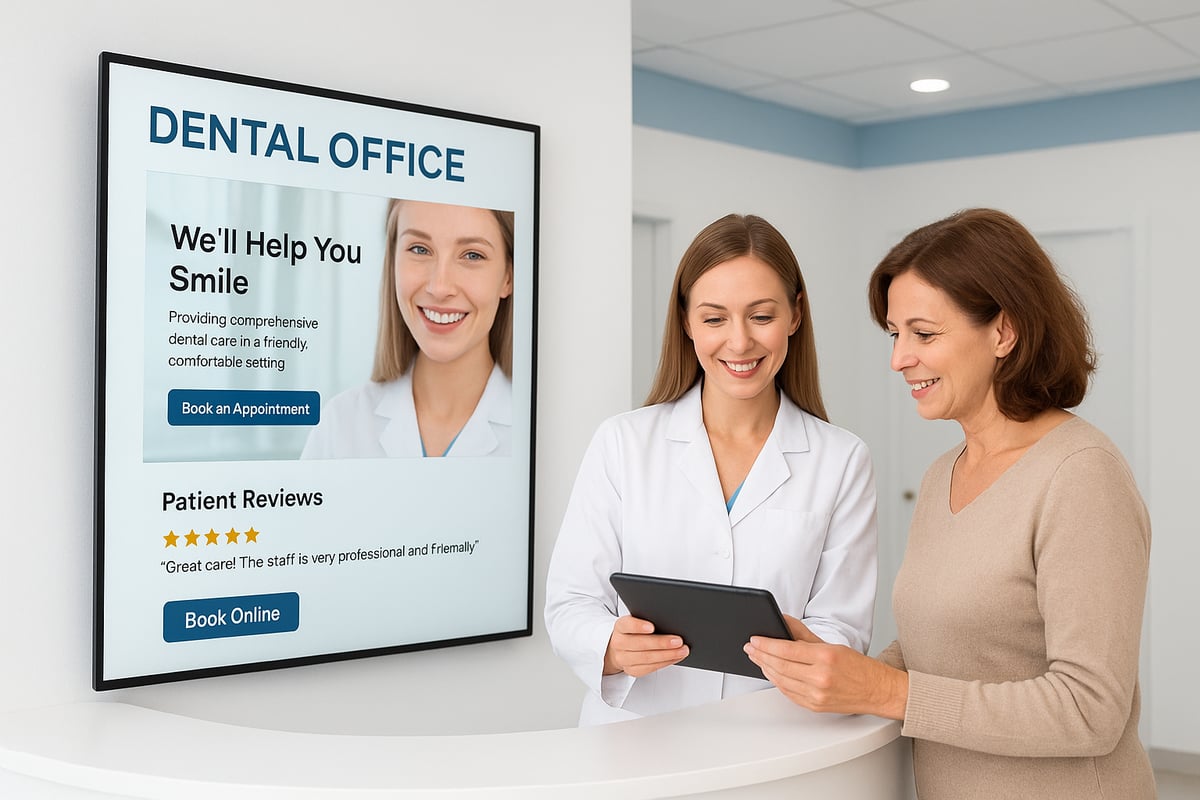
Your website is often the first impression prospective patients have of your practice. For effective dental lead generation, ensure your site loads quickly and displays beautifully on mobile devices. Easy navigation, clear service listings, and prominent calls-to-action (CTAs) guide visitors toward booking.
Features of a high-converting dental website:
- Mobile optimization and fast load times
- Clear menus and service descriptions
- CTAs on every page: “Book Now,” “Contact Us”
- Visual proof like before-and-after photos
Practices with optimized sites see over 30% higher conversion rates. For actionable guidance on turning site visitors into leads, explore these lead generation landing page tips.
Leveraging Patient Reviews & Social Proof
Social proof fuels trust and drives dental lead generation. Display Google reviews and third-party testimonials on your homepage and service pages. Before-and-after treatment photos and video testimonials add authenticity.
Did you know 70% of prospective patients read reviews before booking? Showcasing positive feedback directly influences patient choice and sets you apart from competitors.
Ways to showcase social proof:
- Google and Yelp review widgets
- Patient testimonial videos
- Photo galleries of real results
Implementing Online Booking & Contact Options
Today’s patients expect convenience. Offer multiple contact channels to maximize dental lead generation. Integrate online scheduling, short inquiry forms, live chat, and a click-to-call option. Keep forms brief—request only essential information to reduce friction.
Practices with online booking systems report higher appointment rates. The easier you make it to reach you, the more likely patients are to take action.
Consider these contact options:
- Real-time online scheduling
- Short, mobile-friendly forms
- Live chat for instant answers
Optimizing for Local SEO & Google Business Profile
Local SEO is a game-changer for dental lead generation. Ensure your name, address, and phone number (NAP) are consistent across all platforms. Encourage satisfied patients to leave reviews on Google and build out your Google Business Profile with photos, hours, and service details.
Using location-based keywords like “dentist near me” or specific neighborhoods helps you appear in searches when patients are ready to book.
Local SEO checklist:
- Consistent NAP on all listings
- Localized service pages
- Regularly updated Google Business Profile
Ensuring Accessibility & Compliance
Accessibility and compliance are non-negotiable in 2026. An ADA-compliant website ensures all users, including those with disabilities, can access your content. Secure patient data with HIPAA-compliant forms to build trust and avoid legal risks.
Practices that prioritize accessibility serve a wider audience and demonstrate genuine care.
Accessibility essentials:
- Alt text for all images
- High-contrast color schemes
- Secure, encrypted web forms
A high-converting online presence is the launchpad for dental lead generation success. By focusing on usability, trust, convenience, local visibility, and compliance, you are setting your practice up for sustainable growth.
Step 2: Attracting Dental Leads through Multi-Channel Marketing
A thriving dental practice in 2026 relies on more than just word-of-mouth. Today, dental lead generation demands a multi-channel marketing strategy that meets patients wherever they are online and offline. By leveraging a blend of search, social, content, email, and digital ads, dentists can consistently fill their appointment books with high-quality leads.

Search Engine Marketing (SEO & PPC)
Search engine marketing remains a cornerstone of dental lead generation. Investing in dental-specific SEO ensures your practice appears prominently when patients search for services like “emergency dentist” or “teeth whitening.” Pairing organic efforts with targeted Google Ads allows you to reach high-intent patients at the exact moment they are ready to book.
Utilize call tracking to measure which campaigns drive the most inquiries. For a comprehensive approach, consider proven healthcare lead generation strategies that combine search tactics with robust analytics. Practices that prioritize both SEO and PPC consistently report increased appointment requests and measurable ROI.
Social Media & Community Engagement
An active presence on platforms such as Facebook, Instagram, and TikTok is essential for modern dental lead generation. Sharing educational posts, patient success stories, and special promotions helps humanize your brand and foster trust.
Participate in local events and health fairs to extend your reach beyond the digital world. Community engagement not only boosts visibility but also positions your practice as a trusted neighborhood resource. Consistent interaction on social media translates into more inquiries and stronger patient relationships.
Content Marketing & Patient Education
Content marketing is a powerful engine for dental lead generation. Regularly publishing blogs, videos, and FAQs that address patient concerns—like “how to choose a dentist” or “what to expect from dental implants”—builds authority and answers questions before patients even pick up the phone.
High-value content nurtures leads throughout their decision-making journey and improves your search engine rankings. The more helpful and relevant your content, the more likely patients are to view your practice as the go-to choice for their dental needs.
Email Marketing & Automated Follow-Ups
Email marketing remains a direct and personal channel for dental lead generation. Send newsletters featuring oral health tips, appointment reminders, and educational series to keep your practice top-of-mind.
Automate follow-ups for inquiries and unbooked leads to ensure no opportunity slips through the cracks. Studies show that automated email campaigns can increase conversion rates by up to 20 percent, turning interested prospects into loyal patients.
Advanced Digital Advertising (Retargeting, Display, Video)
Advanced digital advertising techniques take dental lead generation to the next level. Retargeting ads remind website visitors to book an appointment, capturing leads who might otherwise be lost. Display and video ads expand brand awareness across relevant websites and platforms.
These campaigns reinforce your message, ensuring your practice stays front and center throughout the patient’s research process. Practices using multi-channel digital advertising consistently see higher conversion rates and a steady flow of new appointments.
Step 3: Mastering Lead Tracking and Attribution
Precise tracking and attribution are the backbone of modern dental lead generation. Without accurate data, practices risk losing high-value patients and wasting marketing budgets. By mastering these practices, dental teams can unlock powerful insights that fuel sustainable growth.
The Importance of Tracking Every Inquiry
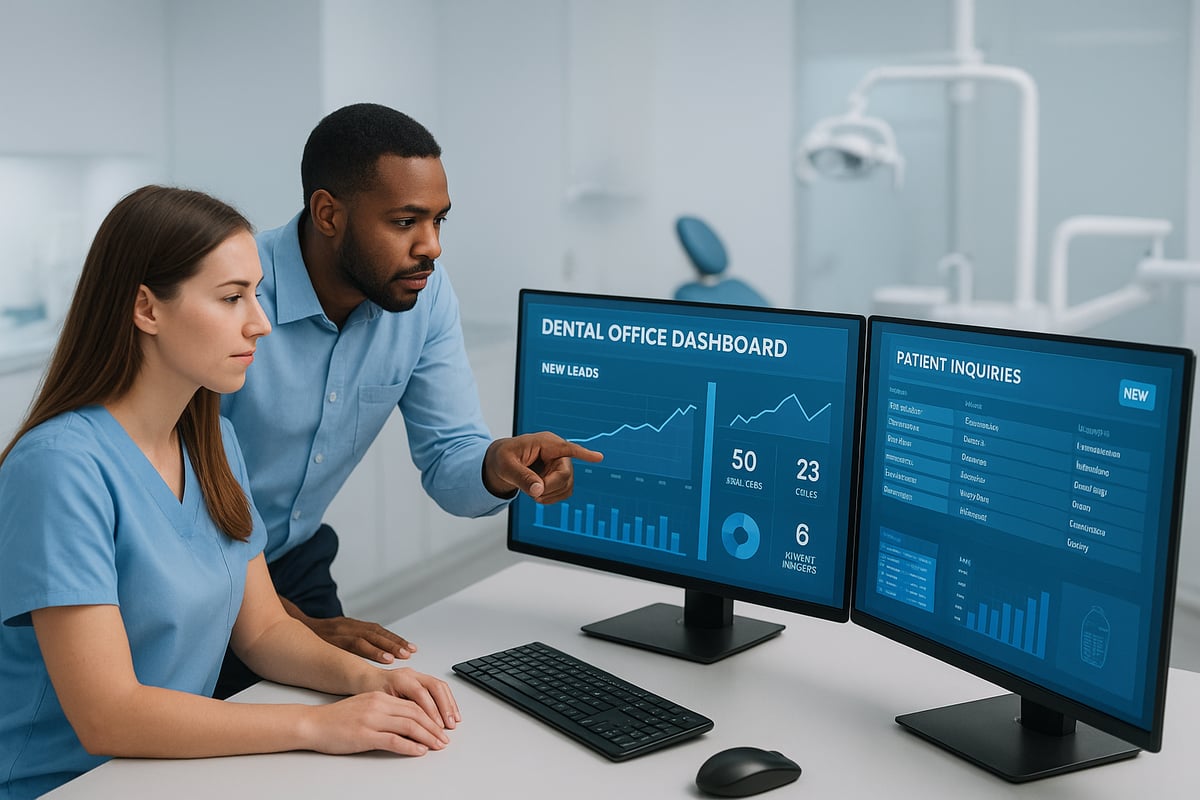
Every interaction with a potential patient matters in dental lead generation. Practices must log all calls, web forms, live chats, and social messages. This ensures no opportunity slips through the cracks.
Using a CRM or dedicated lead management software, you can centralize and organize every inquiry. This streamlines follow-up and enables your team to respond quickly. For example, a missed call or a delayed email can mean a lost patient. By tracking every touchpoint, you keep your pipeline full and maximize conversion opportunities.
Leveraging Call Tracking & Analytics
Call tracking is essential for understanding which marketing activities are driving results in dental lead generation. Assigning unique phone numbers to each campaign allows you to accurately attribute new patient calls to specific sources.
Analyzing call duration, topics discussed, and outcomes provides actionable insight. You can focus on channels that consistently deliver high-quality leads. According to Dental Marketing Statistics 2025, practices leveraging analytics and call tracking report improved appointment rates and stronger ROI. These tools help you make data-driven adjustments and ensure every marketing dollar works harder.
Monitoring Web Forms and Chat Interactions
Website forms and live chats are key entry points for dental lead generation. Integrating these tools with your CRM enables seamless tracking of every inquiry.
Monitor response times and follow-up rates closely. Research shows that practices responding within minutes see much higher conversion rates. Fast replies give patients confidence in your professionalism and reliability. Automated notifications can help your team act quickly and keep leads moving through the funnel.
Integrating Data Across Channels
Dental lead generation is rarely confined to a single channel. Patients often interact through a mix of online ads, social media, referral sources, and offline events. Integrating data from all these touchpoints provides a unified view of your patient journey.
Use platforms like Google Analytics and CRM integrations to bring together online and offline sources. This comprehensive approach helps you identify which combinations of channels deliver the most value. Practices that centralize their data are better positioned to optimize budgets and scale what works.
Using Insights to Refine Marketing Spend
Once you have robust tracking in place, use these insights to refine your dental lead generation strategy. Identify the top-performing channels and allocate your budget accordingly.
Cut underperforming campaigns and reinvest in proven sources. Focus on the marketing efforts that consistently bring in qualified patients. By making data-driven decisions, you ensure every dollar contributes to practice growth and sustained patient acquisition.
Step 4: Optimizing Lead Conversion for More Appointments
Converting leads into booked appointments is where the true value of dental lead generation is realized. Even with a steady stream of inquiries, missed follow-ups or slow responses can cause potential patients to slip away. Fine-tuning every stage of your conversion process is essential for maximizing growth, boosting revenue, and ensuring your marketing investment pays off.
Speed-to-Lead: Responding in Minutes, Not Hours
In today's competitive landscape, the speed at which you respond to new inquiries can determine your success in dental lead generation. Patients searching for a dentist often contact multiple practices and will choose the one that engages first.
Aim to respond to calls, web forms, and chats within five minutes. Practices that consistently reply in this window often double their appointment rates compared to slower responders. Automated acknowledgment messages can reassure patients that their inquiry is being handled, even outside business hours.
Quick responses demonstrate professionalism and a patient-first approach. By prioritizing speed-to-lead, your dental lead generation efforts will yield more appointments and higher patient satisfaction.
Implementing Effective Follow-Up Systems
Many leads require more than a single touchpoint before booking. Implementing a robust follow-up system is critical for dental lead generation, ensuring no inquiry is left behind.
Use a mix of calls, texts, and emails to reach out to unbooked leads. Set up reminders for your staff to check in with prospects who have not yet scheduled. Gentle nudges, such as a friendly text or a short call, can convert hesitant patients.
Automated follow-up sequences save time and standardize communication. Track which follow-up methods yield the best results, and refine your process accordingly. Consistent follow-up is a cornerstone of successful dental lead generation.
Streamlining the Appointment Booking Process
A seamless booking process removes friction from dental lead generation and increases your conversion rates. Complicated forms or long wait times can frustrate patients and cause them to abandon the process.
Keep online forms short, requesting only essential information. Train your front desk team to handle calls efficiently and provide clear answers. Offer online scheduling with real-time availability so patients can book at their convenience.
A streamlined process means fewer lost leads and a better overall patient experience. Make booking as easy as possible to convert more inquiries into confirmed appointments.
Personalization & Patient Experience
Personalization sets your practice apart in a crowded dental lead generation landscape. Tailor communications to each patient, using their name and referencing specific services they expressed interest in.
Send follow-up messages that address their unique needs, such as information about cosmetic procedures or emergency care. Provide relevant educational content to help them make informed decisions.
Personalized experiences build trust and increase the likelihood of booking. By focusing on patient preferences and demonstrating genuine care, your dental lead generation strategy will foster stronger relationships and higher conversion rates.
Training Front Desk & Sales Teams
Your front desk and sales teams are the bridge between dental lead generation and actual appointments. Well-trained staff can handle objections, answer questions confidently, and guide patients smoothly through the booking process.
Provide scripts for common inquiries, FAQs, and role-play scenarios to boost confidence and consistency. Regular training ensures your team stays updated on best practices and industry trends.
Industry data highlights that practices investing in team training and streamlined processes see higher case acceptance and growth, as noted in the 2025 Dental Industry Outlook. Empowering your staff is a powerful way to convert more leads and maximize your dental lead generation results.
Step 5: Data-Driven Decision Making for Dental Growth
In 2026, data-driven decision making is the heartbeat of successful dental lead generation. With competition rising and patient expectations evolving, dentists must track, analyze, and act on real performance data to grow their practices efficiently.
Measuring Conversion Rates and ROI
To grow your practice, you need to measure how effectively your dental lead generation efforts turn inquiries into booked appointments and loyal patients. Start by tracking two key metrics: your lead-to-appointment ratio and your appointment-to-patient ratio.
Use this simple ROI table as an example:
| Investment | New Patients | Cost per Patient | ROI |
|---|---|---|---|
| $1,000 | 10 | $100 | 100% |
Calculating cost per lead and return on investment keeps your dental lead generation transparent and results-focused. If you spend $1,000 and bring in 10 new patients, each at $200 in revenue, your ROI stands at 100 percent. Regularly reviewing these figures helps you stay on course for growth.
Identifying and Focusing on High-Performing Lead Sources
Not all marketing channels deliver the same results. Use analytics to pinpoint which sources bring in the most booked appointments. For example, track whether Google Ads, social media, or referral programs convert more leads into paying patients.
Shift your budget and attention to the channels that show the highest ROI. Trends in Dental Marketing Trends 2025 reveal that practices who focus on their best-performing channels see more sustainable growth. By monitoring your data, you ensure your dental lead generation stays efficient and effective.
Eliminating Inefficient Marketing Efforts
Regularly review your data to identify underperforming campaigns. If a social media ad garners lots of likes but leads to few appointments, consider reallocating that budget elsewhere. Inefficient marketing drains resources and can slow your growth.
Create a checklist for each campaign:
- Is the cost per lead within your target range?
- Are leads converting to appointments?
- Is patient quality high?
By cutting out what doesn’t work, you can reinvest in proven dental lead generation strategies that drive real results.
Using Data to Optimize & Scale
Leverage your data to test new ideas and scale what works. For instance, try A/B testing different ad headlines or landing pages. Measure which versions deliver more qualified leads.
Integrate insights from your CRM, call tracking, and website analytics to make informed decisions. Practices that focus on SEO for lead generation often see compounding results as they refine their digital approach. Data-driven optimization ensures your dental lead generation grows faster and more predictably.
Improving Decision-Making for Future Growth
Look beyond today’s numbers. Forecast future trends using your historical data, and set clear KPIs for ongoing improvement. For example, track monthly patient acquisition rates and set benchmarks for each quarter.
Data-driven dental lead generation helps practices adapt quickly to market changes. By making decisions based on facts, not guesswork, you lay the foundation for sustainable, long-term growth.
The Future of Dental Lead Generation: Trends and Innovations
Dental lead generation is evolving rapidly as technology transforms patient expectations and marketing methods. To stay competitive in 2026, practices must monitor emerging trends and adopt innovations that keep them ahead of the curve.
AI and Automation in Dental Marketing
Artificial intelligence is revolutionizing dental lead generation by automating patient engagement and follow-up. AI chatbots can answer questions, book appointments, and qualify leads around the clock. Predictive analytics help identify high-value prospects and optimize campaigns in real time.
Practices are adopting automated workflows for appointment reminders, follow-ups, and targeted messages. This not only saves staff time but also increases conversion rates by ensuring no lead is overlooked. According to recent Digital Transformation in Dental Industry statistics, more clinics are investing in advanced digital tools to improve efficiency and patient satisfaction.
Embracing AI and automation ensures your dental lead generation strategy remains effective and scalable.
Voice Search and Conversational Interfaces
The rise of voice assistants is changing how patients find dental services. More than 30 percent of local searches are now voice based, with queries like "dentist near me" or "best teeth cleaning nearby" becoming common.
Optimizing for voice search requires content that mirrors natural language and answers patients' questions directly. Practices should update website FAQs and service pages to include conversational phrases, making it easier for voice assistants to surface their listings.
Integrating conversational interfaces, such as smart chatbots and voice-enabled web tools, can further streamline dental lead generation by capturing leads at the moment of intent.
Personalization and Hyper-Targeting
Personalization has become a cornerstone of modern dental lead generation. By leveraging patient data, practices can deliver tailored ads, reminders, and content that speak directly to individual needs.
Hyper-targeting allows you to reach specific segments, such as patients interested in cosmetic dentistry or families seeking pediatric care. Retargeting ads based on past website visits, location, or service interest ensures that marketing efforts are highly relevant.
This approach not only increases engagement but also improves conversion rates, making dental lead generation more efficient and cost effective.
Emphasis on Trust, Transparency, and Patient Experience
Building trust is essential for sustainable dental lead generation. Patients expect transparent pricing, honest reviews, and clear communication at every touchpoint.
Display genuine testimonials, offer upfront information about costs, and ensure your digital presence reflects your commitment to patient care. Practices that prioritize seamless, patient-centric experiences see higher retention and more referrals.
Focusing on trust and transparency will set your dental lead generation efforts apart, helping you attract and keep loyal patients in an increasingly competitive market.