
Connected TV is transforming how audiences and brands engage, with rapid growth projected as we approach 2026. Marketers are seizing the opportunity to reach consumers where they stream, prompting a paradigm shift in TV advertising. The trade desk connected tv empowers agencies, brands, and marketers to thrive in this digital-first landscape by unlocking innovative strategies, powerful data, and measurable results. In this guide, you will learn the CTV essentials, discover The Trade Desk’s platform advantages, explore targeting best practices, understand AI-driven optimization, and prepare for future trends. Ready to unlock your connected TV success? Let’s dive in.
Understanding Connected TV in 2026
Connected TV (CTV) is reshaping the advertising landscape as we approach 2026. Traditional linear TV is declining rapidly, replaced by streaming platforms that deliver premium content directly to smart TVs and over-the-top (OTT) devices. This shift is fragmenting viewership, changing how audiences consume media, and creating new opportunities for marketers using the trade desk connected tv solutions.
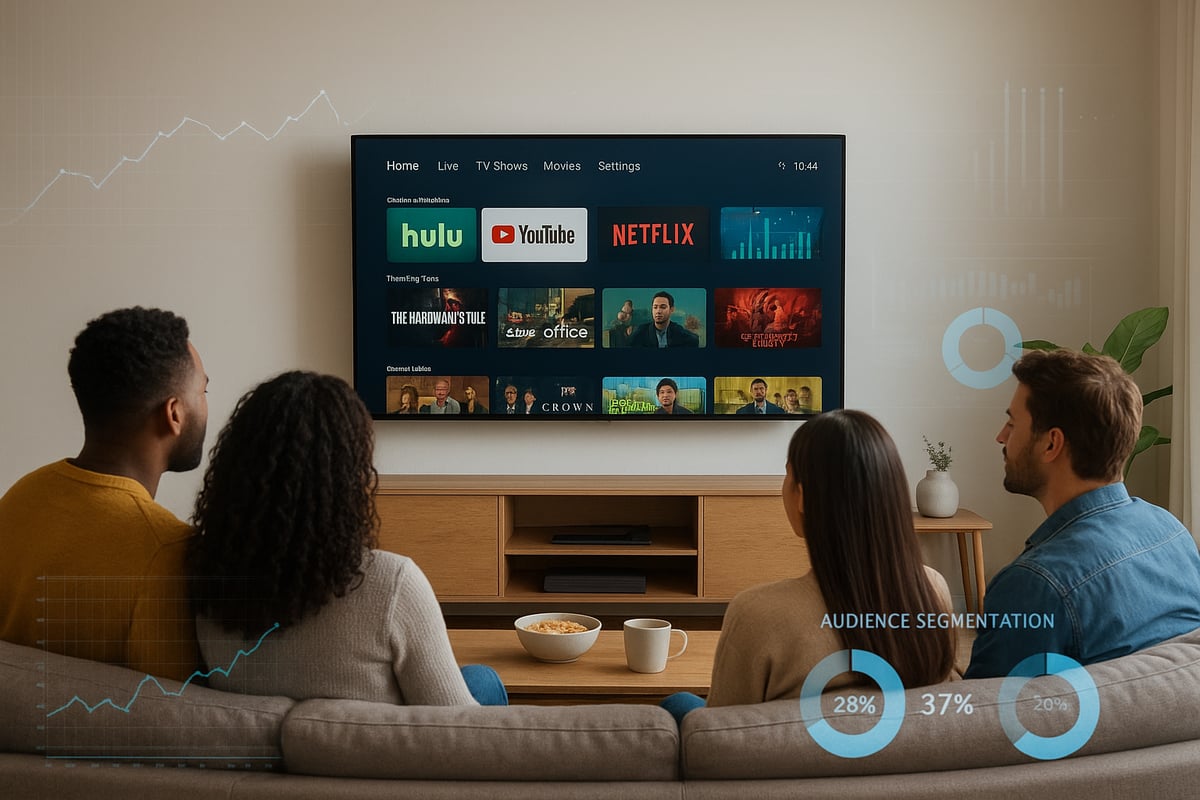
The Evolution of TV: From Linear to Connected
The television landscape has undergone a dramatic transformation over the past decade. Linear TV, once the dominant medium, is seeing a steady decline as consumers migrate to streaming services. Connected TV refers to the experience of streaming premium content through smart TVs, streaming sticks, and gaming consoles.
Viewers are no longer tied to traditional cable schedules. Instead, they access content on demand, across multiple devices. According to The Trade Desk, CTV now reaches over 185 million households globally. Cord-cutters and cord-nevers—those who have never subscribed to cable—make up a significant portion of this audience. For brands, the trade desk connected tv platform offers a scalable way to reach these fragmented viewers.
CTV vs. OTT: Clarifying the Landscape
It's essential to distinguish between CTV and OTT when planning campaigns. CTV specifically refers to internet-connected devices that deliver streaming content to a television screen, such as smart TVs, Roku, and Apple TV. OTT, or Over-the-Top, describes the delivery of video content via the internet, regardless of device.
Ad placements vary by platform. For example, an ad on Hulu viewed through a Roku stick may have different targeting and measurement options than the same ad on a smart TV app. Apps, streaming sticks, and built-in TV platforms all play a role in the ecosystem. Marketers leveraging the trade desk connected tv can navigate these differences to maximize campaign effectiveness. For a deeper dive into these solutions, explore The Trade Desk CTV platform guide.
The 2026 CTV Audience: Demographics & Behaviors
By 2026, the CTV audience will be more diverse and data-driven than ever. Research from The Trade Desk and Appinio (2024) reveals that 38% of viewers cite cost as the main reason for unsubscribing from streaming services. This trend is fueling the growth of ad-supported streaming, which appeals to budget-conscious consumers.
Key demographic shifts include:
- Rising adoption among Gen Z and Millennials
- Increasing multicultural and multilingual households
- Multiscreen usage and on-demand viewing habits
Audiences are engaging with CTV across live events, binge-watching sessions, and even while multitasking. With the trade desk connected tv, advertisers can harness these insights to deliver relevant, timely messages.
Key Growth Drivers for CTV Adoption
Several factors are driving the rapid adoption of CTV worldwide. Improved broadband access and affordable smart devices are making streaming more accessible to all households. Premium content, such as live sports and original series, is increasingly available on CTV platforms.
Advancements in ad technology, including precise targeting and unified measurement, are empowering brands to run more effective campaigns. Advertisers are seeking unified strategies that bridge the gap between traditional TV and digital channels. By leveraging the trade desk connected tv, marketers can tap into these growth drivers and stay ahead of evolving consumer behavior.
Why The Trade Desk is the CTV Platform of Choice
As the CTV landscape becomes more complex, advertisers need a platform that delivers scale, transparency, and measurable results. The Trade Desk Connected TV stands out as the premier choice for marketers looking to drive impact in a digital-first era.
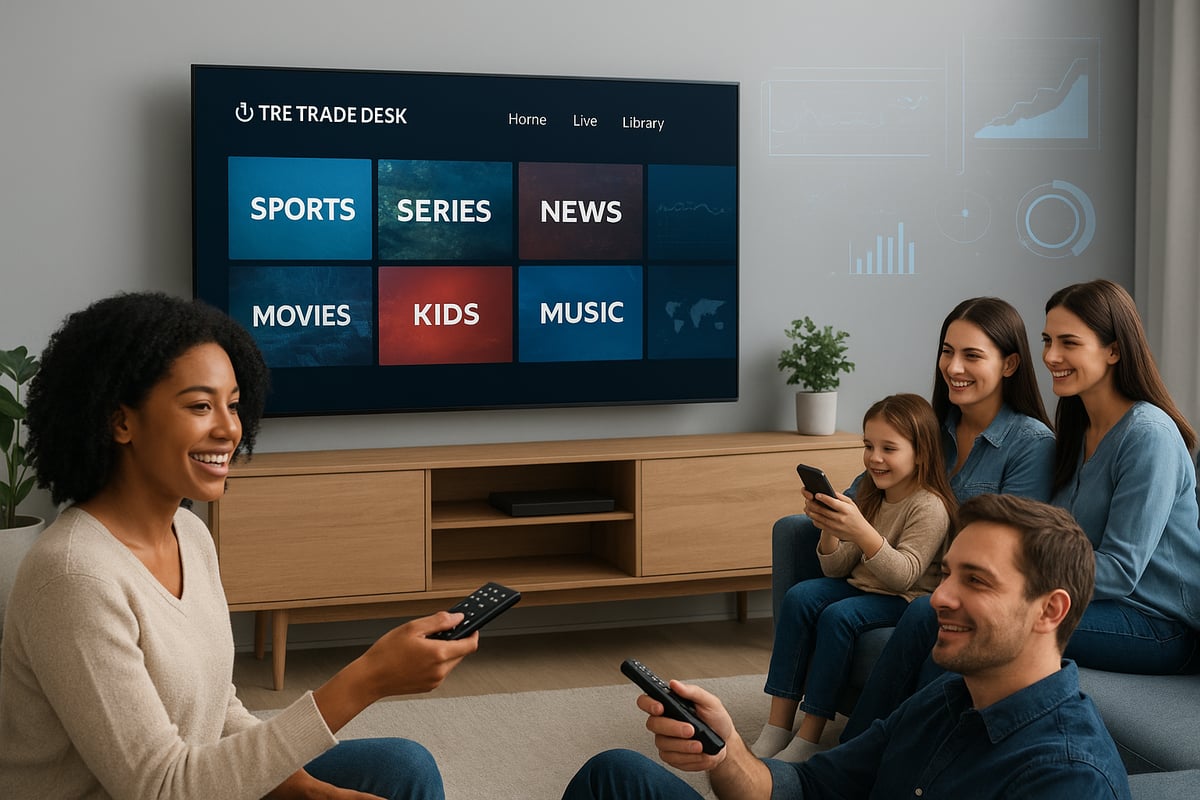
Independent and Omnichannel by Design
The Trade Desk Connected TV platform is built as an independent, omnichannel demand-side solution. Unlike walled gardens that may prioritize their own inventory, The Trade Desk focuses solely on advertiser success. This independence means no conflict with content or supply, empowering brands with unbiased access to the largest premium CTV inventory marketplace.
Through strong relationships with top networks and content providers, advertisers can reach audiences across major platforms and live events. For example, The Trade Desk’s CTV Partnerships have expanded access to leading OTT platforms, further enhancing programmatic capabilities. This unified, omnichannel approach ensures brands maximize reach and efficiency with The Trade Desk Connected TV.
Advanced Data-Driven Targeting Capabilities
Precision targeting is at the core of The Trade Desk Connected TV’s value. Marketers can leverage both first- and third-party data to build highly specific audience segments. Beyond basic demographics, the platform enables behavioral, contextual, and intent-based targeting, allowing brands to reach consumers when and where it matters most.
A notable example is Hitachi, which used The Trade Desk Connected TV to activate an omnichannel, data-driven strategy. This effort resulted in a 30 percent sales lift, demonstrating the platform’s ability to drive measurable outcomes through advanced segmentation and targeting. The flexibility and depth of targeting capabilities set The Trade Desk apart in the evolving CTV space.
Premium Inventory and Brand Safety
Access to high-quality content is critical for brand success. The Trade Desk Connected TV platform offers one of the largest selections of premium inventory, including major networks, live sports, and high-profile events. Marketplace partners such as Index Exchange, Tubi, Haystack, and FreeWheel ensure a wide variety of safe, reputable placements for advertisers.
Brand safety and transparency are non-negotiable. The platform employs rigorous standards and fraud prevention tools to protect advertisers. With The Trade Desk Connected TV, brands can confidently invest in CTV without worrying about quality or integrity, ensuring their ads appear in trusted environments.
Unified Measurement and Transparent Reporting
Measuring performance across digital and traditional TV is essential for proving value. The Trade Desk Connected TV provides unified measurement solutions, covering metrics like GRP, reach, frequency, and direct sales impact. Sophisticated reporting tools give marketers real-time insights, making it easier to optimize campaigns for maximum ROI.
For instance, Old Navy used The Trade Desk Connected TV to achieve a 20 percent incremental reach with live sports, supported by transparent reporting and unified metrics. Advertisers benefit from clarity and actionable data, enabling ongoing campaign refinement and success in the CTV ecosystem.
Building High-Performance CTV Campaigns on The Trade Desk
Launching a high-performance campaign on the trade desk connected tv platform requires a precise, stepwise approach. By following best practices for targeting, creative, inventory, frequency, measurement, and AI optimization, marketers can achieve measurable results and maximize return on investment.
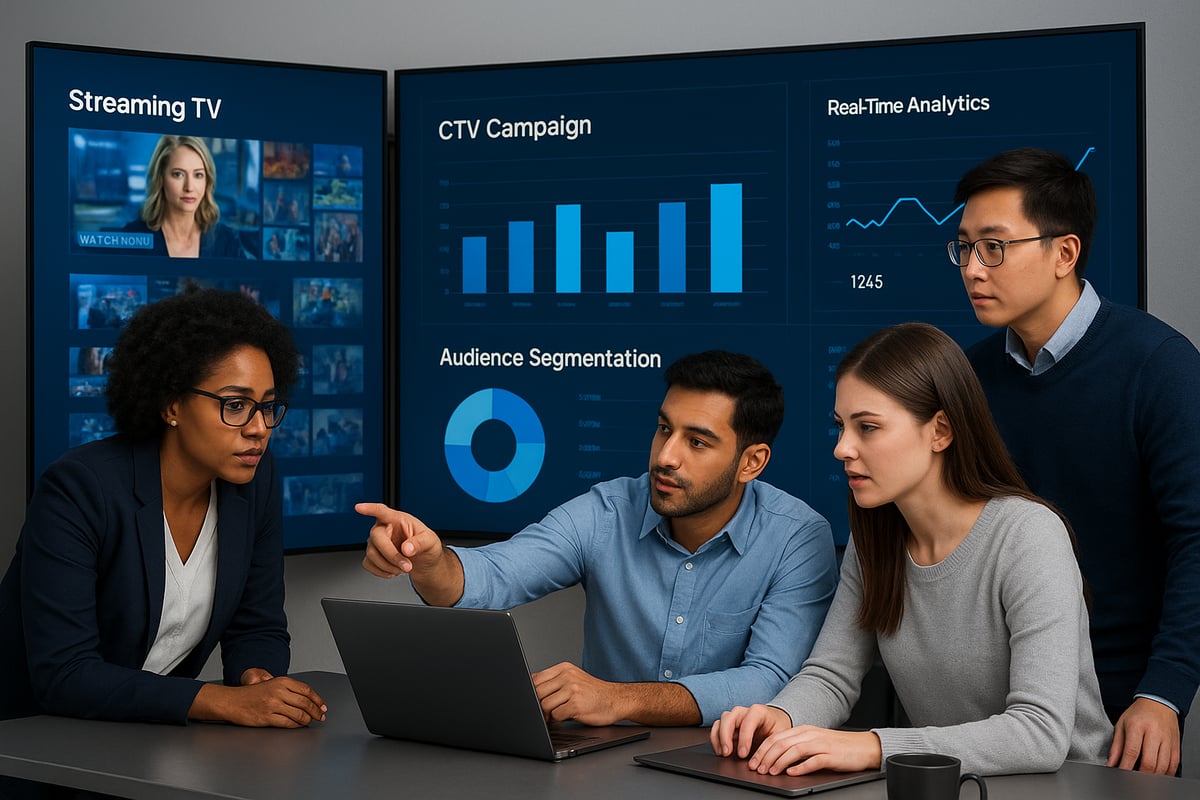
Step 1: Audience Targeting & Segmentation
Success on the trade desk connected tv starts with precise audience targeting. Marketers can use robust first- and third-party data to build segments that reach the right viewers. Integrating CRM data enables custom audiences, such as past purchasers or high-value prospects.
For instance, brands can create segments to reach light TV viewers or cord-cutters who are less likely to see ads on traditional television. This incremental reach is essential for optimizing campaign efficiency and expanding brand exposure.
- Leverage behavioral and contextual data
- Use lookalike modeling for new audience discovery
- Update segments based on campaign performance
A targeted approach ensures every impression on the trade desk connected tv platform drives value and relevance.
Step 2: Creative Strategy for CTV
Creative execution is pivotal for campaign success on the trade desk connected tv. Large screens and a living room environment demand high-impact visuals and concise messaging. Marketers can choose from pre-roll, mid-roll, interactive, and even shoppable ad formats to engage viewers.
Tailoring creative for CTV means adapting assets for attention, clarity, and memorability. For inspiration and practical ideas, review CTV advertising examples and strategies that showcase proven creative approaches for the trade desk connected tv environment.
- Use clear calls-to-action
- Optimize visuals for TV screens
- Test interactive elements to boost engagement
Creative innovation ensures your brand stands out and resonates with CTV audiences.
Step 3: Inventory Selection and Bidding
Selecting premium inventory partners is a cornerstone of effective campaigns on the trade desk connected tv. Marketers can access open auctions, private marketplaces, or programmatic guaranteed deals, each offering distinct advantages for reach and control.
Prioritize inventory from trusted networks and high-quality streaming platforms. For major events or high-demand content, consider programmatic guaranteed deals to secure placements. Efficient bidding strategies ensure budget is allocated to the most impactful impressions across the trade desk connected tv supply.
- Evaluate inventory quality and brand alignment
- Adjust bids based on real-time performance
- Balance open and private marketplace access
Smart inventory choices drive both reach and cost efficiency.
Step 4: Frequency and Reach Management
Managing frequency and reach is critical for a positive viewer experience on the trade desk connected tv. Set frequency caps at the platform level to prevent overexposure and maximize incremental reach. Balance is key: too many impressions may cause fatigue, while too few can limit campaign impact.
Use the trade desk connected tv tools to monitor delivery across networks, devices, and channels. This unified approach helps marketers optimize spend, avoid wasted impressions, and maintain a favorable brand perception.
- Implement cross-device frequency caps
- Monitor unique reach and overlap
- Adjust limits based on audience response
Effective frequency management protects both budget and brand reputation.
Step 5: Measurement, Attribution, and Optimization
Unified measurement enables marketers to track performance across digital and TV metrics on the trade desk connected tv platform. Set clear objectives—such as reach, frequency, or sales lift—and configure reporting dashboards for real-time insights.
Incrementality testing is essential for proving the unique value of CTV. By comparing exposed and unexposed groups, brands can attribute outcomes directly to the trade desk connected tv campaigns and refine tactics accordingly.
- Leverage real-time analytics
- Conduct incrementality and lift studies
- Optimize based on actionable data
Transparent measurement unlocks continuous improvement and ROI validation.
Step 6: AI and Automation with The Trade Desk
AI-driven optimization is a defining advantage of the trade desk connected tv. The platform’s Koa AI analyzes vast datasets to prioritize spend toward high-value audiences and automate bidding for peak efficiency.
Marketers benefit from automated budget allocation, dynamic creative optimization, and predictive targeting that adapts as campaigns run. This intelligent approach ensures resources are invested where they generate the most impact on the trade desk connected tv.
- Enable automated bidding strategies
- Use AI-powered audience recommendations
- Monitor and refine with machine learning insights
Harnessing AI and automation drives smarter, faster, and more effective CTV campaigns.
Integrating CTV into Your Omnichannel Marketing Strategy
Connected TV is no longer a standalone tactic—it is a vital part of a unified marketing approach. As brands pivot to omnichannel strategies, the trade desk connected tv enables seamless experiences that reach consumers across every touchpoint. This section explores how to integrate CTV into a holistic strategy, ensuring your campaigns are measurable, efficient, and future ready.
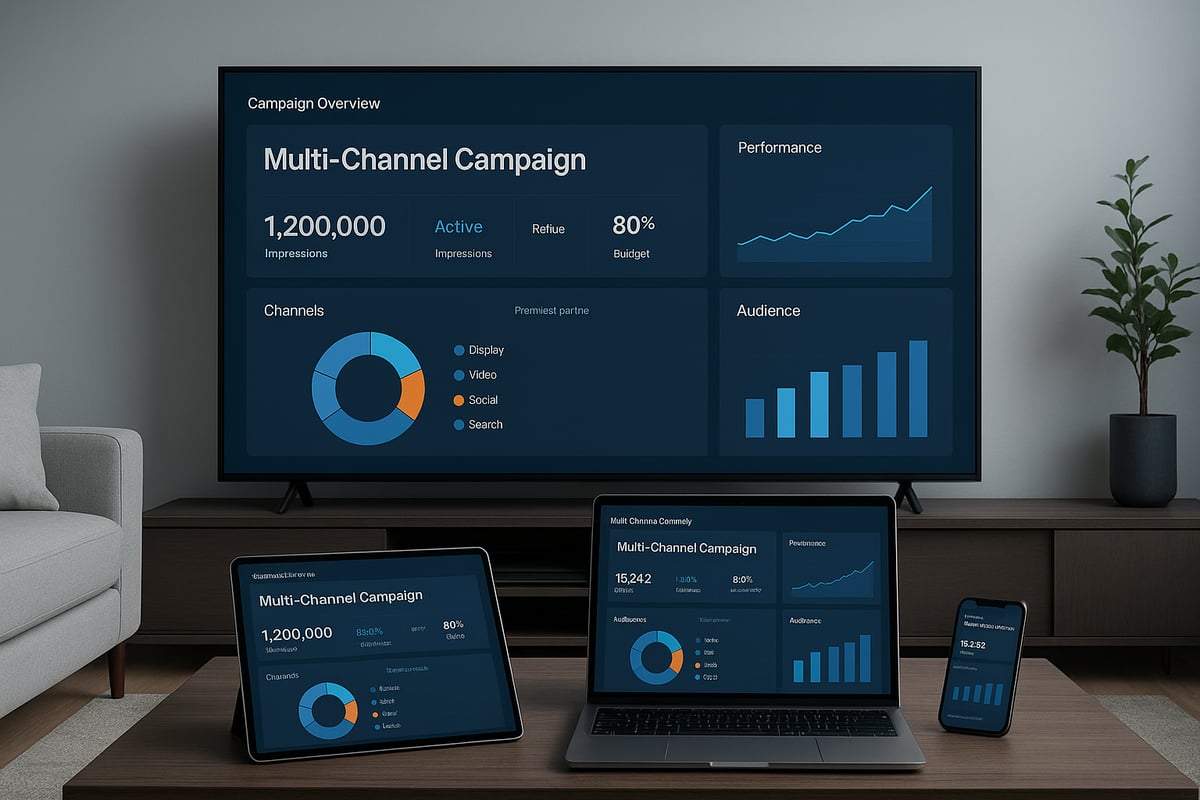
The Power of Omnichannel: Unifying Consumer Journeys
Integrating the trade desk connected tv into your omnichannel strategy allows brands to orchestrate unified consumer journeys. By connecting CTV with audio, display, mobile, and digital out of home, you ensure your message is consistent and memorable. This unified approach increases brand recall and drives higher engagement.
Consider these key steps:
- Align creative messaging across all channels
- Use data to inform the timing and sequencing of ads
- Coordinate CTV campaigns with other digital channels for holistic reach
For brands seeking expert guidance, exploring CTV ad agency services can simplify the process and maximize results. Ultimately, a connected strategy is essential for breaking through today’s fragmented media landscape.
Cross-Device Identity and Frequency Management
One of the core strengths of the trade desk connected tv is its advanced cross-device identity resolution. Utilizing solutions like Unified ID 2.0, marketers can manage reach and frequency across TVs, smartphones, tablets, and desktops. This ensures that consumers see the right message, at the right time, no matter the device.
To manage this effectively:
- Implement privacy safe identity resolution tools
- Set frequency caps to prevent overexposure
- Monitor user journeys for seamless cross channel experiences
This approach reduces wasted impressions and increases campaign efficiency. With the trade desk connected tv, brands maintain control while delivering consistent, relevant messaging.
Sequential Messaging and Funnel Progression
With the trade desk connected tv, marketers can design campaigns that move viewers through the marketing funnel. Sequential messaging starts with awareness on CTV, then retargets engaged audiences with display or social ads to drive action.
A typical funnel might include:
- Awareness: Engaging viewers with high impact CTV ads
- Consideration: Following up with display or video on mobile and desktop
- Conversion: Retargeting with search or direct response creative
This strategy ensures every impression has purpose. By leveraging the trade desk connected tv, brands can nurture audiences from first exposure to conversion, maximizing return on ad spend.
Measurement of Omnichannel Impact
Accurate measurement is vital for optimizing omnichannel campaigns. The trade desk connected tv provides transparent reporting, unified metrics, and advanced attribution models that track both online and offline outcomes.
Key best practices include:
- Setting up cross channel attribution to connect CTV with other touchpoints
- Tracking incremental sales, appointments, or store visits
- Using real time dashboards for actionable insights
With these tools, brands can prove the value of their investment and refine strategies for even greater impact. The trade desk connected tv makes it possible to measure, optimize, and scale omnichannel success.
Future Trends and Innovations: Winning in CTV Beyond 2026
As we look past 2026, the trade desk connected tv landscape is set for remarkable transformation. Marketers must anticipate shifts in consumer behavior, technology, and advertising models to stay competitive. Let’s explore the trends shaping the future of CTV and how brands can position themselves for ongoing success.
The Rise of Ad-Supported Streaming Models
Ad-supported streaming is rapidly gaining traction within the trade desk connected tv ecosystem. Viewers continue to prioritize cost savings, driving growth of FAST (Free Ad-Supported Streaming TV) and hybrid subscription models. As more households embrace ad-supported options, advertisers benefit from expanded inventory and new opportunities to reach cost-conscious audiences.
Gen Z and millennial viewers are particularly receptive to these models, valuing flexibility and affordability. The increase in ad-supported viewing also enables marketers to deliver unified campaigns that bridge traditional TV and digital. Brands leveraging the trade desk connected tv platform can tap into this trend for scalable reach and measurable outcomes.
Innovations in CTV Ad Formats and Interactivity
The next era of the trade desk connected tv will be defined by creative innovation. Shoppable TV experiences, interactive overlays, and QR code-enabled ads are transforming how viewers engage with brands. Advertisers can now capture attention during live sports or exclusive events, driving real-time engagement and direct response.
Standardization is also advancing. The IAB Tech Lab’s CTV Ad Portfolio Release highlights efforts to streamline programmatic CTV and expand available formats. This evolution empowers brands on the trade desk connected tv to experiment with new creative, test engagement strategies, and maximize campaign impact.
AI-Driven Personalization and Predictive Targeting
Artificial intelligence is revolutionizing personalization on the trade desk connected tv. AI-powered platforms analyze massive data sets to predict audience intent, automate creative optimization, and refine targeting strategies in real time. By understanding nuanced viewer behaviors, marketers can deliver relevant messages that increase engagement and drive conversion.
Predictive analytics also enhance media planning, ensuring budgets are allocated to the highest-value opportunities. The trade desk connected tv leverages AI tools like Koa and the Kokai platform, enabling brands to stay ahead of consumer trends and achieve superior results through smarter, data-driven decisions.
The Expanding Role of Retail Media and Data Partnerships
Retail media and data partnerships are unlocking new frontiers for the trade desk connected tv. By integrating retail purchase data, brands can achieve closed-loop attribution, connecting ad exposure to in-store or online sales. This capability is especially valuable for CPG, healthcare, and local advertisers seeking measurable ROI.
Major retailers and data providers now collaborate with CTV platforms, enriching targeting and measurement. As these partnerships grow, brands using the trade desk connected tv gain access to deeper insights and advanced audience segmentation, ensuring every campaign is both efficient and effective.
Case Studies: Real-World Success on The Trade Desk CTV
Real-world success stories illustrate how brands are harnessing the power of the trade desk connected tv to achieve tangible results. Below, we explore how four leading advertisers leveraged unique strategies to drive reach, efficiency, and measurable impact on the platform.
Old Navy: Expanding Reach with Live Sports
Old Navy set out to reach new audiences with the trade desk connected tv by tapping into live sports inventory. By excluding users already reached through programmatic guaranteed deals, their team unlocked 1.2 million incremental households. This approach delivered a remarkable 70 percent reduction in cost per unique household compared to traditional TV.
The campaign’s precision was possible thanks to advanced measurement tools, including EDO and The Trade Desk’s CTV Measurement Integration, which ensured every impression counted toward incremental reach. Old Navy’s example proves that the trade desk connected tv empowers brands to maximize both efficiency and scale.
Pinnacle: Channel Mix Optimization and Cost Reduction
Pinnacle’s marketing team sought to optimize their channel mix and drive down costs. By leveraging the trade desk connected tv, they achieved a 32 percent reduction in spend over a single quarter. Data-driven decision-making allowed Pinnacle to allocate budgets dynamically, focusing on the highest performing placements.
Key tactics included automated bidding and unified reporting, which enabled real-time adjustments across the campaign. With the trade desk connected tv, Pinnacle demonstrated that precise targeting and cost control are possible in a complex streaming landscape.
Hitachi: Sales Lift Through Omnichannel CTV
Hitachi used an omnichannel approach with the trade desk connected tv to connect TV and digital media for measurable sales impact. By integrating data-driven targeting and unified attribution, Hitachi saw a 30 percent sales uplift. Their strategy included coordinated messaging across devices and channels, reaching consumers wherever they engaged.
Unified measurement was crucial, ensuring that each touchpoint contributed to overall ROI. The trade desk connected tv platform’s cross-channel capabilities enabled Hitachi to prove the value of connected TV in driving real business outcomes.
Cetaphil: Gen Z Engagement via AI-Powered Creative
Cetaphil aimed to boost brand consideration among Gen Z viewers. Using AI-driven creative within the trade desk connected tv environment, they launched a “Social CTV” campaign that delivered a 33 percent lift in brand consideration. Interactive and shoppable ad formats captured attention on large screens and mobile devices alike.
For a deeper dive into successful creative approaches, see these CTV ads example breakdowns. Cetaphil’s campaign highlights how the trade desk connected tv enables brands to innovate and connect with hard-to-reach audiences using advanced creative strategies.
Navigating Challenges and Maximizing ROI in CTV Advertising
Connected TV advertising offers immense potential, but marketers face a rapidly evolving landscape. To maximize ROI on the trade desk connected tv, you must address fragmentation, safeguard your brand, manage costs, and adapt to new technologies. Let us explore how to overcome these challenges and ensure campaign success.
Overcoming Fragmentation and Inventory Complexity
The CTV ecosystem is fragmented, with viewers spread across numerous platforms, devices, and apps. This fragmentation complicates campaign planning and makes it difficult to achieve scale efficiently. Recent data from Comscore’s 2025 State of Streaming Report highlights a 43 percent surge in hours spent on major ad-supported streaming services, underscoring the need for unified access.
The trade desk connected tv platform streamlines this process by aggregating premium inventory from top networks and apps. Marketers can reach cord-cutters and cord-nevers without juggling multiple buying platforms. With centralized access, you can maintain consistency and optimize reach across a diverse CTV landscape.
Addressing Ad Fraud and Ensuring Brand Safety
As CTV spend grows, so do concerns about ad fraud and brand safety. Invalid traffic, spoofed inventory, and misrepresented impressions can erode trust and waste budgets. The trade desk connected tv tackles these issues with robust verification tools, supply path optimization, and partnerships with trusted inventory sources.
Brand safety measures include pre-bid filters, real-time monitoring, and transparent reporting. You can confidently place ads in premium, fraud-free environments. This focus on integrity helps protect your brand while ensuring your message reaches genuine viewers.
Managing Costs and Proving Incremental Value
CTV CPMs can be higher than traditional digital channels, making cost control essential. The trade desk connected tv enables smarter spending through frequency capping, data-driven targeting, and real-time optimization. By focusing on incremental reach, advertisers can avoid wasting impressions on already-exposed audiences.
Incrementality testing is key for demonstrating the value of CTV. Marketers can compare exposed and control groups to measure lift in awareness, engagement, or sales. This approach proves ROI and supports more effective budget allocation.
Staying Ahead with Technology and Data Privacy
Privacy regulations and evolving consumer expectations are reshaping the CTV landscape. The trade desk connected tv addresses these changes with privacy-safe solutions like Unified ID 2.0, which enables targeting without compromising personal data. Staying compliant is vital for long-term success.
Technology is also advancing rapidly. The platform continuously updates measurement standards, identity solutions, and optimization tools. By leveraging these innovations, marketers can future-proof their strategies and ensure continued growth.