
In 2026, the pressure on lead generation specialists to deliver high-quality leads is at an all-time high. The digital landscape is saturated, making it harder than ever to stand out and capture buyer attention.
This guide is designed to empower lead generation specialists with actionable strategies, the latest technology, and proven frameworks for scalable, predictable growth. You will discover how the role is evolving and why mastering new tools and personalization techniques is essential.
Explore data-driven tactics, multichannel outreach, automation trends, and practical steps to build a high-converting lead engine. Ready to elevate your results? Dive in and transform your approach for measurable, sustainable success.
The Evolving Role of Lead Generation Specialists in 2026
The role of lead generation specialists is undergoing rapid transformation as we move into 2026. No longer confined to the boundaries of appointment setting or basic outreach, these professionals are central to driving predictable growth and cross-team success. Their evolving responsibilities reflect the changing dynamics of the modern buyer journey and the need for measurable, data-driven results.
Shifting Expectations and Responsibilities
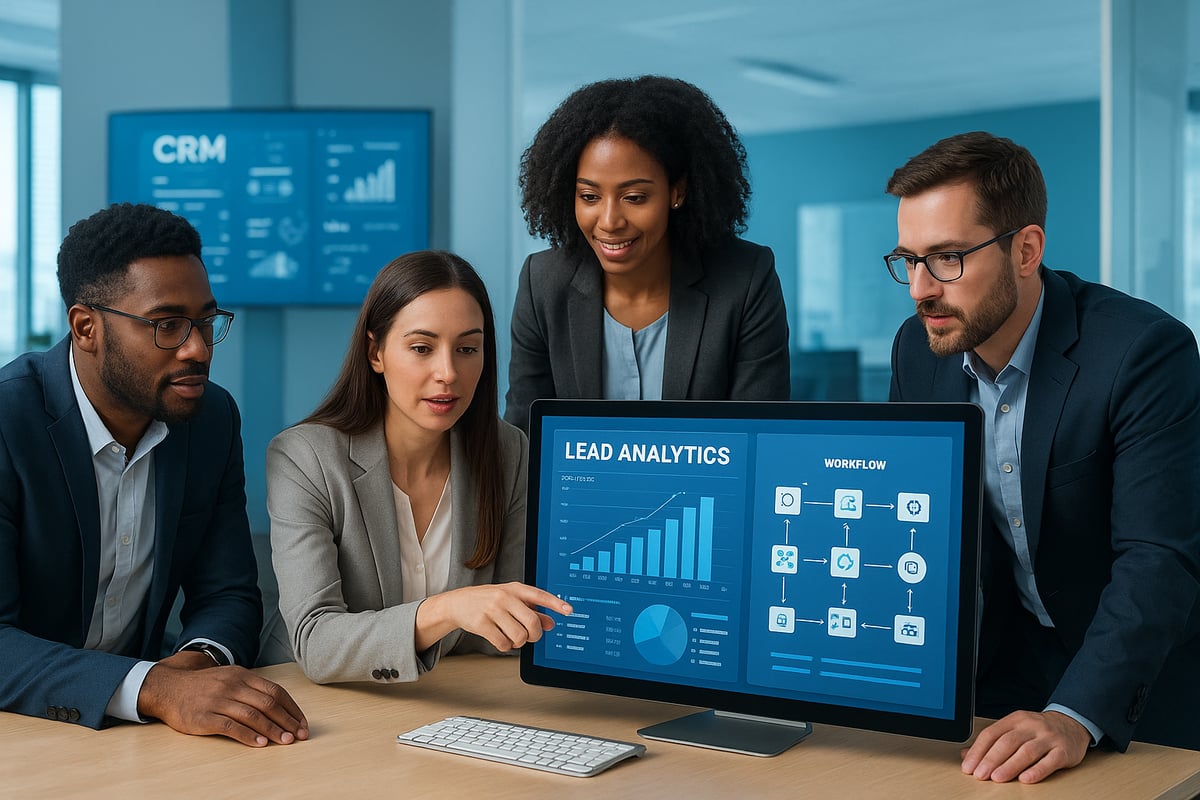
In 2026, lead generation specialists are no longer seen as simple appointment setters. Their role has shifted to that of revenue enablers, directly impacting the bottom line through strategic alignment with sales, marketing, and customer success teams. Cross-functional collaboration is now a standard, with 78% of high-growth companies citing it as a key driver.
Understanding the entire buyer journey and developing an accurate ideal customer profile (ICP) have become core responsibilities. Data literacy and analytics skills are essential, as specialists must interpret campaign performance and optimize for quality over quantity. For example, B2B agencies are now expected to deliver sales-ready leads rather than just form submissions.
Adaptability is crucial as digital channels and buyer behaviors continue to evolve. To dive deeper into how these changes impact daily work, explore lead generation and qualification for practical guidance on aligning strategy and execution.
Essential Skills and Competencies for 2026
Today’s lead generation specialists must master a blend of technical and human skills. Proficiency in marketing automation and CRM platforms is foundational. Specialists use AI and advanced data segmentation to deliver personalization at scale, ensuring outreach resonates with each target audience.
Content strategy and multi-channel campaign orchestration are equally important. An analytical mindset is required to interpret cost per lead, conversion rates, and lead quality metrics. Soft skills such as communication, empathy, and relationship-building remain vital for nurturing prospects.
A recent case study illustrates how successful specialists integrate both technical expertise and interpersonal skills. Ongoing professional development, including certifications in analytics and automation, is now standard for staying ahead in a competitive market.
Common Challenges and How to Overcome Them
Lead generation specialists face longer and more complex B2B buying cycles than ever before. Decision-maker fatigue and digital noise can make it difficult to capture attention. Ensuring high lead quality, rather than just volume, is a persistent challenge.
Attribution and ROI measurement often present hurdles, as do managing multiple tools and technology integrations. For example, using intent data helps specialists prioritize prospects who are most likely to convert, streamlining efforts and boosting efficiency.
To overcome these obstacles, clear processes, regular optimization, and strong stakeholder alignment are key. Regular feedback loops and ongoing tool audits help maintain focus and drive better results over time.
Key Industry Trends Impacting Lead Generation
Several major trends are shaping the landscape for lead generation specialists in 2026. The rise of intent-based and account-based marketing (ABM) strategies means specialists must target and personalize at the account level. Data privacy regulations require new approaches to targeting and consent management.
AI-driven prospecting and predictive analytics are now mainstream, enabling more accurate lead scoring and outreach. The expansion of digital channels, including connected TV and programmatic ads, offers new opportunities for engagement.
Transparency and measurable ROI are increasingly demanded by stakeholders. In fact, 65% of B2B marketers plan to increase ABM investment in 2026. The growing importance of first-party data collection ensures specialists stay ahead in a privacy-focused world.
Building a Data-Driven Lead Generation Strategy
Staying competitive in 2026 requires lead generation specialists to build strategies rooted in data, precision, and adaptability. Every touchpoint, message, and channel must be optimized for your target audience. Let’s break down the essential components of a data-driven approach for lead generation specialists.

Defining and Refining Your Ideal Customer Profile (ICP)
For lead generation specialists, a clearly defined ICP is the cornerstone of effective targeting. Begin by segmenting your audience using firmographic, technographic, and behavioral criteria. For example, SaaS teams often filter by job function and technology stack to reach decision-makers with buying power.
Leverage data enrichment platforms to enhance accuracy and keep your ICP relevant by revisiting it after each closed-won analysis. According to recent studies, 70 percent of successful campaigns start with a well-developed ICP. Regular updates ensure lead generation specialists remain aligned with evolving buyer profiles.
Multi-Channel Outreach: Inbound, Outbound, and Paid Media
Lead generation specialists must master multi-channel outreach to maximize engagement. Blend inbound strategies like content marketing and SEO with outbound tactics such as targeted email and LinkedIn outreach. Paid media, including LinkedIn Ads and programmatic campaigns, expands your reach to high-intent audiences.
Coordinate messaging across all channels for consistency. For instance, account-based marketing campaigns often use personalized landing pages and retargeting to boost conversions. Companies leveraging three or more channels report a 287 percent increase in lead conversion rates, underscoring the power of integrated outreach.
Leveraging Marketing Automation and AI
Automation and AI are now critical tools for lead generation specialists aiming to scale efficiently. Automate lead capture, scoring, and nurturing workflows to streamline processes. AI-driven personalization enables dynamic content, chatbots, and predictive recommendations tailored to each prospect.
Integration with CRM platforms ensures seamless handoff between marketing and sales teams. For example, using HubSpot or Marketo allows real-time tracking and faster response. Automation boosts efficiency, but lead generation specialists must avoid over-automation to maintain genuine engagement.
Content Strategy for Lead Generation
High-value content remains a top driver for lead generation specialists. Gated assets like eBooks, webinars, and calculators attract qualified leads, while SEO ensures a steady flow of organic traffic. Diversify formats with video, interactive tools, and educational resources that map to each stage of the buyer journey.
Healthcare providers, for example, use detailed case studies to pre-qualify leads based on industry pain points. Research shows that 80 percent of B2B buyers interact with at least three content pieces before converting. For more on optimizing your strategy, explore SEO lead generation strategies for actionable insights.
Measuring, Testing, and Optimizing for Results
Lead generation specialists must track performance using metrics such as cost per lead (CPL), conversion rates, and pipeline velocity. Employ attribution models—first-touch, multi-touch, or last-touch—to understand which channels drive results. Regular A/B testing of subject lines, calls to action, and landing pages is essential.
Create feedback loops between marketing and sales to refine targeting and messaging. Monthly campaign reviews and real-time dashboards highlight opportunities for improvement. By embracing continuous optimization, lead generation specialists ensure their strategies remain effective and scalable.
Step-by-Step: Implementing a High-Converting Lead Generation Engine
Building a predictable, scalable pipeline requires more than isolated tactics. For lead generation specialists, a structured, step-by-step approach is essential to consistently deliver high-quality leads. Each step below is designed to empower specialists to optimize every stage of the buyer journey, ensuring no opportunity is missed.

Step 1: ICP Development and Target List Building
The foundation for high-converting campaigns is a well-defined Ideal Customer Profile (ICP). Lead generation specialists start by gathering firmographic, technographic, and intent data to pinpoint their best-fit audience. Use proprietary data sources and enrichment tools to improve data accuracy.
Segment target lists by industry, role, and buying triggers to ensure messaging lands with the right people. For example, healthcare providers may focus on decision-makers by specialty. Regular list cleaning and validation help maintain quality, preventing wasted outreach.
A precise ICP allows lead generation specialists to focus efforts and maximize ROI from the outset.
Step 2: Crafting Personalized Messaging and Value Propositions
Personalization is no longer optional. Lead generation specialists tailor outreach based on each prospect's pain points and industry context. Dynamic fields and behavioral triggers help craft messages that resonate.
Avoid generic templates, focusing instead on relevance and value. For example, reference recent company news or industry trends in outbound emails to capture attention. Align messaging with the buyer journey stage to improve response rates.
Effective personalization enables lead generation specialists to break through digital noise and build genuine connections.
Step 3: Orchestrating Multi-Channel Campaigns
Modern buyers engage across multiple platforms. Lead generation specialists must sequence outbound emails, LinkedIn outreach, and calls for maximum impact. Meanwhile, inbound campaigns using blogs, webinars, and SEO landing pages draw prospects in organically.
Layering paid ads supports retargeting and demand capture, ensuring visibility throughout the decision process. Timing and messaging should be coordinated for omnichannel consistency.
For instance, ABM programs for enterprise leads use synchronized touchpoints to accelerate pipeline velocity. This approach helps lead generation specialists reach prospects wherever they are.
Step 4: Setting Up Automation, Lead Scoring, and Nurturing
Automation is a powerful ally for lead generation specialists, enabling efficient follow-ups and reminders. Implement workflows to nurture leads based on engagement and fit. Lead scoring uses behavioral and demographic signals to prioritize the hottest opportunities.
Integrated nurture sequences, such as educational emails or automated SMS reminders, keep leads engaged until they're ready to buy. By leveraging Marketing automation for lead gen, specialists can streamline processes, improve conversion rates, and ensure seamless sales handoff.
Balanced automation allows lead generation specialists to scale efforts without sacrificing personalization.
Step 5: Qualifying, Routing, and Responding to Leads in Real-Time
Speed and precision are crucial. Lead generation specialists use qualification frameworks like BANT, CHAMP, or MEDDIC to ensure only sales-ready prospects move forward. Automated routing directs leads to the right sales reps or booking teams instantly.
Rapid response systems, such as achieving a two-minute reply benchmark, can dramatically increase conversion rates. For example, in-house teams that schedule consultations instantly see higher engagement.
Monitoring response times and conversion metrics helps lead generation specialists continually refine their real-time processes.
Step 6: Continuous Optimization and Feedback Loops
Optimization never stops. Lead generation specialists gather sales feedback to assess lead quality and analyze campaign data for drop-off points. Regular testing of offers, channels, and messaging uncovers new opportunities.
Monthly pipeline reviews with cross-functional teams keep everyone aligned and informed. Adjusting ICP, content, and tactics based on performance data allows for agile, data-driven improvements.
These feedback loops ensure lead generation specialists consistently improve outcomes and stay ahead of market changes.
Step 7: Ensuring Compliance, Data Security, and Transparency
Compliance is non-negotiable, especially in regulated industries. Lead generation specialists must adhere to GDPR, HIPAA, and other industry-specific rules. Secure data storage and robust consent management are essential.
Transparent reporting on lead sources and outcomes builds trust with both prospects and stakeholders. For example, healthcare lead generation requires strict patient data protection.
By adopting privacy-first practices, lead generation specialists demonstrate integrity and safeguard their reputation while driving sustainable growth.
Advanced Tactics and Technology for 2026 Lead Generation
As competition intensifies, lead generation specialists must leverage the most advanced tactics and technologies to stand out. In 2026, success depends on more than traditional outreach. It requires a blend of strategy, data, and real-time engagement. Let us explore the latest innovations reshaping the landscape for lead generation specialists.

Account-Based Marketing (ABM) at Scale
Account-Based Marketing has transformed how lead generation specialists approach high-value targets. Instead of broad outreach, ABM focuses on identifying and prioritizing key accounts that align with business objectives.
Specialists personalize outreach for entire buying committees, tailoring content and engagement across multiple channels. This orchestration requires careful coordination of touchpoints, from email to LinkedIn to custom landing pages.
Consider this comparison:
| Approach | Focus | ROI Impact |
|---|---|---|
| Traditional Demand Gen | Individual leads | Moderate |
| ABM | Target accounts | High (200%+) |
For lead generation specialists, ABM campaigns deliver a 200% higher ROI than traditional efforts, according to recent industry data. SaaS companies, for instance, have adopted ABM at scale to win enterprise deals and shorten sales cycles.
Intent Data and Predictive Analytics
Harnessing intent data and predictive analytics is now essential for lead generation specialists aiming to stay ahead. By leveraging both third-party and first-party signals, specialists can identify prospects who are most likely to buy.
Predictive scoring models analyze website behavior, content engagement, and technographic data. This allows teams to prioritize outreach based on purchase readiness, not just demographic fit.
Integrating predictive analytics into CRM workflows provides real-time sales alerts when prospects signal buying intent. As a result, lead generation specialists can focus their efforts on accounts with the highest probability of conversion. Top-performing teams report that 65% use predictive analytics to improve targeting and outcomes.
Conversational Marketing and Real-Time Engagement
Real-time engagement has become a defining skill for lead generation specialists in 2026. Chatbots, live chat, and SMS are now integral to immediate prospect qualification and booking.
With conversational marketing, specialists can interact with leads as soon as they express interest, reducing friction in the buyer journey. AI-powered chat solutions qualify, segment, and route prospects to the right team members instantly.
For example, healthcare providers use chat to schedule appointments and answer questions, driving faster lead-to-sale cycles. To explore the impact of AI and conversational tools on lead generation specialists, see this overview of AI in Lead Generation Trends.
The key is to balance automation with a human touch, ensuring conversations remain personalized and authentic.
Programmatic and CTV Advertising for Lead Gen
Emerging channels like programmatic display and Connected TV (CTV) ads are expanding the reach of lead generation specialists. These platforms enable precise targeting of niche B2B audiences, with options for dynamic creative and retargeting.
Specialists can use premium inventory to reach decision-makers in industries like healthcare or software. Measuring and attributing leads from these channels requires robust analytics, but the potential is significant. CTV ad spend is projected to grow 23% year over year through 2026, making it a critical part of advanced lead generation strategies.
By integrating programmatic and CTV with other channels, lead generation specialists ensure consistent messaging and maximize campaign ROI.
Data Enrichment, Integration, and Attribution Tools
Data quality is the backbone of successful lead generation specialists. Enrichment platforms such as Clearbit and ZoomInfo enhance contact records, providing up-to-date firmographic and technographic details.
A unified martech stack allows seamless data flow from marketing to sales, supporting advanced attribution models. These tools help specialists connect offline and online touchpoints for a holistic view of the buyer journey.
Ensuring data accuracy leads to actionable insights and better decision-making. By investing in integration and attribution technology, lead generation specialists can demonstrate measurable impact and continuously refine their approach.
Aligning Sales, Marketing, and Customer Success for Lead Quality
In 2026, the success of lead generation specialists hinges on seamless alignment between sales, marketing, and customer success. High-quality leads are no longer the responsibility of one team, but a shared goal that drives predictable growth and customer satisfaction. Unlocking this alignment requires clear frameworks, robust enablement, accurate measurement, and proactive problem-solving.
Cross-Functional Collaboration Frameworks
Effective collaboration starts with shared goals and transparent KPIs. Lead generation specialists benefit from regular alignment meetings where marketing, sales, and customer success discuss pipeline health and campaign performance. Joint ownership of revenue outcomes ensures every team is invested in lead quality.
Service-level agreements (SLAs) define lead follow-up times and responsibilities, reducing friction between teams. For example, a marketing team may commit to delivering sales-ready leads while sales guarantees timely engagement. According to recent industry data, organizations with aligned teams experience 36 percent higher retention rates, highlighting the value of collaboration.
Sales Enablement and Lead Nurturing Systems
For lead generation specialists, equipping sales teams with the right tools is crucial. Sales enablement includes playbooks, competitive messaging, and content assets tailored to each stage of the buyer journey. Automated nurture sequences guide unready leads with educational materials, supporting long-term engagement.
Real-time insights empower sales reps to personalize outreach, while ongoing training ensures teams stay current with evolving tactics. This approach helps lead generation specialists convert prospects more efficiently, especially in complex industries like healthcare or SaaS.
Measuring Lead Quality and Revenue Impact
Robust measurement practices help lead generation specialists prove their value. Defining lead stages such as MQL, SQL, and opportunity is foundational. Closed-loop reporting connects campaigns to revenue outcomes, enabling regular audits of lead sources and conversion paths.
Utilizing lead quality best practices supports accurate assessment and continuous improvement. Dashboards provide visibility into key metrics, while feedback from sales refines targeting and messaging. This data-driven approach ensures every lead contributes to business growth.
Overcoming Common Alignment Pitfalls
Even the most skilled lead generation specialists encounter alignment challenges. Miscommunication and siloed data can undermine efforts, while inconsistent messaging confuses prospects. Bridging these gaps requires unified CRM and reporting systems, ensuring all teams access the same information.
Leadership buy-in is essential for integrated revenue operations. Regular feedback sessions and shared accountability help maintain alignment over time. By addressing these pitfalls, lead generation specialists build a foundation for sustainable success and stronger pipeline performance.
Future-Proofing Your Lead Generation: Trends and Predictions for 2026
As we look ahead, lead generation specialists must anticipate rapid industry shifts and evolving buyer expectations. Future-proofing your strategies means embracing personalization, prioritizing compliance, exploring new channels, and committing to lifelong learning. Let us examine the trends shaping tomorrow’s landscape.
Personalization and Humanization at Scale
In 2026, personalization will be the defining feature for lead generation specialists. Buyers expect every interaction to reflect their unique needs and context. Dynamic content, AI-powered recommendations, and tailored messaging allow specialists to deliver relevant experiences without sacrificing authenticity.
For example, personalized video outreach and interactive demos are replacing generic emails. The challenge is balancing automation with genuine human connection. According to recent studies, 92% of buyers demand personalized experiences, making this a top priority for those driving results.
Mastering personalization helps lead generation specialists stand out, build trust, and boost conversion rates.
Privacy, Compliance, and Ethical Lead Generation
Data privacy continues to reshape how lead generation specialists operate. With evolving regulations like GDPR, CCPA, and HIPAA, transparency and consent are non-negotiable. Ethical lead generation means not only protecting data but also building trust with every prospect.
Healthcare lead generation often requires explicit patient consent and strict adherence to compliance. Specialists must minimize risk by using secure data storage and clear consent management processes. Staying ahead of regulatory changes ensures campaigns remain effective and reputational risks are reduced.
By prioritizing privacy and ethical standards, lead generation specialists future-proof their outreach and foster long-term relationships.
Emerging Channels and Buyer Behaviors
The digital landscape is expanding, and lead generation specialists must adapt to new buyer habits. Platforms such as audio, connected TV, and voice search are gaining traction. B2B buyers increasingly rely on peer reviews and social proof during research.
A recent B2B Lead Generation Statistics 2025 report reveals that over half of decision-makers prefer self-service research before engaging sales. To remain competitive, specialists should diversify outreach and meet prospects on their preferred platforms.
Understanding and leveraging emerging channels is critical for lead generation specialists aiming to capture high-quality leads in a crowded market.
Continuous Learning and Adaptation for Specialists
The pace of change in lead generation requires ongoing education. Lead generation specialists must stay current with new technologies, data analytics tools, and evolving best practices. Professional development, certifications, and participation in industry communities are essential for maintaining an edge.
According to the Lead Generation Solutions Market Forecast, the market is projected for significant growth, highlighting the need for adaptable and skilled specialists. Embracing experimentation and agility ensures long-term success.
Those who commit to continuous learning will be the lead generation specialists who thrive in 2026 and beyond.