
Imagine if your business could double its sales pipeline in 2026, not by increasing hours, but by focusing on high leads that truly move the needle. This guide uncovers the most effective, data-driven strategies to attract, nurture, and convert high leads for exceptional growth.
You’ll discover what sets a high-quality lead apart, why lead quality matters more than ever, and proven methods to generate and nurture high leads. Get ready for actionable insights, real-world examples, and the latest trends to help you achieve record-breaking results.
Understanding High-Quality Leads in 2026
In 2026, the race for high leads is more competitive than ever. Businesses are shifting focus from quantity to quality, aiming to fill their pipeline with prospects who have real potential. Understanding what sets high leads apart is the first step toward creating a strategy that maximizes results.
Defining High-Quality Leads
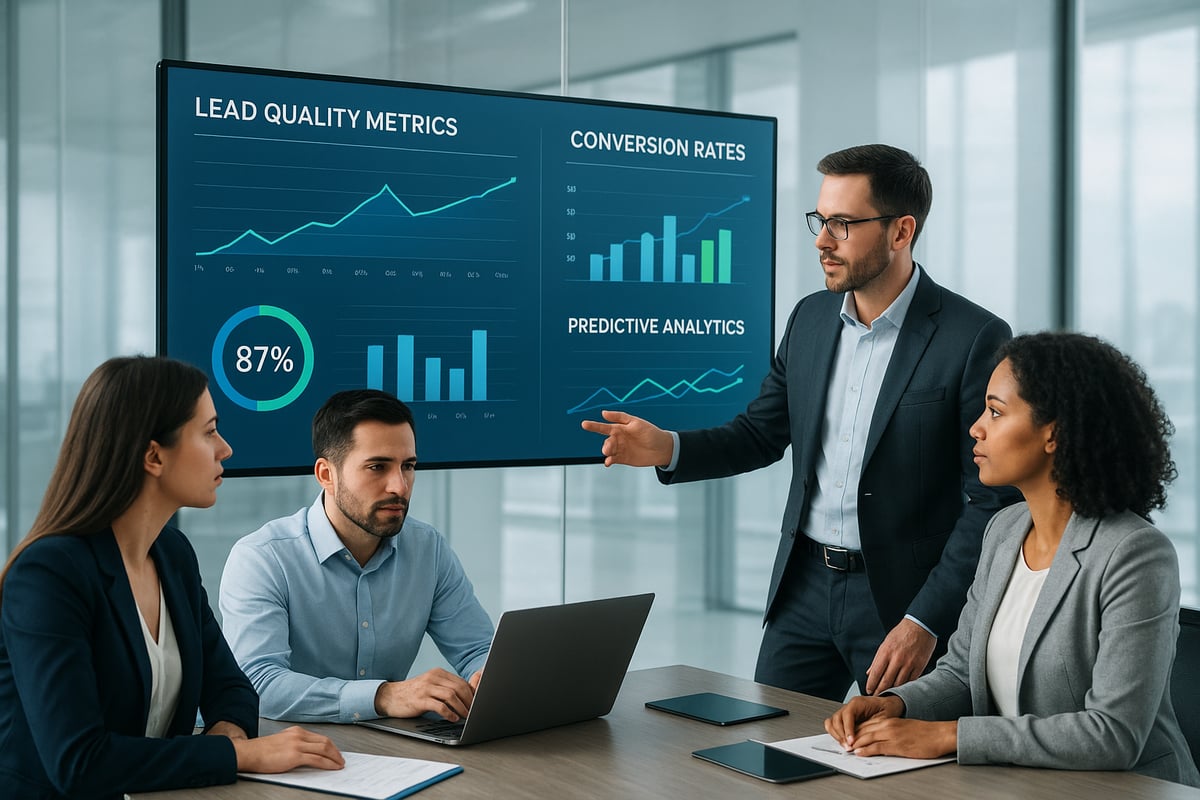
High leads are defined by several clear characteristics. Using the BANT framework—Budget, Authority, Need, and Timeline—helps businesses qualify prospects efficiently. High-quality leads show strong engagement, have a clear intent to purchase, and meet all the criteria for decision-making.
In contrast, low-quality leads may lack interest, authority, or budget, making them less likely to convert. For example, a healthcare lead with insurance coverage, immediate care needs, and decision authority is high quality. In eCommerce, a user who fills a cart and requests a product demo signals strong intent.
| Lead Type | Engagement | Intent | Authority | Budget | Timeline |
|---|---|---|---|---|---|
| High-Quality Lead | High | Clear | Yes | Yes | Defined |
| Low-Quality Lead | Low | Vague | No | No | Unknown |
According to industry benchmarks, high-quality leads are 60% more likely to convert. However, a common misconception is that a large volume of leads guarantees success, when in fact, quality drives growth. For a deeper dive, see Understanding Lead Quality.
Why Lead Quality Matters More Than Ever
Focusing on high leads directly impacts ROI and sales efficiency. When teams chase low-quality leads, resources are wasted and conversion rates drop. In fact, 79% of marketing leads never convert due to lack of nurturing, according to Thrive Agency.
The cost of pursuing poor-fit leads adds up quickly, affecting both short-term revenue and long-term customer lifetime value (CLTV). Leading industries, such as finance and healthcare, showcase how refining lead quality improves sales cycles and loyalty. As competition intensifies, prioritizing high leads is essential for sustainable growth.
The 2026 Lead Generation Landscape
The landscape for high leads in 2026 has transformed. Buyer behavior has shifted since 2025, with prospects demanding more personalized, relevant experiences. AI and automation now play a central role in qualifying and nurturing leads, allowing faster and more accurate identification of sales-ready prospects.
Privacy regulations from companies like Google and Apple have changed how data is collected, pushing marketers to adopt ethical, consent-based strategies. Multi-channel touchpoints—social, search, email, chatbots—are now standard, with B2B and B2C organizations using integrated campaigns to capture and qualify high leads more effectively.
Key Metrics for Identifying High Leads
Tracking and scoring high leads relies on a blend of technology and data. Lead scoring systems and predictive analytics help prioritize prospects based on real engagement signals, such as website visits, resource downloads, and demo requests.
Key qualifying questions and verified data points ensure only the most promising leads move forward. A modern tech stack—CRM, marketing automation, and AI tools—is essential for monitoring and optimizing the pipeline. Industry benchmarks show that lead-to-customer conversion rates can double with the right identification strategies for high leads.
Proven Strategies for Generating High Leads
In 2026, generating high leads is about precision, personalization, and leveraging the latest technology. Let’s break down the most effective, data-driven methods for consistently attracting and converting high leads in today’s fast-evolving digital landscape.

Content Marketing and SEO for High-Intent Leads
Content marketing remains the backbone of high leads generation. By crafting value-driven resources tailored to each funnel stage, you naturally attract prospects ready to engage. Educational articles, case studies, and whitepapers build authority and filter for those with genuine interest.
SEO amplifies this effect. Targeting long-tail keywords, structuring topic clusters, and implementing schema markup ensures your content surfaces for high-intent searches. Companies with robust blogs see 67% more leads each month. To maximize results, leverage gated assets like eBooks or webinars for lead capture. For deeper insights on SEO’s role in generating high leads, explore SEO for Lead Generation.
Paid Advertising and Retargeting
Paid campaigns are essential for scaling high leads acquisition in 2026. Platforms like Google Search, Performance Max, and LinkedIn Lead Gen Forms allow for precise audience targeting with high-converting ad formats.
Retargeting is equally crucial. By serving dynamic, personalized ads to recent website visitors, you keep your brand top-of-mind and nurture warm prospects. Allocate budgets to prioritize quality over quantity, focusing spend on those demonstrating clear buying signals. Retargeted users are statistically 70% more likely to convert, making this strategy a cornerstone for capturing high leads and accelerating your sales pipeline.
Leveraging AI and Automation Tools
AI-driven solutions are revolutionizing high leads generation. Modern tools automatically score, enrich, and qualify prospects based on real-time data and predictive analytics. Chatbots engage visitors instantly, answering questions and routing high leads to sales in under two minutes.
Automation workflows ensure timely follow-ups, nurturing leads through personalized sequences without manual intervention. Predictive analytics help identify which contacts are sales-ready, streamlining the handoff to your team. As AI adoption grows, businesses leveraging these capabilities consistently outperform competitors in both speed and conversion of high leads.
Multi-Channel Lead Capture Techniques
Capturing high leads in 2026 requires seamless integration across social media, email, SMS, and web chat. Multi-channel campaigns boost engagement by up to 40 percent, as prospects interact in their preferred environments.
Optimize landing pages for mobile devices, ensuring forms are simple and conversion-focused. Interactive content such as quizzes and calculators not only capture data but also qualify high leads in real time. Effective multi-channel strategies improve lead quality, driving more meaningful conversations and sustainable growth for your business.
Building Trust and Authority
Trust is the foundation of high leads generation. Showcasing social proof—think reviews, testimonials, and case studies—builds instant credibility. Authority-building content like webinars, podcasts, and whitepapers positions your brand as an industry leader.
Strategic partnerships and co-marketing campaigns further enhance your reputation. For example, healthcare providers frequently use patient success stories to establish trust. According to industry data, 92 percent of consumers trust peer recommendations, making these tactics vital for attracting and converting high leads.
Data Privacy and Compliance in Lead Generation
Staying compliant with evolving data regulations is critical when pursuing high leads. Adhering to GDPR, CCPA, and HIPAA standards protects both your business and your prospects. Transparent opt-in processes and clear consent management foster trust and improve lead quality.
Industries like healthcare and finance require robust tools for secure data handling and storage. Privacy changes from tech giants are impacting data collection, so adapt by prioritizing first-party data. Emphasizing compliance ensures your high leads are both valuable and ethically sourced, safeguarding your reputation and future growth.
Step-by-Step Lead Nurturing Strategies for Higher Conversion
Nurturing high leads is the backbone of a successful sales pipeline in 2026. With the right approach, businesses can transform interest into lasting customer relationships and accelerate conversion rates. Below, we break down the essential steps to help you maximize the value of every high lead in your funnel.
Segmentation and Personalization
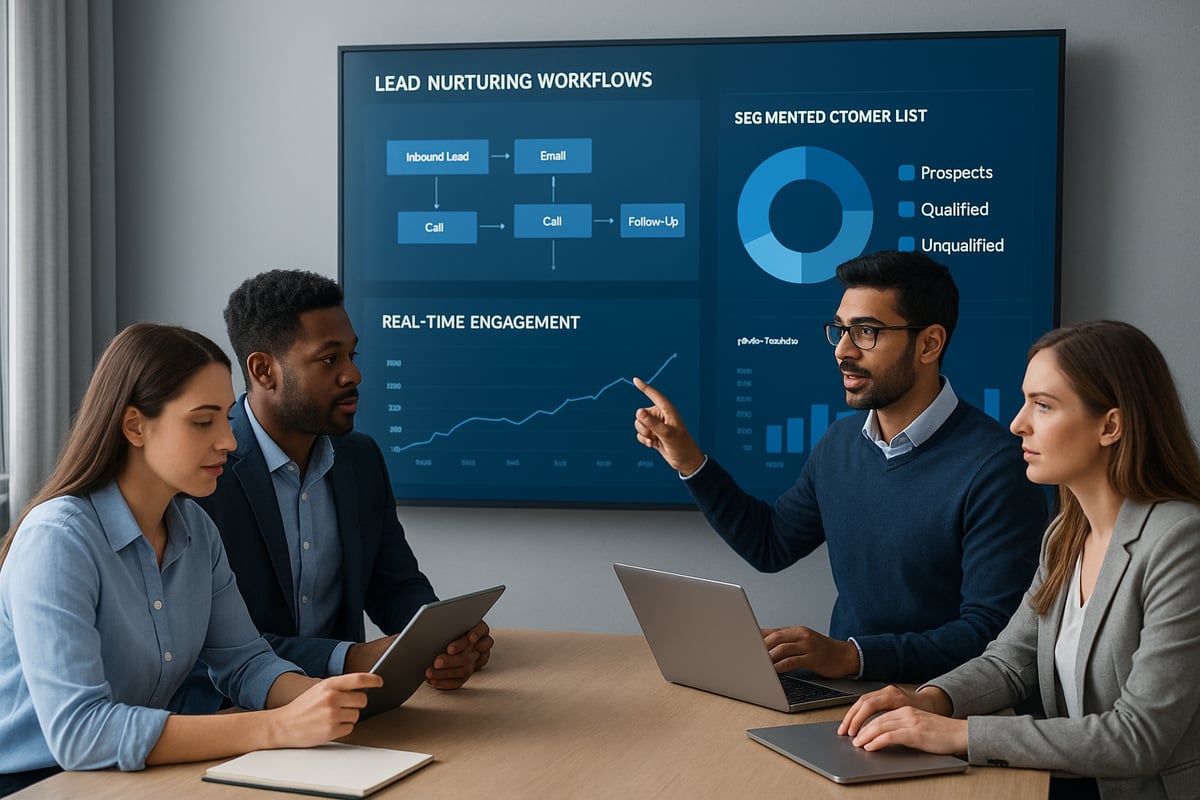
Segmenting your audience is the first step to nurturing high leads. By dividing leads based on behavior, demographics, and lifecycle stage, you ensure each message is relevant and timely.
- Use CRM tools to identify patterns in engagement.
- Tailor email, SMS, and retargeting campaigns for each segment.
- Deliver dynamic content that matches user interests.
Personalized outreach can boost open rates by 26%. For more in-depth strategies on segmenting and qualifying high leads, explore the Lead Generation and Qualification Guide. This level of personalization shows each high lead you understand their unique needs.
Automated Lead Nurturing Workflows
Automation is essential for scaling high leads nurturing without sacrificing quality. Set up drip campaigns to deliver educational content and use trigger-based messaging for actions like demo requests or abandoned carts.
- Develop multi-step workflows for longer sales cycles.
- Monitor engagement and adjust paths based on behavior.
- Implement onboarding sequences for SaaS or complex products.
Automated workflows ensure high leads receive the right information at the right time, improving the chances of conversion and reducing manual workload for your team.
Sales and Marketing Alignment
Aligning sales and marketing teams is a game changer for high leads conversion. Define clear criteria for Marketing Qualified Leads (MQLs) and Sales Qualified Leads (SQLs) to ensure everyone targets the same prospects.
- Hold weekly alignment meetings to discuss progress.
- Share dashboards for real-time reporting.
- Create feedback loops for continuous process improvement.
When teams collaborate, lead leakage drops, and customer retention can rise by 36%. Clear alignment keeps the focus on nurturing high leads throughout the pipeline.
Speed to Lead: The Critical Success Factor
Responding quickly is vital for capturing the attention of high leads. Studies show leads contacted within 2 minutes are four times more likely to convert.
- Use instant callback tools and automated scheduling.
- Prioritize follow-ups with leads who show strong intent.
- Set SLAs for response times to maintain consistency.
For example, healthcare providers have booked 30% more appointments by following up rapidly. Speed demonstrates your commitment and builds trust with every high lead.
Multi-Touch Nurturing and Re-Engagement
A single touchpoint is rarely enough for high leads. Multi-channel nurturing—across phone, email, SMS, and social—keeps your business top of mind.
- Launch win-back campaigns with exclusive offers.
- Track all touchpoints to measure campaign effectiveness.
- Re-engage dormant leads with personalized messages.
Consistent, multi-touch strategies help revive inactive high leads and guide them back into your sales funnel, ensuring no opportunity is left behind.
Measuring, Scoring, and Optimizing Lead Quality
Understanding how to measure, score, and optimize high leads is essential for achieving sustained business growth. Consistent evaluation of lead quality ensures that every opportunity in your pipeline is worth your team's effort and resources.
Lead Scoring Models and Criteria
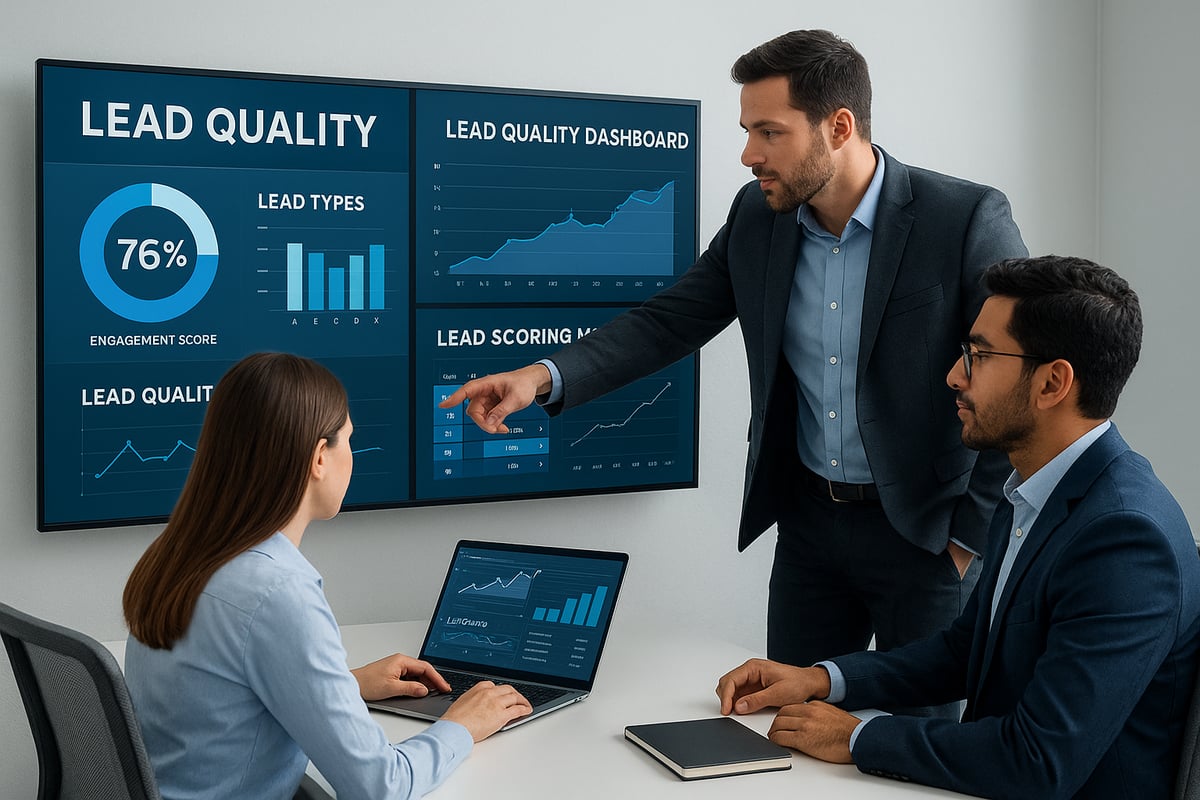
Accurately scoring high leads begins with a blend of demographic, firmographic, and behavioral data. The most effective models are tailored to your industry and business goals, using insights such as job title, company size, engagement level, and buying signals.
| Scoring Factor | Healthcare Example | SaaS Example |
|---|---|---|
| Demographic | Role in practice | Tech stack size |
| Behavioral | Webinar attended | Demo requested |
| Firmographic | Clinic size | Industry segment |
Companies that implement lead scoring see up to 77 percent higher ROI. Tools like CRM-based scoring and AI-powered platforms streamline this process, helping teams prioritize high leads over low-intent prospects. For deeper strategies, see Qualified Lead Generation Tips.
Analytics and Attribution for Lead Generation
Analyzing the journey of high leads requires robust tracking and attribution. Set up conversion tracking to monitor each interaction, from initial website visit to final sale. Multi-touch attribution reveals which channels and campaigns drive the highest lead-to-customer rates.
Key metrics include:
- Cost per lead (CPL)
- Lead-to-customer conversion rate
- Customer lifetime value (CLTV)
Complex sales cycles benefit from attribution models that assign value to every touchpoint. With analytics, you can refine messaging and targeting, ensuring your high leads receive the right engagement at the right time.
Continuous Optimization and Testing
Optimization is a continuous process in managing high leads. A/B testing landing pages, forms, and calls-to-action uncovers what best motivates your audience. Iterative improvements, guided by real-time data, can drive conversion rates 30 percent higher.
Feedback loops between sales and marketing provide actionable insights. For example, testing different lead magnets, such as ebooks or webinars, helps identify which offers attract the highest quality leads. Consistent testing and learning are critical for maximizing the value of high leads.
Overcoming Common Lead Quality Challenges
Maintaining high leads quality means addressing challenges like lead fatigue, list decay, and data accuracy. Use double opt-in processes to confirm intent and filter out spam or low-intent contacts.
Strategies to overcome these obstacles:
- Regularly clean and enrich lead data
- Implement strict qualification criteria
- Scale campaigns carefully to avoid sacrificing quality
By focusing on accurate data and effective filtering, your team can ensure that only high leads progress through the funnel, strengthening overall conversion rates and long-term customer value.
Industry-Specific High Lead Strategies for 2026
Every industry faces unique challenges and opportunities when it comes to generating high leads. In 2026, mastering industry-tailored strategies is essential to outperform competitors and drive real business growth. Let’s break down the best approaches for healthcare, franchise, B2B, and eCommerce sectors.
Healthcare and Medical Services
Healthcare organizations must prioritize regulatory compliance, patient privacy, and trust when pursuing high leads. HIPAA-compliant lead capture forms, secure appointment booking, and transparent communication are non-negotiable.
- Use patient-centric messaging to address needs directly.
- Host educational webinars to establish authority and attract qualified leads.
- Send automated appointment reminders to boost show rates by 31 percent.
Integrating EHR or EMR systems with lead management platforms streamlines follow-up and ensures data accuracy. In healthcare, high leads are those who show genuine interest, engage with resources, and meet strict compliance standards.
Franchise and Multi-Location Businesses
For franchises, high leads require both local relevance and brand consistency. Localized SEO, geo-targeted pay-per-click campaigns, and community-focused content help capture intent-rich prospects in each market.
- Differentiate between franchisee and franchisor leads for proper routing.
- Centralize lead management for brand alignment, but allow local customization.
- Use advanced visitor identification technology to uncover 60 percent of anonymous site visitors.
Multi-location businesses should optimize landing pages for each region and use tracking tools to evaluate which locations attract the most high leads.
B2B and Professional Services
B2B companies benefit from account-based marketing and relationship-building tactics to secure high leads. Outreach on LinkedIn and industry-specific forums targets decision makers in key accounts, while gated resources like whitepapers encourage qualified inquiries.
- Employ AI-powered prospecting and management to automate lead research and scoring, improving efficiency and accuracy.
- Align sales and marketing teams to nurture prospects through longer sales cycles.
- Remember: B2B high leads often require seven or more touches before converting.
By leveraging AI-powered prospecting and management, B2B firms can focus on the right accounts and maximize conversion rates.
eCommerce and Retail
In eCommerce, high leads are those likely to buy or become repeat customers. Use personalized SMS campaigns, dynamic remarketing ads, and loyalty programs to nurture these prospects.
- Recover abandoned carts with targeted emails and exclusive offers.
- Integrate CRM with your eCommerce platform for seamless tracking.
- Remember that 92 percent of first-time visitors are not ready to purchase, so focus on re-engagement.
Interactive content like quizzes and calculators can boost engagement, helping you identify and convert high leads more effectively.
Future-Proofing Your Lead Generation Strategy for 2026 and Beyond
The landscape for high leads is rapidly evolving, with new technologies, regulations, and consumer behaviors shaping the future. To stay ahead, businesses must embrace innovation, prioritize compliance, and build flexibility into every aspect of their lead generation process. Here’s how to ensure your strategies remain effective and resilient in 2026 and beyond.
Adapting to AI and Automation Trends
Artificial intelligence and automation are transforming how companies identify and engage high leads. Predictive lead scoring, intelligent routing, and AI-driven personalization allow teams to focus on prospects most likely to convert. For example, AI-powered chatbots can qualify leads 24/7, ensuring no opportunity slips through the cracks.
Businesses that leverage AI-assisted lead generation tools gain a competitive edge by automating repetitive tasks and delivering tailored content at scale. As 80% of organizations plan to use AI for lead generation by 2026, integrating these technologies is essential for future-proof success with high leads.
Preparing for Privacy and Regulatory Shifts
With global data privacy laws tightening, companies must rethink how they collect and manage information from high leads. Anticipating changes in regulations such as GDPR, CCPA, and new international standards is crucial to avoid penalties and maintain trust.
Adopt first-party and zero-party data strategies, using interactive tools to gather consented information directly from prospects. Transparent opt-ins, clear privacy policies, and robust compliance monitoring tools create a foundation of trust, ensuring your high leads pipeline remains both compliant and effective in a privacy-first era.
Innovating with New Channels and Formats
To capture high leads in 2026, marketers must embrace emerging channels like voice search, video, and immersive experiences. Platforms such as TikTok and Threads are gaining traction, while live video Q&A sessions offer real-time engagement and lead capture.
Generative Engine Optimization (GEO) is becoming vital as AI-driven search behaviors reshape discovery and conversion. Leveraging Generative Engine Optimization (GEO) ensures your content is discoverable and resonates with future audiences. Video content, for instance, can boost landing page conversions by up to 80%, making it a critical component for high leads strategies.
Building Agility into Your Lead Generation Process
Future-proofing your high leads approach requires agility at every level. Rapid experimentation, cross-functional collaboration, and continuous learning enable teams to quickly adapt to market changes and algorithm updates.
Implement weekly sprints to test new tactics, analyze results, and scale what works. Encourage ongoing upskilling to stay current with the latest tools and trends. By fostering a culture of resilience and flexibility, your organization will consistently generate high leads, regardless of how the landscape evolves.