
The world of publicity campaigns is rapidly changing, with brands facing higher stakes and more competition than ever in 2026. Success now means staying ahead of digital trends, navigating complex media, and connecting authentically with audiences.
This guide offers a clear, step-by-step approach for planning, executing, and optimizing publicity campaigns that deliver real results in 2026. You will discover strategies for campaign design, digital innovation, influencer partnerships, measurement, and emerging trends.
Want to elevate your brand's impact? Dive in for actionable insights and gain the competitive edge you need.
Understanding Publicity Campaigns in 2026
Publicity campaigns in 2026 have evolved far beyond the traditional press releases and media events of the past. Brands now operate in a dynamic digital environment, where earning trust and attention requires both strategy and agility. To succeed, organizations must redefine how they approach publicity campaigns, focusing on measurable objectives and omnichannel engagement.

Defining Modern Publicity Campaigns
Modern publicity campaigns are targeted, data-driven initiatives designed to influence public perception, boost brand awareness, and maximize audience engagement. Unlike traditional PR, which often relied on static press releases and one-way communication, today's publicity campaigns leverage interactive storytelling, social media, and real-time engagement.
Key objectives for publicity campaigns include:
- Building and sustaining brand awareness
- Managing and enhancing reputation
- Driving active audience participation
Since 2020, public perception and media trust have shifted significantly. Audiences are more skeptical, seeking transparency and authenticity from brands. This evolution has pushed organizations to adopt an omnichannel presence, meeting audiences where they are—across social platforms, podcasts, digital news, and emerging channels.
| Traditional PR | Modern Publicity Campaigns |
|---|---|
| One-way communication | Two-way, interactive engagement |
| Static press releases | Dynamic, multimedia storytelling |
| Limited channels | Omnichannel, digital-first approach |
| Slow feedback loops | Real-time analytics and adaptation |
To remain competitive, brands must build publicity campaigns that are agile and responsive, tailored to the unique demands of 2026.
The 2026 Publicity Landscape
The landscape for publicity campaigns in 2026 is shaped by rapid advances in AI, automation, and predictive analytics. These technologies allow marketers to design smarter, more efficient campaigns that anticipate audience needs and respond instantly to trends.
Micro-moments—brief, intent-rich interactions—now play a critical role in publicity campaigns. Brands must engage consumers in real time, across fragmented media channels that include social networks, digital platforms, podcasts, and even immersive AR/VR experiences. This fragmentation makes authenticity and transparency more important than ever. Audiences can quickly spot insincerity, so campaigns must be genuine and value-driven.
Notable publicity campaigns in 2025 showcased the power of new technology. For example, brands used AI-driven tools to monitor sentiment and adjust messaging on the fly, resulting in higher engagement and stronger brand loyalty. To navigate this environment, marketers must stay informed on Media Advertising Best Practices, ensuring their strategies are effective across every channel.
Data-Driven Decision Making
A defining feature of publicity campaigns in 2026 is the shift to data-centric planning and execution. Marketers rely on robust analytics to guide every stage of their campaigns, from audience targeting to message timing and channel selection.
According to industry benchmarks, 78 percent of marketers in 2025 used AI tools to optimize their publicity campaigns. Data informs not only who to target, but also when and where to deliver messages for maximum impact. This approach results in more efficient resource allocation and higher ROI.
Key components of data-driven publicity campaigns:
- Audience segmentation using behavioral data
- Real-time performance tracking and optimization
- Predictive analytics for proactive campaign adjustments
By embracing a data-first mindset, brands can ensure their publicity campaigns are both effective and adaptable. Continuous analysis and learning empower organizations to refine their strategies, keeping them ahead in a fast-changing media landscape.
Step-by-Step Process: Planning and Launching a 2026 Publicity Campaign
Launching successful publicity campaigns in 2026 requires a structured yet agile approach. Each phase, from defining objectives to executing a seamless launch, is critical for maximizing reach and impact. Let us break down the essential steps to ensure your next campaign is both innovative and measurable.

Step 1: Setting Campaign Objectives and KPIs
The foundation of effective publicity campaigns lies in setting clear objectives that align with your broader business goals. Begin by defining what success looks like for your brand. Are you aiming for increased brand visibility, enhanced reputation, or greater audience engagement?
Use SMART goals: Specific, Measurable, Achievable, Relevant, and Time-bound. For example, target a 30% increase in brand mentions within a 90-day window. KPIs should reflect these objectives, such as media impressions, sentiment scores, or website traffic from campaign-driven sources.
A comparison table can help clarify typical KPIs for publicity campaigns:
| Objective | KPI Example | Measurement Tool |
|---|---|---|
| Brand Awareness | Media Mentions | Social Listening |
| Reputation | Sentiment Analysis | AI Analytics |
| Engagement | Shares, Comments | Platform Insights |
For a deeper dive into aligning strategy and measurement, review Advertising Campaign Management Strategies.
Step 2: Identifying and Understanding Target Audiences
Knowing your audience is essential for impactful publicity campaigns. In 2026, AI-powered segmentation tools allow brands to analyze behavioral patterns, purchase history, and social interactions at scale.
Start by gathering demographic and psychographic data. Build detailed personas that reflect your ideal audience’s motivations, preferences, and pain points. Use AI-driven platforms to uncover emerging trends and micro-segments.
Effective audience identification enables tailored messaging and channel selection, ensuring your publicity campaigns reach those most likely to engage.
Step 3: Crafting Core Messages and Storylines
Personalization is at the heart of modern publicity campaigns. Generative AI tools now allow brands to craft messages that resonate on an individual level while maintaining a consistent brand narrative.
Balance your brand story with the interests of your audience. Craft storylines that evoke emotion, drive curiosity, and foster trust. For instance, a health tech brand might use real-world testimonials and data-driven insights to spark viral engagement.
Test multiple message variations using AI to refine and optimize content in real time. This iterative approach helps publicity campaigns achieve stronger engagement and recall.
Step 4: Selecting the Right Channels and Tactics
Choosing the right mix of channels is crucial for maximizing the reach of publicity campaigns. Digital, social, audio, and experiential platforms each offer unique opportunities for engagement.
Consider the resurgence of podcasts and live audio, which have become powerful tools for storytelling and brand authority. Integrate paid, earned, shared, and owned media for a holistic campaign approach.
Key tactics include:
- Sponsoring relevant podcasts or live events
- Leveraging social media influencers for authentic amplification
- Utilizing experiential pop-up activations
Cross-channel coordination ensures your publicity campaigns remain agile and responsive to audience behavior.
Step 5: Building the Campaign Timeline and Budget
A detailed timeline and budget keep publicity campaigns on track and within scope. Agile planning methods allow for rapid iteration and adjustments as campaign data is collected.
Break down your budget by channel, creative development, distribution, and analytics. Benchmark against industry standards to ensure competitive investment levels. For instance:
| Channel | Budget % | Notable Activities |
|---|---|---|
| Social Media | 35% | Content, Ads, Influencers |
| Audio/Podcasts | 20% | Sponsorships, Production |
| PR Outreach | 25% | Press Releases, Events |
| Analytics | 20% | Monitoring, Reporting |
This structure allows for resource flexibility as campaign needs evolve.
Step 6: Preparing Assets and Launching
The final step in executing publicity campaigns involves asset coordination and launch readiness. Align creative teams, PR professionals, and influencer partners to ensure all content is on-brand and compliant.
Leverage automation tools to synchronize releases across channels. Schedule press releases, social posts, and influencer collaborations to maximize impact within the planned launch window. Prioritize brand safety and legal compliance at every stage.
After launch, monitor performance closely and be prepared to make real-time adjustments for optimal results. This proactive approach helps publicity campaigns adapt to emerging trends and audience feedback.
Leveraging Technology and Digital Innovation
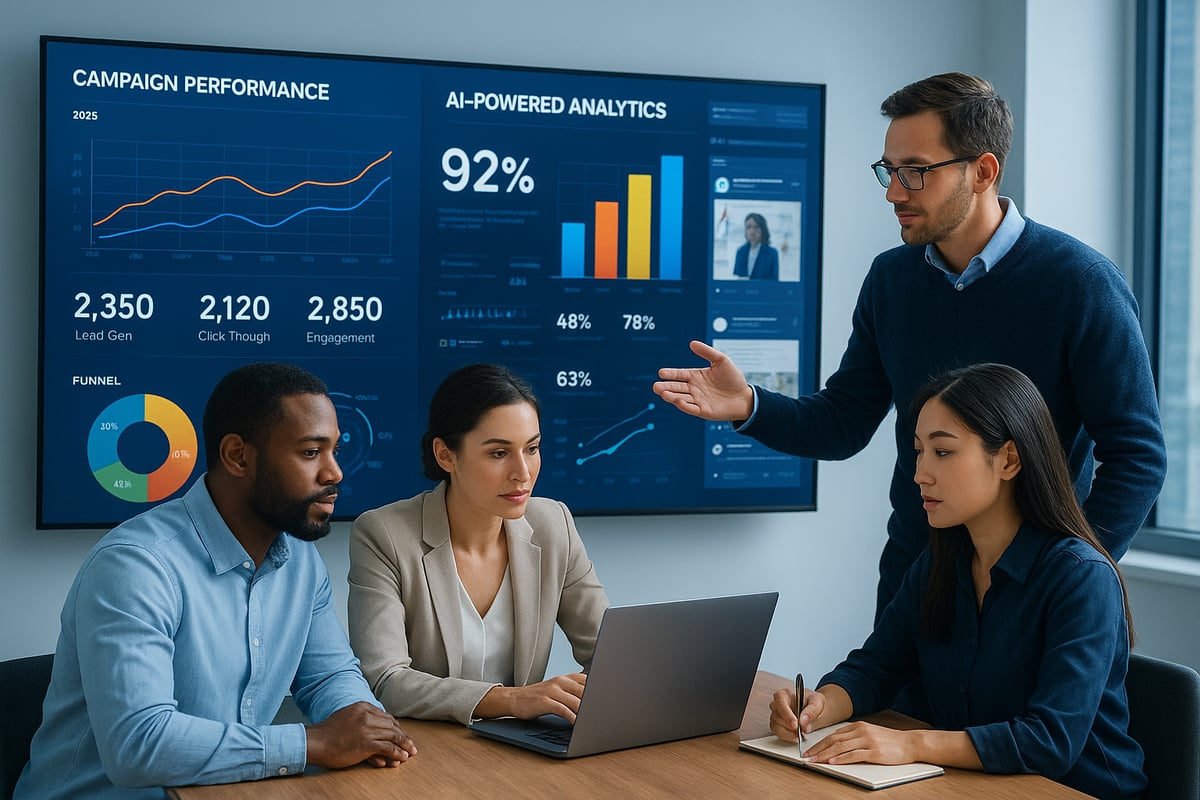
As we step into 2026, technology has become the driving force behind the transformation of publicity campaigns. Brands must now harness advanced tools to stay visible, relevant, and resilient in a digital-first world. Leveraging innovation is no longer optional—it is the foundation of modern publicity campaigns.
The Role of Artificial Intelligence and Automation
Artificial intelligence is now at the core of successful publicity campaigns. AI-powered tools streamline content creation, automate distribution, and optimize messaging with remarkable speed and accuracy. Brands can generate personalized press releases, adapt social posts for different segments, and even craft responses to media inquiries in real time.
Automation extends to media outreach, scheduling, and monitoring. By automating repetitive tasks, teams reduce manual effort and minimize errors. Industry data shows that automation in publicity campaigns can cut launch times by up to 60 percent, enabling brands to respond instantly to market shifts or emerging trends.
AI-driven insights also shape creative direction. Campaign managers can use predictive analytics to anticipate audience reactions, select optimal publishing times, and refine messaging based on live feedback. In 2026, integrating AI and automation is essential for running efficient, results-driven publicity campaigns.
Advanced Analytics and Real-Time Monitoring
Data analytics has fundamentally changed how publicity campaigns are measured and managed. Advanced platforms track sentiment, engagement, and reach across every digital touchpoint. Real-time dashboards provide a holistic view, allowing campaign managers to adjust tactics on the fly.
These systems detect shifts in audience mood, identify viral trends, and flag potential crises before they escalate. For example, if negative sentiment spikes during a campaign, teams can instantly deploy corrective messaging or reallocate resources to more receptive channels.
A well-structured measurement framework is critical. By combining cross-platform analytics with AI-powered insights, brands ensure their publicity campaigns remain agile and effective. This data-centric approach maximizes ROI and supports continuous improvement.
Emerging Platforms and Formats
The digital ecosystem for publicity campaigns is more fragmented and dynamic than ever. Short-form video, immersive AR and VR experiences, and interactive content are now mainstream. Decentralized social networks and Web3 platforms are opening new avenues for brand storytelling and engagement.
Staying ahead means adapting to platform-specific algorithms and experimenting with new content formats. For example, AI-generated video content is becoming standard, and interactive polls or live Q&A sessions create real-time audience connections. According to AI’s Role in Digital Marketing by 2026, AI-driven personalization and automation are set to define the next generation of digital campaigns.
To succeed, brands must test emerging formats, monitor engagement data, and iterate quickly. This proactive approach ensures publicity campaigns reach audiences wherever they are most active.
Cybersecurity and Brand Protection
With the rise of digital publicity campaigns, cybersecurity and brand protection are top priorities. Misinformation, impersonation, and data breaches can undermine even the most well-crafted campaign. Brands must implement strict protocols to safeguard creative assets, press releases, and influencer content.
Best practices include secure content management systems, encrypted communications, and regular vulnerability assessments. Teams should also monitor for unauthorized use of brand assets and respond swiftly to potential threats.
Proactive digital security is essential for maintaining trust and credibility. By prioritizing protection, brands ensure their publicity campaigns are resilient against evolving cyber risks and reputational challenges.
Building Strategic Partnerships and Influencer Collaborations
Forming strategic partnerships and influencer collaborations is now a cornerstone of successful publicity campaigns. The right alliances can elevate brand visibility, credibility, and engagement, especially in a fragmented digital landscape. In 2026, brands must approach partnerships with precision, focusing on alignment, transparency, and measurable outcomes.

Identifying and Vetting Strategic Partners
Choosing the right partners is essential for maximizing the impact of publicity campaigns. Brands should seek collaborators who not only have reach, but also align with core values and resonate with target audiences. This alignment ensures authenticity, which audiences now demand.
Key criteria for vetting partners include:
- Audience compatibility and overlap
- Proven track record in relevant industries
- Alignment of brand values and mission
- Transparency in communication and data sharing
Leveraging AI tools can streamline the vetting process by analyzing historical campaign performance, engagement rates, and audience demographics. In 2026, data-driven selection is standard practice, allowing brands to predict partnership outcomes with greater accuracy. For more insights on leveraging partnerships and influencer collaborations to fuel publicity campaigns, see Influencer Marketing for Growth.
Structuring Mutually Beneficial Collaborations
The most effective publicity campaigns are built on partnerships that deliver value to all parties involved. Co-creating content, hosting joint events, or launching digital experiences are just a few ways to foster synergy.
Collaboration structures might include:
- Joint social media campaigns or live streams
- Co-branded product launches or experiences
- Shared access to analytics and performance data
Clear expectations and performance metrics are crucial. Define deliverables, timelines, and success benchmarks upfront. This transparency supports trust and accountability, ensuring that every collaborator is motivated to achieve shared goals. In this way, publicity campaigns become vehicles for innovation and sustained engagement.
Influencer Marketing in 2026
Influencer partnerships remain central to impactful publicity campaigns in 2026. The focus has shifted toward nano- and micro-influencers, who offer niche expertise and highly engaged communities. These influencers drive authentic storytelling and foster trust far more effectively than traditional celebrity endorsements.
Current trends shaping influencer collaborations:
- Emphasis on genuine, unscripted content
- Expansion into wellness, skilled trades, and sports niches
- Integration of interactive and immersive formats
Case studies show that wellness brands leveraging micro-influencers achieve higher engagement and conversion rates. By prioritizing long-term relationships over one-off endorsements, brands enhance the longevity and credibility of their publicity campaigns.
Legal and Ethical Considerations
As publicity campaigns become more complex, legal and ethical compliance is paramount. Brands must adhere to disclosure requirements for sponsored content, ensuring transparency with audiences and regulatory bodies.
Key legal and ethical practices:
- Clear labeling of paid partnerships
- Compliance with international advertising standards
- Ongoing monitoring for brand safety and authenticity
Global regulations are constantly evolving, and non-compliance can result in reputational and financial risks. Building internal processes for legal review and maintaining open communication with partners safeguards both brands and collaborators. Responsible publicity campaigns prioritize ethics as much as outcomes.
Measuring, Analyzing, and Optimizing Campaign Performance
In 2026, the ability to measure, analyze, and optimize publicity campaigns is what separates high-performing brands from the rest. With fragmented media and evolving technology, a robust measurement strategy is essential for sustained success.
Setting Up Measurement Frameworks
Effective publicity campaigns begin with clear measurement frameworks. Attribution models are crucial for understanding how each channel contributes to campaign outcomes. Brands in 2026 often use multi-touch attribution, assigning value to every touchpoint in the customer journey.
Key metrics for publicity campaigns include:
| Metric | Description | Why It Matters |
|---|---|---|
| Reach | Number of unique individuals exposed | Gauges campaign visibility |
| Engagement | Likes, shares, comments, interactions | Measures audience resonance |
| Sentiment | Positive, neutral, or negative perceptions | Reflects brand reputation |
| Conversions | Desired actions taken (sign-ups, sales) | Links publicity to business impact |
Setting SMART KPIs ensures each aspect of publicity campaigns is measurable and actionable. For example, a campaign goal might be to increase positive sentiment by 25 percent in three months. By aligning these metrics with business objectives, teams can track progress and make informed decisions.
Data Collection and Analysis
The backbone of modern publicity campaigns is comprehensive data collection and analysis. Integrating analytics across platforms enables teams to view performance holistically. AI-powered tools now automate much of this process, offering real-time insights and predictive recommendations.
Advanced frameworks, such as the AI-Driven Competitive Advertising Framework, allow for hyper-personalized targeting and adaptive message delivery. These solutions process vast amounts of data, identifying patterns and optimizing campaigns on the fly.
Key benefits include:
- Immediate feedback on message effectiveness
- Dynamic audience segmentation
- Early detection of emerging trends or crises
With these capabilities, publicity campaigns can be continually refined. This ensures resources are allocated efficiently and results are maximized.
Learning from Successes and Failures
Continuous improvement is vital in publicity campaigns. Post-campaign analysis involves reviewing results, identifying what worked, and uncovering areas for growth. Teams should create detailed reports, comparing performance against KPIs and benchmarks.
Iterative optimization requires honest evaluation. Did the campaign drive engagement or conversions as expected? Were there channels that underperformed? By asking these questions, brands can pivot strategies quickly for future campaigns.
A strong example can be found in Good Digital Marketing Campaigns, which highlights how brands have turned insights from past efforts into measurable growth. Applying these lessons enables publicity campaigns to evolve, adapt, and deliver greater value over time.
Future Trends and Evolving Best Practices in Publicity Campaigns
The future of publicity campaigns is rapidly evolving as technology, society, and regulation reshape the field. Brands must adapt to a landscape where innovation, ethics, and agility are more critical than ever. Staying ahead means understanding not just what works today, but what will define tomorrow’s success.
Predicting the Next Wave of Publicity Innovation
AI, immersive technology, and advanced personalization are redefining publicity campaigns. Generative AI is now central to content creation, especially video, with projections that AI will power 40% of all video ads by 2026, according to AI’s Impact on Video Advertising. Brands are also leveraging AR and VR experiences to create memorable, interactive campaigns.
Short-form videos, interactive content, and real-time data analysis will continue shaping engagement strategies. Adapting to these innovations is essential for effective publicity campaigns.
Privacy Legislation and Data Ethics
Privacy laws are becoming stricter across the globe, impacting how brands collect and use data for publicity campaigns. Regulations like GDPR and CCPA have set new standards for transparency and consent.
Ethical data practices are no longer optional. Audiences expect brands to protect their information and use it responsibly. Companies that prioritize compliance and ethical data use will build stronger trust through their publicity campaigns.
Sustainability and Social Responsibility
Sustainability is now a core expectation in publicity campaigns. Brands are increasingly held accountable for environmental and social impacts. Campaigns that highlight authentic commitments to sustainability resonate more deeply with modern audiences.
Social responsibility is not just a trend but a necessity. Transparent reporting and genuine initiatives are critical for establishing lasting credibility in publicity campaigns.
Employee Advocacy and Internal Influencers
Employee advocacy is a growing force in publicity campaigns. Internal influencers can amplify brand messages with authenticity and reach audiences that traditional marketing cannot. According to Influencer Marketing Trends 2026, employee-driven content is gaining momentum across industries.
Empowering staff to share their expertise and experiences humanizes publicity campaigns and strengthens organizational reputation.
Crisis Management in the Age of Deepfakes
Deepfakes and misinformation present new challenges for publicity campaigns. Brands need robust monitoring systems and rapid response protocols to protect their reputation.
Real-time verification tools and clear communication strategies are vital. Preparing for digital crises is a best practice every organization should prioritize when planning publicity campaigns.
Continuous Learning for Publicity Professionals
The landscape for publicity campaigns is dynamic. Algorithm changes, new platforms, and shifting audience behaviors require constant upskilling.
Investing in ongoing education, attending industry events, and embracing experimentation will help professionals stay ahead. Continuous learning ensures that publicity campaigns remain effective and innovative in a fast-changing world.