
Healthcare providers face a fundamental challenge in 2026: attracting qualified prospects who actively seek their services rather than interrupting potential patients with outbound tactics. The shift toward lead inbound methodologies has transformed how medical practices, specialty clinics, and healthcare franchise systems build sustainable growth. This approach focuses on creating valuable content, optimizing digital presence, and implementing systems that convert website visitors into scheduled appointments. For healthcare organizations competing in specialized markets like men's health clinics, wound care centers, or telehealth platforms, mastering lead inbound strategies determines whether practices thrive or struggle to fill their patient pipelines.
Understanding Lead Inbound in Healthcare Contexts
Lead inbound represents a fundamental departure from traditional healthcare marketing approaches that relied on broadcast advertising and cold outreach. This methodology centers on attracting prospects through educational content, search optimization, and value-driven engagement that positions healthcare providers as trusted authorities.
The healthcare landscape presents unique challenges for lead inbound implementation. Patient privacy regulations, complex decision-making processes, and the sensitive nature of medical conditions require specialized approaches that balance compliance with conversion optimization. Unlike e-commerce or software sales, healthcare lead inbound must build trust while addressing prospects who may feel vulnerable or uncertain about seeking treatment.
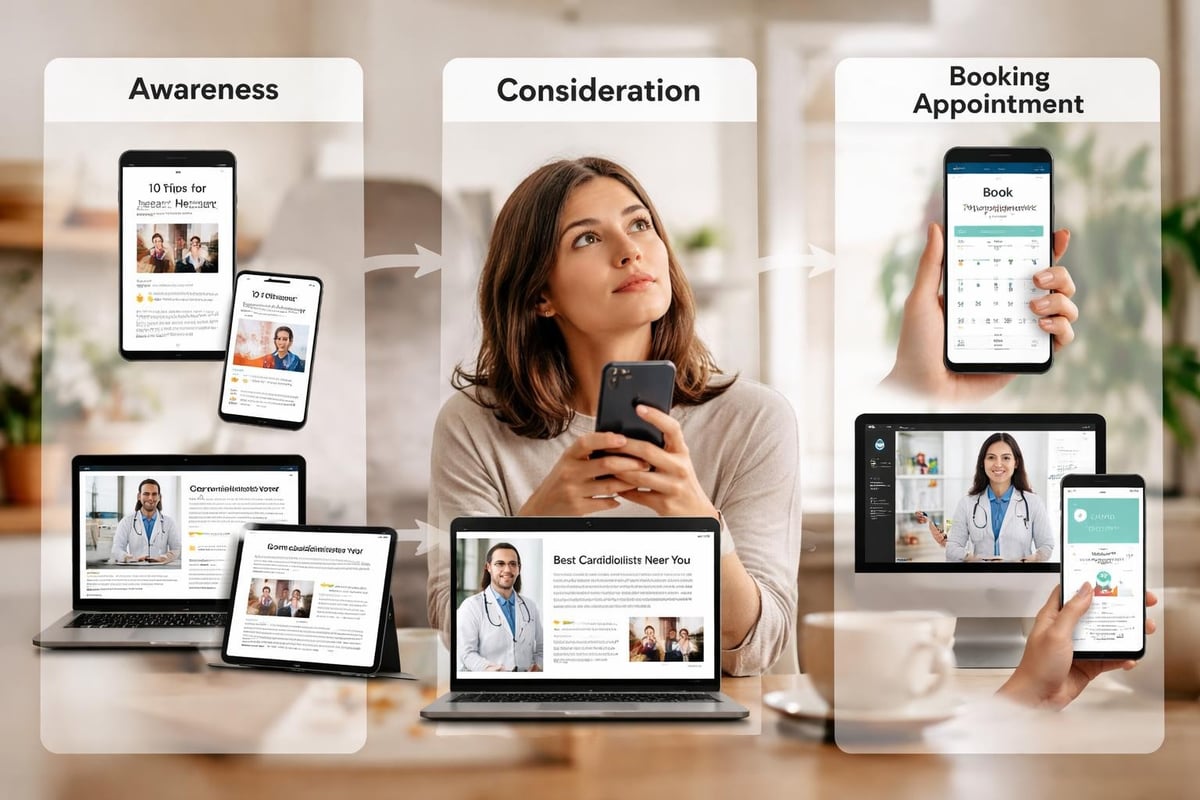
Key components of effective healthcare lead inbound systems include:
- Educational content addressing specific conditions and treatment options
- HIPAA-compliant data capture mechanisms
- Multi-channel nurture sequences respecting patient communication preferences
- Transparent pricing and outcome information reducing decision friction
- Social proof through patient testimonials and clinical success metrics
The distinction between lead inbound and outbound strategies becomes particularly important for specialized healthcare services. A compounding pharmacy targeting hormone replacement therapy patients benefits more from ranking for condition-specific searches than from cold calling potential patients. Similarly, medical spas attract higher-quality consultations through educational content about specific procedures than through generic advertising.
The Economics of Lead Inbound for Healthcare Providers
Healthcare providers investing in lead inbound systems recognize fundamentally different economics than practices relying solely on paid advertising. While paid channels deliver immediate visibility, they require continuous budget allocation and typically generate higher acquisition costs over time.
Lead inbound creates compounding returns through organic search rankings, content libraries, and authority building that continues attracting prospects long after initial creation. A comprehensive article about neuropathy treatment options written in 2026 can generate qualified wound care center leads for years, while a paid ad campaign stops producing results the moment budget allocation ends.
| Acquisition Channel | Average Cost Per Lead | Long-term Value | Control Level |
|---|---|---|---|
| Paid Search Ads | $150-$400 | Stops when budget ends | High (immediate) |
| Organic Search | $50-$120 | Compounds over time | Medium (builds gradually) |
| Social Media Ads | $100-$300 | Campaign dependent | High (immediate) |
| Content Marketing | $75-$200 | Increases with authority | Low (takes 6-12 months) |
The data reveals why balancing inbound and outbound marketing strategies creates optimal results for healthcare providers. Paid channels fill immediate pipeline needs while organic lead inbound builds sustainable competitive advantages.
Implementing Lead Inbound Systems That Convert Visitors to Patients
The technical infrastructure supporting lead inbound determines whether healthcare providers capture and convert anonymous website traffic into scheduled appointments. Most healthcare websites fail to identify 90% of visitors, missing opportunities to engage prospects showing clear purchase intent through their browsing behavior.
Advanced visitor identification technology transforms lead inbound performance by revealing which companies and individuals visit specific service pages, how long they engage with content, and what topics generate the strongest interest signals. For a telehealth provider, knowing that a visitor spent eight minutes reviewing thyroid treatment options represents actionable intelligence that enables personalized follow-up.
Speed-to-Lead Protocols for Healthcare
Healthcare lead inbound success depends critically on response timing. Prospects researching treatment options typically contact multiple providers, and the first practice to respond professionally often wins the patient relationship regardless of other competitive factors.
Research consistently demonstrates that operationalizing speed-to-lead protocols dramatically improves conversion rates. Healthcare providers responding within two minutes convert 391% more leads than those responding within five minutes. This creates substantial competitive advantages for practices implementing systematic response protocols.
Essential elements of high-performing response systems include:
- Automated lead routing to available team members
- Multi-channel outreach combining phone, email, and SMS
- CRM integration capturing complete interaction histories
- Pre-qualified screening questions identifying decision urgency
- Appointment scheduling capabilities within initial conversations
The implementation challenge lies not in understanding these principles but in executing them consistently. A wound care center receiving lead inbound inquiries at 7 PM on Friday needs systems ensuring prospects receive professional engagement regardless of timing, not automated messages promising Monday callbacks.

Content Strategies Driving Healthcare Lead Inbound
The content fueling lead inbound success for healthcare providers differs substantially from general marketing content. Prospects researching medical conditions seek specific, authoritative information addressing their unique circumstances rather than promotional material emphasizing practice credentials.
Effective healthcare content strategies balance educational value with conversion optimization. An article about peripheral neuropathy treatment options should genuinely help readers understand their condition while naturally guiding qualified prospects toward scheduling consultations with specialists offering appropriate treatments.
Topic Selection and Search Intent Alignment
Healthcare lead inbound content must align precisely with search intent at different awareness stages. Prospects early in their research journey search for symptom information and condition education, while those closer to treatment decisions search for provider comparisons and outcome expectations.
A men's health clinic building lead inbound systems should create content addressing both awareness-stage topics like "signs of low testosterone in men over 40" and decision-stage topics like "what to expect during testosterone replacement therapy consultation." This comprehensive approach captures prospects throughout their decision journey.
The strategic advantage comes from identifying underserved search opportunities where competitors provide insufficient information. Many healthcare providers focus exclusively on high-volume keywords while neglecting long-tail searches representing high-intent prospects. A search for "compounding pharmacy hormone pellet insertion near me" indicates significantly stronger purchase intent than generic "hormone replacement therapy" searches.
Authority Building Through Case Studies and Outcomes
Healthcare prospects evaluate providers based substantially on demonstrated expertise and verifiable outcomes. Lead inbound content incorporating specific case studies, treatment protocols, and outcome data builds credibility that generic educational content cannot match.
An orthopedic practice sharing detailed case studies about complex revision surgeries demonstrates specialized expertise that attracts high-value patients seeking advanced care. Similarly, an addiction treatment center publishing long-term recovery statistics builds trust with prospects and their families making critical treatment decisions.
The key lies in sharing specific, detailed information while maintaining patient privacy through proper de-identification and consent. Creating value-first content that prioritizes prospect education over self-promotion establishes authentic authority that converts significantly better than promotional messaging.
Technical Optimization for Lead Inbound Performance
The technical infrastructure supporting healthcare websites directly impacts lead inbound performance through page speed, mobile experience, and conversion pathway optimization. A veterinary medicine practice with exceptional content loses prospects if their website loads slowly or provides frustrating mobile experiences.
Core technical factors affecting healthcare lead inbound include:
- Page load speeds under 2.5 seconds for all key pages
- Mobile-responsive designs optimizing for smartphone research patterns
- Secure HTTPS protocols building trust for sensitive health information
- Structured data markup helping search engines understand content context
- Intuitive navigation reducing friction in conversion pathways
Beyond these foundational elements, advanced implementations incorporate progressive profiling that collects information across multiple interactions rather than demanding extensive form completion for initial engagement. A prospect may provide just their email for downloading a treatment guide, then add their phone number when scheduling a consultation, progressively building their profile while maintaining low initial friction.
Conversion Rate Optimization for Healthcare Forms
Healthcare lead inbound forms require careful optimization balancing information needs with conversion friction. Requesting excessive information upfront reduces completion rates, while collecting insufficient data prevents effective qualification and personalized follow-up.
Testing reveals that healthcare forms converting optimally typically request 3-5 fields for initial contact: name, email, phone number, primary concern, and preferred contact method. Additional qualifying questions can occur during follow-up conversations rather than creating barriers at initial engagement.
| Form Fields | Average Conversion Rate | Lead Quality Score | Follow-up Efficiency |
|---|---|---|---|
| 2-3 fields | 18.2% | 6.1/10 | Low |
| 4-5 fields | 12.8% | 8.3/10 | High |
| 6-8 fields | 7.4% | 8.9/10 | High |
| 9+ fields | 3.1% | 9.2/10 | Medium |
The data demonstrates the conversion versus qualification tradeoff. While 9+ field forms generate the highest quality leads, they convert at rates 83% lower than shorter forms. The optimal approach for most healthcare providers balances these factors through 4-5 field forms combined with strong follow-up qualification processes.
Lead Inbound Service Level Agreements and Quality Standards
Establishing clear service level agreements for inbound leads ensures consistent handling and prevents prospects from falling through gaps in follow-up processes. Healthcare organizations without defined SLAs frequently lose leads to competitors simply through inconsistent response protocols.
Effective SLAs specify maximum response times, required touch attempts, multi-channel engagement requirements, and lead disposition criteria. A medical spa implementing rigorous SLAs might commit to: initial response within 2 minutes, minimum five contact attempts across three channels within 24 hours, personalized voicemail and email messaging, and documented disposition notes for all leads regardless of conversion outcome.
These standards prevent the common scenario where motivated prospects submit inquiries but never receive professional follow-up because individual team members assumed someone else would handle the response. Clear SLA ownership and monitoring dashboards ensure accountability.

Lead Scoring for Healthcare Priorities
Not all lead inbound inquiries represent equal opportunity or urgency. Healthcare providers benefit from implementing lead scoring systems that prioritize responses based on demographic fit, behavioral signals, and engagement intensity.
A telehealth platform might assign higher scores to prospects who:
- Visited pricing pages multiple times
- Spent over five minutes on treatment information pages
- Completed partial forms before submitting inquiries
- Searched for provider-specific branded terms
- Accessed content during business hours suggesting immediate research
These behavioral signals indicate stronger purchase intent than passive content consumption, enabling teams to prioritize their limited time toward prospects most likely to convert. However, all leads deserve professional follow-up within established SLA parameters, with scoring determining sequence rather than whether engagement occurs.
Integration Between Lead Inbound and Patient Onboarding
The most sophisticated healthcare providers recognize that lead inbound extends beyond initial appointment scheduling into comprehensive patient onboarding that maximizes show rates and treatment acceptance. The handoff from marketing to patient coordination represents a critical conversion point where many practices lose momentum.
Effective integration requires shared CRM systems providing complete visibility into lead source, engagement history, expressed concerns, and previous interactions. When a patient coordinator contacts a prospect about their scheduled consultation, accessing complete context about which content attracted them, what questions they asked, and what outcomes interest them most enables personalized conversations that build confidence.
This integration becomes particularly important for healthcare services involving significant investment decisions. A prospect researching stem cell therapy for joint pain has invested substantial time and emotional energy into their decision process. Patient coordinators equipped with complete engagement histories can address specific concerns and reinforce the educational foundation already established through content.
Systematic Follow-Up Management
Healthcare lead inbound systems must account for longer decision cycles than many other industries. A prospect researching addiction treatment options for a family member may engage with content for weeks or months before feeling ready to schedule consultations. Systematic follow-up prevents these extended-timeline opportunities from becoming lost leads.
Automated nurture sequences should provide continued value through additional educational content, patient success stories, and treatment option updates while maintaining appropriate frequency that keeps practices top-of-mind without becoming intrusive. Best practices for inbound lead follow-up emphasize using digital body language to inform outreach strategy and timing.
A prospect who opened three consecutive emails about hormone replacement therapy but hasn't scheduled a consultation demonstrates continued interest requiring different engagement than someone who hasn't opened any communications in two weeks. Behavior-triggered sequences enable personalized nurture that respects individual decision timelines.
Measuring Lead Inbound Performance and ROI
Healthcare providers investing in lead inbound systems require clear performance metrics demonstrating return on investment and guiding optimization priorities. Vanity metrics like website traffic or social media followers provide insufficient insight into actual business impact.
Critical performance indicators for healthcare lead inbound include:
- Visitor-to-lead conversion rate measuring how effectively websites convert traffic into identifiable prospects
- Lead-to-appointment conversion rate tracking how many inquiries result in scheduled consultations
- Appointment show rate revealing how well pre-consultation engagement prepares patients
- Consultation-to-patient conversion rate measuring treatment acceptance after appointments
- Patient lifetime value calculating long-term revenue from lead inbound sources
- Cost per acquired patient comparing total investment against new patient volume
These metrics create complete visibility into funnel performance and identify specific optimization opportunities. A wound care center discovering strong visitor-to-lead conversion but weak appointment show rates should focus on improving pre-consultation engagement and reminder protocols rather than generating additional top-of-funnel traffic.
Attribution and Source Analysis
Understanding which lead inbound channels and content pieces drive the highest-quality patient acquisitions enables intelligent budget allocation and content strategy refinement. Multi-touch attribution reveals the complete journey prospects take rather than crediting only the final interaction before conversion.
A men's health clinic might discover that prospects typically engage with educational blog content about symptoms, then research treatment options through comparison guides, watch patient testimonial videos, and finally submit consultation requests after reviewing pricing information. This insight guides content investment toward the formats and topics driving actual conversions rather than just attracting traffic.
Advanced implementations track not just acquisition source but also patient quality metrics like treatment acceptance rates, average revenue per patient, and retention rates by original lead source. This reveals whether certain channels attract price-sensitive prospects while others generate patients more likely to pursue comprehensive treatment plans.
Case Study Applications and Real-World Results
Healthcare organizations implementing comprehensive lead inbound strategies document substantial performance improvements across key metrics. Inbound marketing case studies demonstrate how integrated approaches transform websites into lead-generating assets through strategic content, technical optimization, and systematic follow-up.
One orthopedic practice specializing in joint replacement procedures implemented a comprehensive lead inbound system incorporating condition-specific content, advanced visitor identification, and two-minute response protocols. Within six months, they increased identified website visitors from 10% to 64%, reduced cost per scheduled consultation by 43%, and improved appointment show rates from 62% to 81% through enhanced pre-consultation engagement.
The practice attributed these improvements to three key factors: creating detailed content addressing specific patient concerns at each decision stage, implementing technology that revealed which prospects visited which pages, and establishing systematic response protocols ensuring every inquiry received professional engagement regardless of submission timing.
Multi-Channel Lead Inbound Integration
The most effective healthcare lead inbound systems integrate multiple channels into cohesive strategies rather than treating each platform as isolated. B2B lead generation case studies reveal how coordinated approaches across organic search, social media, email marketing, and paid channels create synergistic results exceeding what any single channel delivers independently.
A telehealth platform serving multiple specialty areas implemented coordinated content across their website, LinkedIn presence, email newsletters, and targeted advertising. Blog content attracted organic search traffic, LinkedIn posts built authority and drove direct inquiries, email nurture sequences maintained engagement with prospects not yet ready to schedule, and retargeting ads re-engaged website visitors showing strong intent signals.
This integrated approach generated 340% more qualified leads than their previous paid-advertising-only strategy while reducing acquisition costs by 52%. The key insight: prospects rarely convert after single touchpoints, and coordinated multi-channel presence builds the cumulative trust and authority required for healthcare decision-making.
Advanced Lead Inbound Strategies for Specialized Healthcare Services
Specialized healthcare providers serving niche conditions or offering advanced treatment modalities require tailored lead inbound approaches addressing unique prospect concerns and longer consideration cycles. A compounding pharmacy offering customized hormone formulations attracts different prospects through different content than a general medical practice.
These specialized strategies often incorporate:
- Highly technical content demonstrating deep expertise in specific conditions
- Detailed treatment protocol explanations reducing uncertainty about novel approaches
- Comprehensive outcome data addressing efficacy questions for unfamiliar treatments
- Insurance and payment information specific to specialized services
- Provider credential details establishing qualifications for advanced procedures
The goal extends beyond attracting high volumes of general inquiries to generating smaller numbers of highly qualified prospects genuinely seeking the specialized services offered. A wound care center focusing on advanced modalities like hyperbaric oxygen therapy benefits more from attracting 20 prospects specifically researching HBOT than 200 general wound care inquiries.
Geographic Targeting for Multi-Location Healthcare Systems
Healthcare franchise systems and multi-location provider networks face additional lead inbound complexity around geographic targeting and local market optimization. A medical spa franchise with 15 locations needs systems ensuring prospects find location-specific information while maintaining consistent brand messaging.
Effective geographic strategies incorporate location-specific landing pages optimized for local search terms, Google Business Profile optimization for each location, locally relevant content addressing regional patient concerns, and routing systems directing leads to appropriate locations based on prospect geography. This localization improves both search visibility and conversion rates by providing immediately relevant information.
Technology platforms enabling centralized content management while supporting location-specific customization create efficiency for multi-location systems. Franchise operators can leverage corporate-created educational content while adding location details, provider bios, and local testimonials that personalize the experience for their specific markets.
Mastering lead inbound strategies requires healthcare providers to balance technical optimization, content excellence, and systematic execution across the complete patient journey from initial awareness through successful treatment outcomes. The organizations that commit to building comprehensive systems rather than implementing isolated tactics create sustainable competitive advantages that compound over time. RevSpark Media specializes in implementing complete lead inbound solutions for healthcare providers and franchise systems, combining proprietary visitor identification technology with pre-sales development teams that ensure every prospect receives professional engagement within two minutes, transforming anonymous website traffic into scheduled appointments and long-term patient relationships.