
Connected TV advertising has transformed how healthcare providers reach prospective patients in their homes, offering precision targeting that traditional broadcast television could never deliver. As more consumers abandon cable subscriptions for streaming services, healthcare marketers now have unprecedented opportunities to place their messages in front of highly qualified audiences during premium content. Understanding what is connected TV advertising provides a foundation for exploring the practical applications that healthcare organizations are implementing today. These connected tv advertising examples demonstrate how medical practices, telehealth providers, and specialty clinics convert viewers into scheduled appointments through strategic placement and compelling creative.
Streaming Platform Video Advertisements
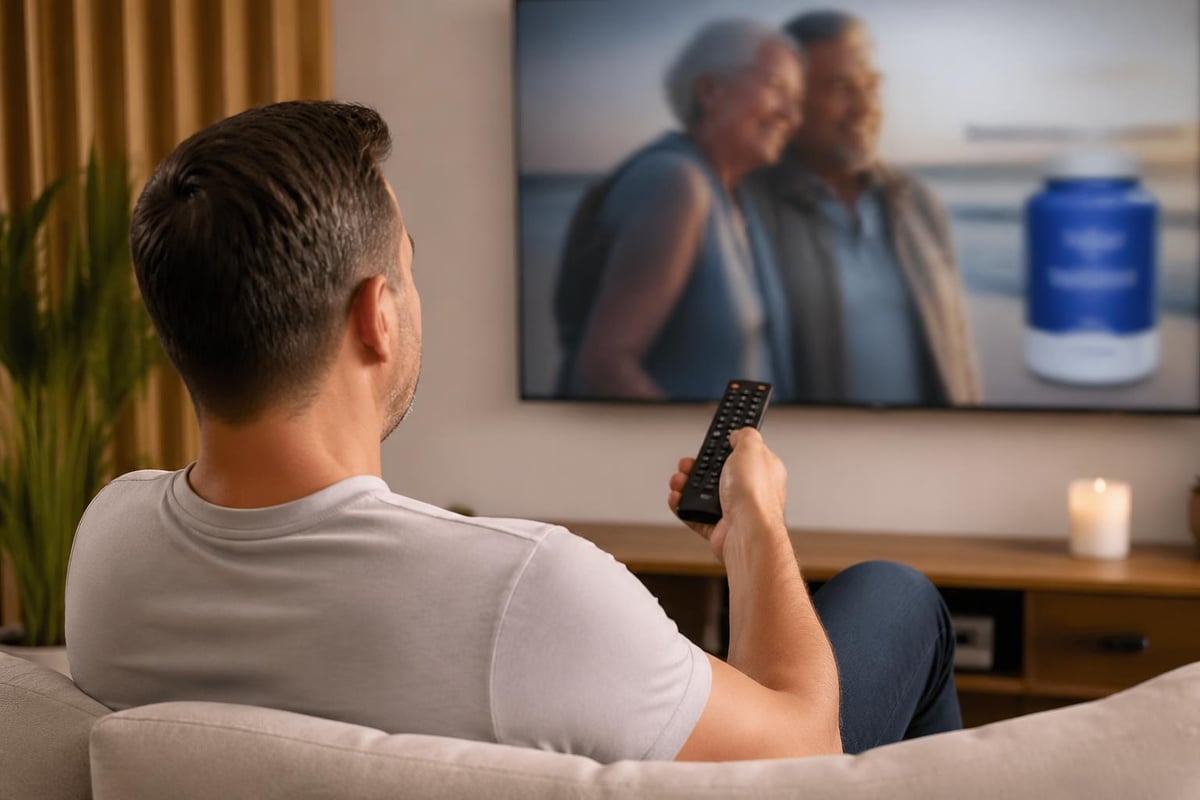
The most common connected tv advertising examples appear as non-skippable video spots on platforms like Hulu, Paramount+, and Peacock. These advertisements typically run 15 to 30 seconds and display during natural content breaks, similar to traditional television commercials but with far superior targeting capabilities.
Healthcare providers leverage demographic, geographic, and behavioral data to ensure their advertisements reach relevant audiences. A men's health clinic can target males aged 35-65 within a specific metropolitan area who have shown interest in wellness content. A compounding pharmacy specializing in hormone replacement therapy might focus on women aged 45-60 in designated zip codes.
Platform-Specific Opportunities
Different streaming services offer unique advantages for healthcare marketers:
- Hulu: Provides extensive targeting options and reaches 48 million households, with strong representation across all age demographics
- Paramount+: Delivers access to sports viewers and premium content audiences with higher engagement rates
- Discovery+: Connects with health-conscious viewers already interested in wellness and lifestyle content
- Peacock: Offers competitive pricing with access to NBC's premium programming and live events
Medical spas have found particular success on lifestyle-focused platforms where audiences already demonstrate interest in beauty and wellness topics. Orthopedic practices schedule campaigns around major sporting events where injury-related messaging resonates naturally with active viewers.
Interactive Overlay Advertisements
Interactive connected tv advertising examples represent the next evolution beyond passive video viewing. These formats allow viewers to engage directly with healthcare brands through their remote controls, requesting more information or scheduling consultations without leaving their streaming experience.
Addiction treatment centers have implemented interactive overlays that enable concerned family members to request immediate callback appointments while watching relevant content. The viewer simply clicks a button on their remote, enters basic contact information through an on-screen form, and receives outreach within minutes.
| Interactive Format | Healthcare Application | Typical Conversion Rate |
|---|---|---|
| QR Code Overlays | Telehealth consultations | 3-7% scan rate |
| Click-to-Schedule | Medical spa appointments | 5-9% engagement |
| Information Request | Franchise opportunities | 4-8% form completion |
| Phone Click-Through | Urgent care services | 6-11% call initiation |
Veterinary practices use interactive formats during pet-focused programming, allowing owners to schedule wellness exams or request pharmaceutical information. The immediate response capability aligns perfectly with healthcare's need for timely patient engagement.
Addressable Television Campaigns
Addressable connected tv advertising examples demonstrate the power of household-level targeting that healthcare providers need to maximize return on investment. Unlike traditional broadcast advertising where every household watching a program sees the same commercial, addressable advertising delivers different messages to different households based on specific criteria.
A wound care center network might deliver specialized messaging to households where residents are aged 65 and older, focusing on diabetic ulcer treatment and Medicare coverage. Simultaneously, a medical spa in the same market delivers anti-aging and aesthetic procedure messaging to affluent households with residents aged 35-55.
Household-Level Precision
This granular targeting extends beyond basic demographics. Healthcare marketers layer multiple data points:
- Geographic proximity: Households within a 15-mile radius of clinic locations
- Income levels: Matching service pricing with household income brackets
- Previous healthcare behavior: Targeting based on prescription fills or medical visits
- Life stage indicators: New homeowners, recent parents, or recent retirees
Women's health clinics implementing addressable campaigns have achieved cost-per-appointment metrics 40-60% lower than traditional advertising by eliminating waste and focusing budget exclusively on qualified households. The beginner’s guide to CTV advertising explains how these targeting mechanisms function within modern advertising platforms.
Programmatic Pause Advertisements
Among the most innovative connected tv advertising examples, programmatic pause ads appear when viewers pause their content. Fubo’s launch of programmatic pause ads marked a significant advancement in this format, offering healthcare advertisers premium placement during high-attention moments.
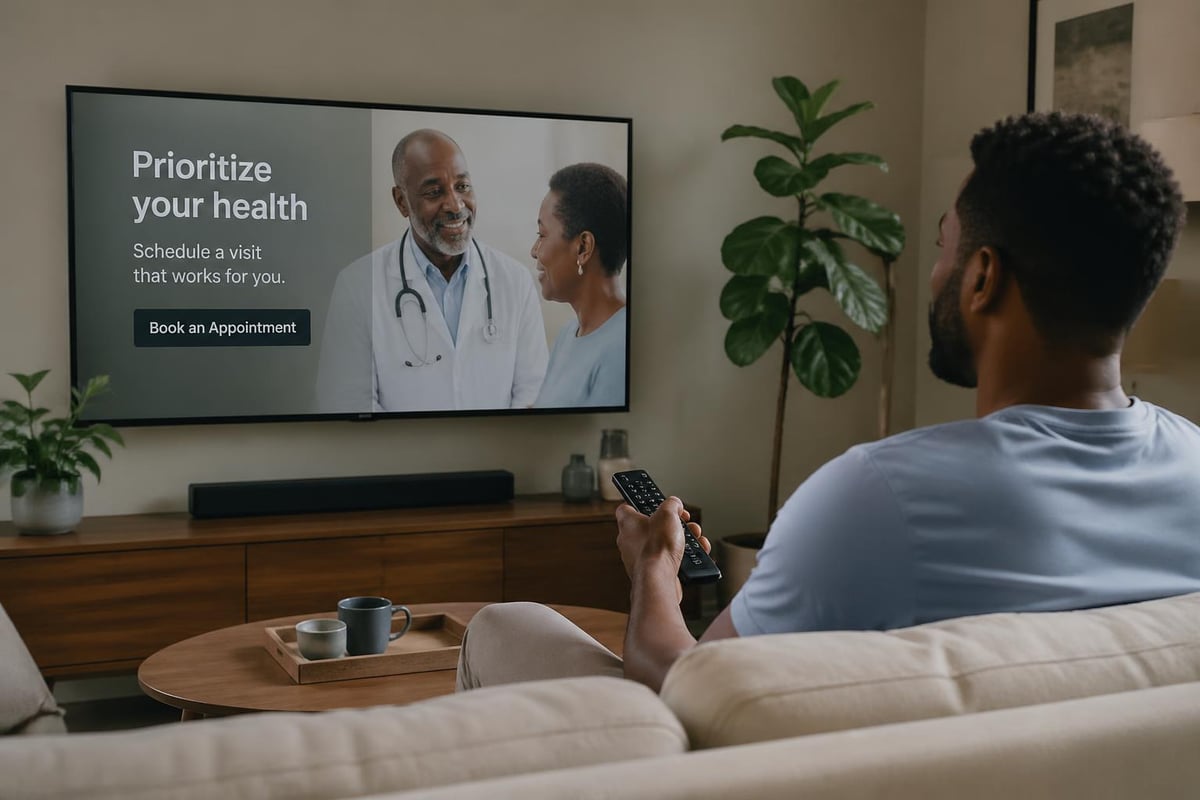
When a viewer pauses their show to answer the door or check their phone, a static or animated advertisement appears on screen. Healthcare providers benefit from extended exposure time since the advertisement remains visible as long as content stays paused, sometimes several minutes.
Men's health clinics use pause ads featuring simple messaging about testosterone therapy or erectile dysfunction treatment with clear calls-to-action. The format works particularly well for sensitive healthcare topics where viewers appreciate privacy and control over when they engage with the message.
Banner and Display Overlay Formats
Not all connected tv advertising examples require full-screen video. Banner advertisements and display overlays appear as smaller elements on screen during content or on platform home screens, offering cost-effective alternatives to premium video placements.
Compounding pharmacies use banner ads on health and wellness streaming channels, displaying rotating messages about custom medication solutions. These banners remain visible for 10-15 seconds without interrupting the viewing experience, building brand awareness through repeated exposure.
Telehealth providers have found success with home screen placements on smart TV interfaces. When users open their streaming device, branded tiles appear alongside content recommendations, promoting same-day virtual appointments or specialized consultations.
Sequential Messaging Campaigns
Sophisticated connected tv advertising examples employ sequential messaging strategies where viewers receive different advertisements based on their position in the customer journey. Healthcare marketers use this approach to move prospects from awareness through consideration to appointment booking.
A pharmaceutical distribution franchise system might structure their campaign across three phases:
Phase 1 – Awareness: General messaging about franchise opportunities in healthcare distribution
Phase 2 – Consideration: Detailed benefits of the franchise model, testimonials from existing franchisees
Phase 3 – Conversion: Limited-time incentives with direct response mechanisms for requesting franchise information
The campaign tracks which households have seen which advertisements, ensuring logical progression and preventing message fatigue. Medical practices applying this methodology report 35-50% higher appointment conversion rates compared to single-message campaigns.
Geofencing and Location-Based Targeting
Location-based connected tv advertising examples allow healthcare providers to target households in specific geographic areas with incredible precision. This capability proves particularly valuable for practices with multiple locations or those entering new markets.
Orthopedic groups opening new facilities geofence a five-mile radius around the location, delivering announcements about the new practice to every household in that area. The messaging includes specific directions, parking information, and introductory offers to drive initial appointments.
Competitive Conquest Strategies
Advanced healthcare marketers implement conquest campaigns targeting households near competitor locations:
- Target homes within walking distance of competing urgent care centers
- Schedule campaigns during hours when competitors experience wait times
- Emphasize differentiators like shorter wait times or extended hours
- Track foot traffic to measure campaign effectiveness
Wound care centers have successfully used these tactics to capture patients currently visiting hospital-based wound clinics, promoting specialized expertise and dedicated facilities.
Retargeting Website Visitors
Connected tv advertising examples increasingly incorporate retargeting strategies that follow website visitors from digital channels to their television screens. When someone visits a healthcare provider's website but doesn't schedule an appointment, they can be retargeted with CTV advertisements reinforcing the initial message.
This cross-channel approach proves particularly effective for high-consideration healthcare services. A family researching addiction treatment options online sees complementary messaging on their television that evening, maintaining top-of-mind awareness during the decision-making process.
The integration of smart TV advertising platforms enables this sophisticated audience matching, connecting digital behaviors with CTV delivery at scale.
Dayparting and Behavioral Timing
Strategic connected tv advertising examples demonstrate the importance of when advertisements appear, not just where. Healthcare providers schedule campaigns around viewing patterns that align with patient demographics and service types.
Telehealth providers promoting virtual consultations concentrate budget during evening hours when working professionals are home and most likely to schedule appointments. Women's health clinics advertising aesthetic procedures focus on weekend afternoons when decision-makers have time to research and discuss options with family members.
| Service Type | Optimal Daypart | Target Audience | Conversion Lift |
|---|---|---|---|
| Urgent Care | 6PM – 10PM weekdays | Working adults | +42% |
| Medical Spa | Weekend afternoons | Affluent women 35-55 | +38% |
| Men's Health | Late evening 10PM – 12AM | Men 40-65 | +51% |
| Addiction Treatment | All hours, emphasis overnight | Concerned family members | +33% |
Veterinary practices schedule campaigns around morning and evening hours when pet owners are home and more likely to notice health concerns in their animals.
Direct Response CTV Campaigns
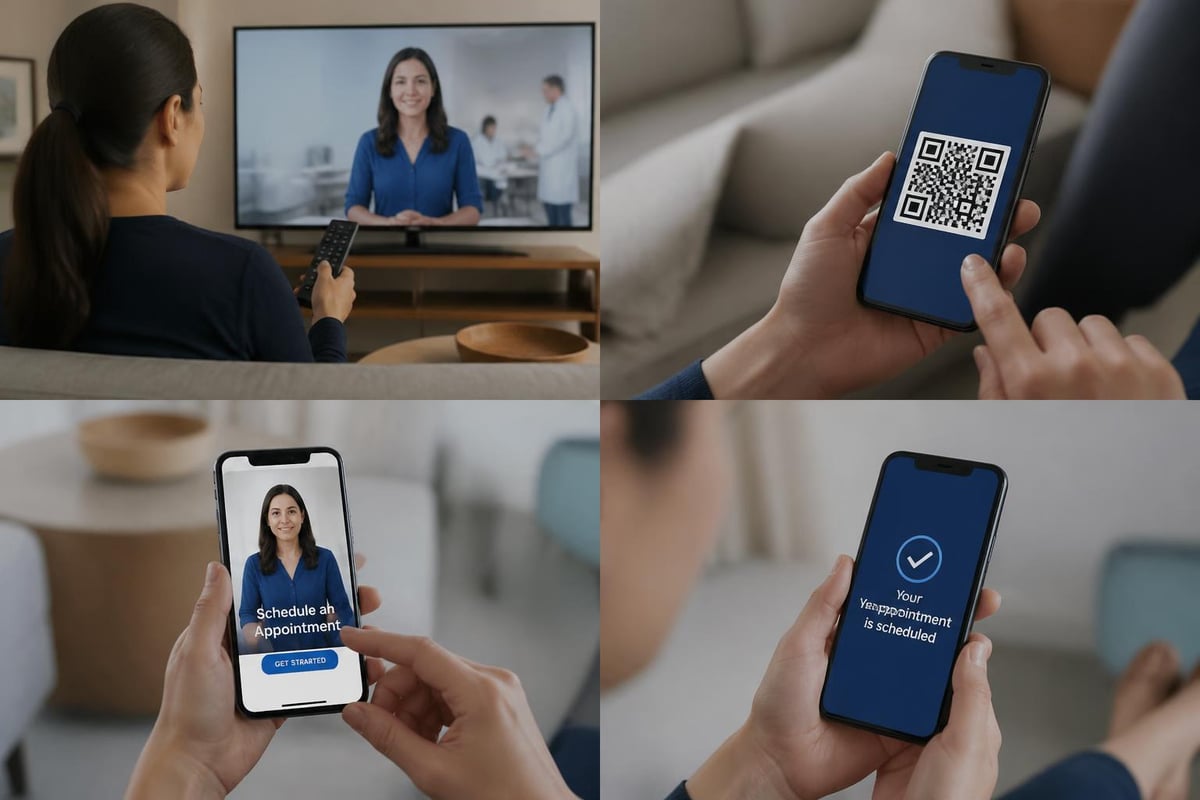
The most performance-driven connected tv advertising examples incorporate direct response mechanisms that generate immediate action. Healthcare providers use prominent phone numbers, text-to-schedule options, and scannable QR codes that drive instant engagement.
Medical spa campaigns feature QR codes allowing viewers to scan with their smartphones and immediately access online booking systems. The advertisement might offer a limited-time consultation discount, creating urgency while the viewer is engaged.
Addiction treatment centers use trackable phone numbers that route to specialized intake counselors trained in CTV campaign messaging. When a call comes in, the team knows exactly which advertisement prompted the response and tailors their conversation accordingly.
Franchise Development Campaigns
Healthcare franchise systems leverage connected tv advertising examples specifically designed to recruit franchise partners rather than patients. These campaigns target households with specific income levels, net worth indicators, and entrepreneurial interests.
Pharmaceutical distribution franchises showcase the business opportunity during financial news programming and entrepreneurial content. The advertisements emphasize investment requirements, revenue potential, and support systems, driving qualified prospects to information sessions.
Multi-Touch Attribution
Successful franchise campaigns implement multi-touch attribution tracking:
- Initial CTV advertisement exposure builds awareness
- Retargeting on connected devices reinforces messaging
- Email nurture sequences provide detailed information
- Personal outreach from development team closes the opportunity
- CTV receives appropriate credit in the conversion path
Service-based franchise systems have measured CTV's contribution to franchise sales, finding that prospects exposed to connected TV advertisements convert 28% more frequently than those without CTV exposure.
Healthcare Education Series
Long-form connected tv advertising examples take the form of educational content that provides value while building trust. Healthcare providers sponsor or create streaming content that addresses patient concerns, positions the practice as an authority, and generates appointment requests.
Telehealth providers produce 5-10 minute educational segments about managing chronic conditions remotely, featuring their physicians and showcasing their platform capabilities. These segments stream on health-focused channels and platforms, offering genuine value while introducing the service.
Compounding pharmacies create content explaining how custom medications address unique patient needs that mass-produced pharmaceuticals cannot. The educational approach resonates with informed patients seeking personalized healthcare solutions.
Cross-Platform Measurement and Attribution
Advanced connected tv advertising examples incorporate sophisticated measurement frameworks that track the full patient journey from advertisement exposure to appointment completion. Healthcare marketers use pixel-based tracking, matched household data, and call tracking to understand CTV's role in patient acquisition.
The measurement of smart TV advertising and tracking has evolved significantly, enabling healthcare organizations to justify CTV budget allocations with concrete ROI data. Practices implementing comprehensive measurement report that CTV-influenced patients demonstrate 22% higher lifetime values than patients from other channels.
Attribution Windows and Models
Healthcare-specific attribution requires longer windows than typical retail campaigns:
- Urgent care: 7-14 day attribution window
- Elective procedures: 30-60 day attribution window
- Franchise development: 90-180 day attribution window
- Addiction treatment: 14-30 day attribution window
Multi-touch attribution models distribute credit across all touchpoints, recognizing CTV's role in awareness while valuing direct response channels for conversion.
Platform Integration and Ecosystem Approaches
The most sophisticated connected tv advertising examples integrate CTV into broader marketing ecosystems rather than treating it as an isolated channel. Healthcare providers synchronize messaging across connected TV, social media, search, and traditional media for maximum impact.
When broadcasters expand programmatic capabilities and embrace content monetization through OTT platforms, healthcare marketers gain access to unified buying platforms that simplify campaign management.
Orthopedic groups run coordinated campaigns where CTV builds awareness, search captures active shoppers, and social media provides social proof through patient testimonials. The integrated approach generates 40-65% more appointments than channel-isolated strategies.
Understanding various CTV advertising formats and platforms helps healthcare marketers select the optimal mix for their specific patient acquisition goals. Medical practices serving diverse patient populations require multi-format strategies that reach audiences across different streaming behaviors and device preferences.
Budget Allocation and Testing Strategies
Healthcare organizations new to connected TV advertising should approach budget allocation strategically, testing multiple connected tv advertising examples before scaling investment. Starting with 10-15% of digital media budget allows for meaningful testing while limiting risk.
Initial campaigns should test variables systematically:
- Different creative messages and lengths
- Various targeting parameters and audience segments
- Multiple platforms and inventory types
- Diverse calls-to-action and response mechanisms
- Alternative dayparting and frequency strategies
Medical spas might allocate initial CTV budget across three creative variations, two platform types, and four audience segments, creating 24 test cells. After four weeks, performance data indicates which combinations generate the lowest cost-per-appointment, informing budget reallocation decisions.
Connected TV advertising provides healthcare providers with powerful tools to reach prospective patients during premium content with precise targeting and measurable results. These connected tv advertising examples demonstrate the diverse formats and strategies available to practices seeking efficient patient acquisition. Whether you're operating a medical spa, compounding pharmacy, telehealth service, or franchise system, RevSpark Media combines CTV advertising with proprietary visitor identification technology and dedicated pre-sales teams to convert media impressions into scheduled appointments and revenue growth. Our comprehensive approach ensures that your advertising investment generates qualified leads and our team converts them into patients with systematic follow-up and 2-minute response times.