
Many business leaders still confuse advertising, marketing, and branding, making it tough to choose the right growth strategies. In 2026, understanding the differences between an ad in marketing and branding is more crucial than ever for achieving sustainable growth and standing out in a crowded market.
This article will break down the key distinctions between ad in marketing and branding, clarify their unique roles, and reveal how they work together for business success. You will discover clear definitions, core objectives, effective tactics, measurement methods, and real-world examples. Ready for actionable clarity? Read on for practical insights.
Understanding Advertising in Marketing
In today's fast-evolving business climate, the role of ad in marketing is more significant than ever. Advertising serves as a powerhouse within the marketing mix, allowing brands to reach wide audiences with precision and control. Yet, many organizations still confuse advertising with other marketing functions, leading to missed opportunities and inefficiencies.

Defining Advertising in the Marketing Mix
Advertising is a paid, non-personal communication that businesses use to promote products, services, or ideas. Within the marketing mix, ad in marketing stands apart due to its level of control over the message, timing, and reach. Brands invest in various forms of advertising, including traditional channels like television, radio, print, and outdoor billboards, as well as digital formats such as search engine ads, social media, display banners, and mobile campaigns.
The landscape of advertising is rapidly shifting toward digital. In fact, global ad spend is projected to surpass $900 billion by 2026, reflecting the increasing importance of digital platforms for reaching consumers (Global ad spend forecast). This surge is driven by the ability of ad in marketing to create immediate awareness and prompt action, whether it's encouraging a website visit or a purchase.
For example, a healthcare clinic might launch a Google Ads campaign targeting local patients searching for urgent care. This approach enables the clinic to appear at the top of relevant search results, capturing high-intent audiences and driving appointments quickly.
It's important to distinguish advertising from other promotional tactics in the marketing mix:
| Promotion Tactic | Control Level | Cost Structure | Communication Style |
|---|---|---|---|
| Ad in marketing | High | Paid | One-way, controlled |
| Public Relations (PR) | Low | Earned | Two-way, organic |
| Sales Promotions | Medium | Variable | Incentive-driven |
| Direct Marketing | High | Paid | Personalized, targeted |
Legal and ethical considerations are also central to ad in marketing. Advertisers must comply with truth-in-advertising laws, adhere to FTC guidelines, and ensure that claims are substantiated. Failure to do so can result in reputational damage and regulatory penalties.
Objectives and Strategies of Advertising
The core objectives of ad in marketing are clear: drive sales, generate leads, increase website traffic, and launch new products or services. Each campaign is designed with specific goals in mind, which shape the overall strategy and tactical execution.
A successful ad in marketing campaign begins with audience targeting. Marketers segment audiences based on demographics, psychographics, and behavioral data to ensure the right message reaches the right people. Consistency in messaging and creative development is crucial, as it helps reinforce brand identity while maximizing campaign impact.
Planning and execution are at the heart of every advertising strategy. Marketers must decide on the optimal mix of channels, manage budgets, and coordinate media buying and ad placements for maximum exposure. For instance, a pharmacy franchise might leverage Facebook Ads to promote a seasonal flu shot offer, using targeted ads to reach families and seniors in their local area.
Effectiveness is measured through key metrics such as reach, impressions, click-through rates (CTR), and conversions. These data points allow businesses to assess the return on their ad in marketing investments and refine future campaigns for better results.
In summary, advertising is a dynamic, results-driven part of the marketing mix. By understanding its unique characteristics, businesses can harness the full power of ad in marketing to achieve growth and build lasting customer relationships.
What Is Branding?
Branding is more than a logo or a catchy slogan. In the context of ad in marketing, branding shapes how people perceive a business and feel about its products or services. It is a strategic process that builds identity, trust, and emotional connection over time.
Branding sets the stage for every ad in marketing by providing meaning and consistency. While advertising delivers targeted messages, branding defines the character behind those messages.

The Essence of Branding
At its core, branding is the art and science of shaping perceptions. It brings together visual elements like name, logo, and colors with less tangible assets such as voice, mission, and values.
Unlike ad in marketing, which is campaign-focused and transactional, branding creates an enduring story. The goal is to form a memorable identity in the minds of customers.
Consider Apple. Its branding is not just about sleek devices; it is about innovation, community, and a premium experience. This emotional resonance is what sets branding apart from ad in marketing, where the focus is often short-term.
Branding is intangible, but its effects are powerful. A strong brand identity can command higher prices, foster loyalty, and inspire advocacy. This process is ongoing, evolving as the business grows.
Branding Objectives and Tactics
The main objectives of branding are to build recognition, trust, and differentiation, which ultimately drive customer loyalty. While ad in marketing may focus on quick wins, branding looks for deep, lasting relationships.
Tactics include storytelling, delivering exceptional customer experiences, maintaining consistent messaging across all touchpoints, and investing in compelling visual design. Authenticity is at the heart of successful branding. A brand promise must be believable and consistently delivered.
For example, a medical spa that uses calming colors, gentle language, and thoughtful service design creates a trustworthy and relaxing brand image. Such efforts can translate into measurable results. In fact, brands with strong identities see up to 23% higher revenues, showing the tangible impact of branding compared to ad in marketing.
Branding Impact and Advocacy
Branding’s influence extends far beyond a single campaign. Effective brand management is an ongoing process, requiring regular evaluation and adaptation.
A well-crafted brand builds a loyal customer base that not only returns but also becomes brand ambassadors. These advocates share positive experiences, recommend the business, and defend the brand in public forums.
In a world where ad in marketing can easily be tuned out, branding provides the foundation for lasting market presence, credibility, and sustainable growth.
Key Differences Between Advertising and Branding
In today’s competitive landscape, understanding the fundamental distinctions between ad in marketing and branding is essential for building a resilient business. Although these disciplines often overlap, their purposes, strategies, and impacts diverge in critical ways. Let’s break down the most important differences to help you make informed decisions for your organization.
Purpose and Time Horizon
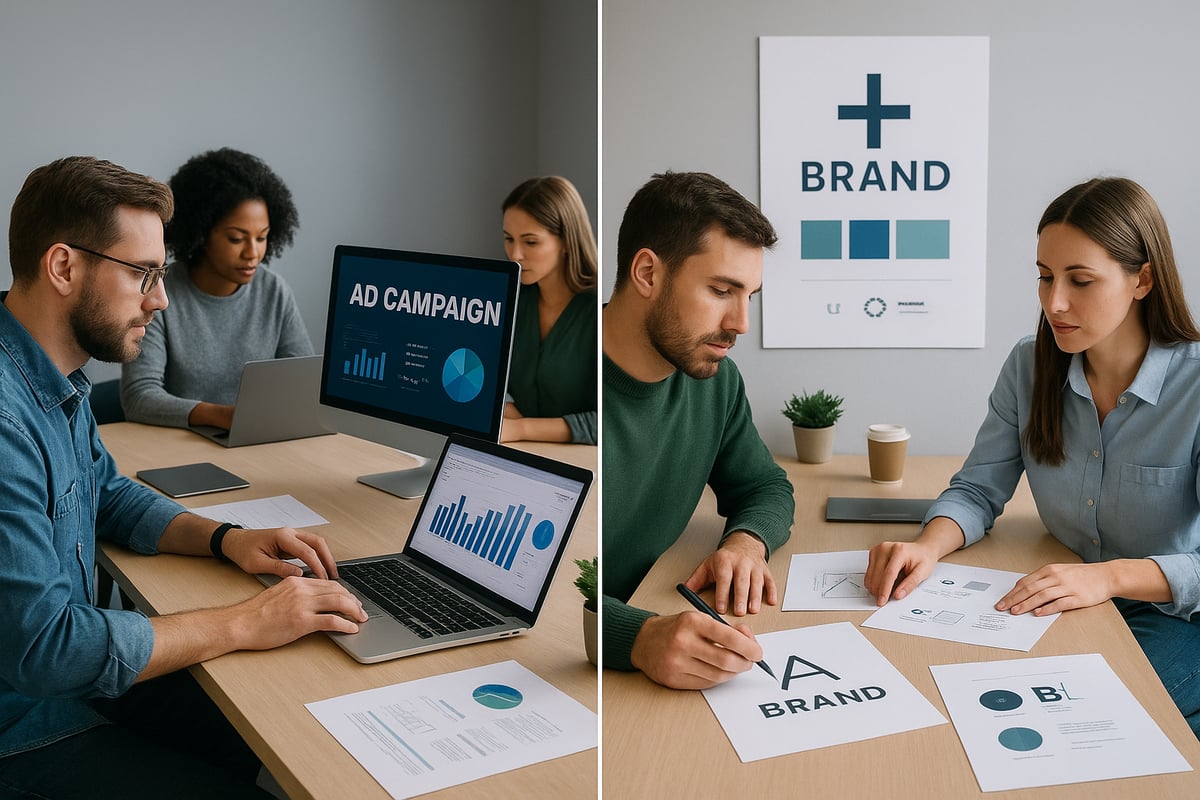
The primary difference between ad in marketing and branding is their focus over time. Ad in marketing is campaign-driven and seeks immediate results. For example, a company might launch a one-week promotion to boost product sales or drive website traffic. These efforts are designed to produce quick, measurable outcomes.
Branding, in contrast, is a long-term commitment. It shapes how customers perceive your business over months and years. Consider a multi-year brand repositioning effort, which aims to shift public perception and foster lasting loyalty. While ad in marketing delivers instant visibility, branding establishes a foundation of trust and recognition that endures.
In practice, organizations often balance these priorities to achieve sustainable growth. A robust strategy leverages the fast impact of ad in marketing while investing in the slow, steady power of branding.
Message and Communication Style
Ad in marketing typically uses direct, persuasive language to capture attention and prompt immediate action. Campaigns often include clear calls-to-action, such as “Sign Up Now” or “Buy Today.” The goal is to convert interest into measurable engagement as quickly as possible.
Branding, on the other hand, relies on storytelling and emotional resonance. The messaging is subtle and narrative-driven, focusing on core values, mission, and the unique identity of the business. Instead of urging a purchase, branding communicates why the company exists and what it stands for.
For example, compare a pharmacy’s Facebook ad offering a seasonal discount (“Get your flu shot today!”) with its broader brand story about caring for community wellness. Both play critical roles, but their communication styles and objectives are distinct.
Metrics and Measurement
Measurement is where ad in marketing and branding diverge most obviously. Ad in marketing is evaluated through quantitative metrics, such as clicks, impressions, conversions, and return on ad spend. These numbers provide immediate feedback on the effectiveness of each campaign.
Branding success is more qualitative. It is tracked with metrics like brand awareness, customer sentiment, loyalty, and Net Promoter Score. These indicators reflect the depth of customer relationships and the strength of your brand identity.
Data from recent studies shows that 89 percent of marketers track ad ROI on a monthly basis, while only 54 percent monitor brand health annually. This gap highlights the challenge of evaluating branding, but it also underscores its long-term value.
Audience Engagement and Touchpoints
The way audiences interact with ad in marketing is different from their engagement with branding. Ad in marketing often involves one-way communication, where messages are broadcast to a broad or segmented audience. The focus is on reach and frequency, aiming to capture attention at key moments.
Branding is about two-way interaction and community building. It creates experiences that invite feedback, foster loyalty, and encourage advocacy. For example, while a social media ad might introduce a new service, a brand-led community event builds deeper relationships and trust.
Successful businesses understand that both approaches are necessary. Ad in marketing brings people in, while branding keeps them coming back.
Cost and Resource Allocation
Ad in marketing requires ongoing financial investment to maintain visibility. Budgets are allocated for each campaign, covering media buying, creative production, and placement. Without continuous spending, results taper off quickly.
Branding, by comparison, demands significant upfront investment in strategy, design, and messaging. However, its value accumulates over time, delivering returns through increased loyalty and recognition. This cumulative effect is especially powerful for franchises and multi-location businesses. For a deeper look at how branding and ad in marketing together drive business growth, see this resource on franchise growth through branding.
Here’s a summary table to clarify these key differences:
| Aspect | Ad in Marketing | Branding |
|---|---|---|
| Time Horizon | Short-term, campaign-based | Long-term, ongoing |
| Message Style | Direct, action-focused | Narrative, value-driven |
| Metrics | Clicks, conversions, ROI | Awareness, loyalty, sentiment |
| Engagement | One-way, broad/targeted | Two-way, experiential |
| Cost Structure | Ongoing spend | Upfront, cumulative value |
By understanding these distinctions, you can craft a balanced approach that maximizes both immediate results and lasting brand equity.
How Advertising and Branding Work Together
In a crowded marketplace, the synergy between ad in marketing and branding is more vital than ever. While each discipline serves a unique purpose, their true potential emerges when they work seamlessly together. Businesses that master this integration can drive both immediate results and long-term growth.
The Synergy of Ad in Marketing and Branding
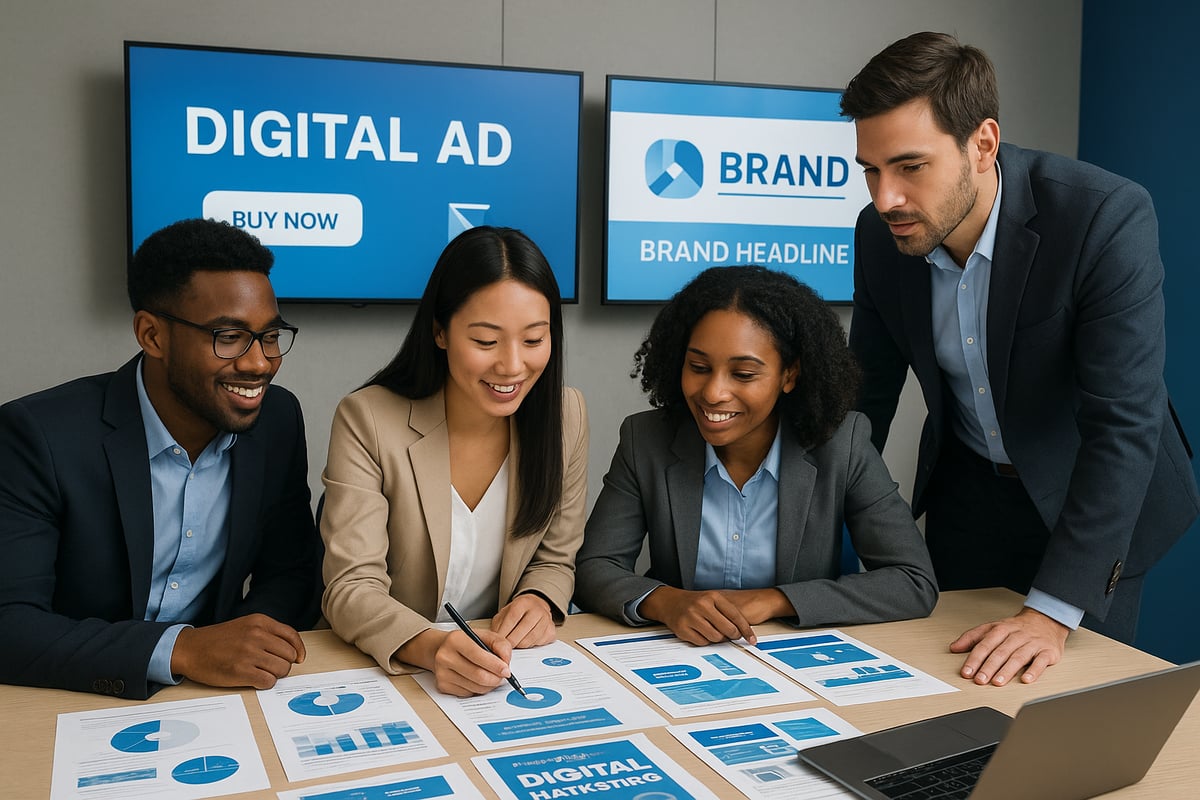
Advertising amplifies your brand’s message, ensuring it reaches the right people at the right time. Branding, on the other hand, creates the foundation of trust and recognition that makes your ads more effective. When ad in marketing reflects your brand’s core values and voice, every campaign becomes more memorable and impactful.
Consider a telehealth provider that runs digital ads promising accessible care. If the ad in marketing aligns perfectly with the brand’s reputation for reliability and compassion, prospects are more likely to engage. However, if there is a mismatch in tone or message, confusion arises, and potential customers may lose trust.
Research shows that brands with consistent messaging across both advertising and branding enjoy 3.5 times higher visibility compared to those with fragmented strategies. Ensuring unity between these efforts is not just a best practice, but a competitive necessity.
Navigating the Customer Journey Together
The interplay between ad in marketing and branding is evident at every stage of the customer journey:
- Awareness: Advertising grabs attention, while branding leaves a memorable impression.
- Consideration: Ads provide information and offers, but branding builds trust and credibility.
- Decision: Advertising nudges action, yet branding alleviates anxiety and reinforces value.
- Loyalty: Branding nurtures long-term relationships, with ad in marketing supporting retention and upsell campaigns.
This collaboration ensures that even after a successful ad in marketing campaign, customers remain connected through an ongoing brand relationship.
Real-World Integration: Lessons from Industry Leaders
Top brands like Nike and Mayo Clinic exemplify how ad in marketing and branding can drive exponential growth when strategically aligned. For instance, Nike’s campaigns are instantly recognizable because they stay true to the brand’s ethos of empowerment and innovation.
In healthcare, local franchises and clinics have found success by integrating their brand promise into every ad in marketing effort. For a practical example, see how compounding pharmacies combine targeted advertising with a strong brand identity to build lasting trust and attract new patients in competitive markets by reviewing this compounding pharmacy marketing success story.
A simple table summarizes how these elements complement each other:
| Element | Advertising Role | Branding Role |
|---|---|---|
| Awareness | Generate leads | Create recognition |
| Consideration | Highlight offers | Build credibility |
| Decision | Drive action | Reduce anxiety |
| Loyalty | Retain customers | Foster advocacy |
Achieving Strategic Alignment for 2026
To thrive in 2026, organizations must ensure that every ad in marketing campaign supports and reinforces their brand identity. This requires close collaboration between creative, strategy, and analytics teams.
Avoid the pitfall of treating advertising and branding as separate silos. Instead, review every campaign for message consistency and alignment with long-term brand goals. When ad in marketing and branding work in harmony, businesses enjoy higher engagement, stronger loyalty, and a sustainable competitive edge.
Measuring Success: Advertising vs. Branding KPIs
Measuring the effectiveness of ad in marketing and branding efforts is essential for sustainable business growth. Clear KPIs help organizations understand what’s working, justify budgets, and refine strategies. Yet, the path to accurate measurement differs for advertising and branding.
Advertising KPIs
Advertising KPIs provide tangible, immediate insights into the impact of ad in marketing campaigns. These metrics focus on user actions and financial efficiency. The table below summarizes the most common advertising KPIs:
| KPI | Description |
|---|---|
| Impressions | Number of times an ad is displayed |
| Clicks | Total user clicks on the ad |
| Click-Through Rate | Clicks divided by impressions (CTR) |
| Conversion Rate | Percentage of users taking a desired action |
| Cost per Acquisition | Cost to acquire each customer (CPA) |
| Return on Ad Spend | Revenue generated per dollar spent (ROAS) |
For instance, a wound care center running ad in marketing campaigns might track appointment bookings sourced directly from their ads. These KPIs reveal which ads drive the most actions, helping teams optimize spend and creative for better results.
Branding KPIs
Branding KPIs measure the long-term value created by building meaningful connections with customers. While ad in marketing delivers immediate results, branding KPIs focus on sentiment and loyalty. Key branding metrics include:
- Brand awareness: Percentage of your target audience recognizing your brand.
- Share of voice: Your brand’s presence compared to competitors in the market.
- Brand sentiment: The tone and positivity of conversations about your brand.
- Customer loyalty: Repeat purchases and retention rates.
- Net Promoter Score (NPS): Likelihood that customers will recommend your brand.
A compounding pharmacy that recently invested in ad in marketing and rebranding efforts might assess increases in brand recall and positive sentiment among patients. These KPIs require ongoing measurement to capture branding’s cumulative impact.
Attribution Challenges and Solutions
Measuring the direct impact of ad in marketing on branding outcomes presents unique challenges. Advertising results are often immediate and trackable, while branding effects unfold gradually and are influenced by many factors.
Attribution models help marketers understand how ad in marketing and branding interact across the customer journey. Multi-touch attribution assigns value to each interaction, while brand lift studies measure shifts in awareness or perception after exposure to campaigns. Research, such as the Advertising and brand attitudes study, highlights the complexity of linking ads to brand attitudes and behaviors.
Despite these tools, 60% of marketers still struggle to tie branding initiatives directly to revenue. Combining robust analytics with qualitative feedback helps bridge the gap and ensures both ad in marketing and branding KPIs inform future strategy.
Choosing the Right Approach for Your Business in 2026
Selecting the best approach between ad in marketing and branding in 2026 means understanding your business’s unique needs, market trends, and customer expectations. The right balance can drive sustainable growth, but it requires a clear-eyed assessment of your situation and goals.
Factors to Consider
Before deciding on ad in marketing or branding, evaluate your business stage. Startups often need fast traction, so ad in marketing can help generate leads quickly. Established brands, on the other hand, benefit from deeper investments in branding to build lasting equity.
Industry matters, too. Healthcare, franchises, and service businesses have different compliance needs, customer journeys, and reputation risks. Budget constraints also shape your options, as ad in marketing typically requires ongoing spend while branding is a longer-term investment.
Finally, factor in the expectations of your 2026 audience. Today’s consumers demand authenticity, personalization, and transparency. For more context, you can explore emerging marketing industry trends 2026 to gauge what matters most in the current landscape.
Building an Integrated Strategy
A blended approach is often optimal. Use ad in marketing for immediate visibility and lead generation, while simultaneously investing in branding to nurture trust and long-term loyalty. For example, a men’s health clinic might run targeted digital ads to attract new patients but also host community events and share educational content to reinforce its brand values.
Digital transformation shapes both sides of the equation. AI and analytics allow for precise targeting and measurement, making ad in marketing more effective and branding efforts more measurable. To maximize results, align your ad in marketing tactics with your overarching brand identity. Explore proven media advertising strategies to ensure your campaigns support your brand promise.
Common Pitfalls and Best Practices
Avoid separating ad in marketing and branding into isolated teams. Silos create inconsistent messaging and confused customers. Instead, foster collaboration, ensuring every touchpoint reflects your core identity.
Another pitfall is neglecting ongoing measurement. Regularly review both ad in marketing and branding KPIs to adapt strategies as market conditions shift. Consistency is essential, so ensure your messaging and visuals remain unified across all channels.
By integrating ad in marketing with branding, businesses can adapt to new challenges and position themselves for success in 2026 and beyond.
Future Trends: Advertising and Branding in 2026 and Beyond
The future of ad in marketing and branding is transforming rapidly as technology and consumer expectations evolve. Businesses that anticipate these changes will be best positioned for growth, trust, and competitive edge.
Evolution of Advertising in 2026
In 2026, ad in marketing is driven by AI-powered personalization, which tailors messages to each consumer's unique preferences and behaviors. Privacy-first targeting is now essential, with brands respecting user consent and leveraging anonymized data.
Businesses are adopting immersive ad formats, such as augmented and virtual reality, to engage audiences in memorable ways. Interactive ads allow consumers to experience products virtually, increasing conversion rates and brand recall. For those looking to stay ahead with their campaigns, Advertising campaign management tips offer practical strategies for planning and optimizing ad in marketing.
A growing trend is omnichannel integration, where campaigns are coordinated seamlessly across digital, social, and physical touchpoints. This ensures message consistency and maximizes reach.
Branding Trends Shaping the Future
Branding in 2026 focuses on authenticity and purpose. Consumers expect brands to take a stand on social and environmental issues, with 70% indicating this influences their loyalty. Purpose-driven brands that communicate clear values and missions are seeing stronger emotional connections with their audiences.
Hyper-personalization is another major trend. Brands use data analytics to deliver customized experiences, from tailored content to personalized customer journeys. Community-centric strategies are rising, as brands foster loyal groups through events, forums, and social platforms.
Successful branding is no longer just about visuals. It is about building trust, transparency, and a sense of belonging. These elements help set brands apart in the crowded landscape of ad in marketing.
Convergence of Advertising and Branding
The line between ad in marketing and branding continues to blur as businesses focus on holistic customer experiences. Omnichannel strategies ensure that every touchpoint, from interactive ads to in-store engagement, reinforces the brand’s values and promise.
A franchise system, for example, may use interactive ad formats that not only promote products but also gather customer insights and reinforce core brand values. This convergence allows brands to connect more deeply with their audiences and drive both short-term action and long-term loyalty.
The integration of data, technology, and creativity enables brands to deliver consistent, impactful messages that resonate throughout the customer journey.
Staying Ahead in a Dynamic Landscape
To thrive in 2026 and beyond, businesses must remain agile and committed to learning. The pace of change in ad in marketing and branding demands continuous adaptation to new tools, platforms, and consumer preferences.
Regularly reviewing trends, investing in employee training, and leveraging analytics will help brands stay relevant. Those who master both ad in marketing and branding will build lasting relationships and drive measurable results in a dynamic future.