
Healthcare providers today face unprecedented competition for patient attention and trust. With the majority of patients beginning their healthcare journey online, mastering effective digital advertising methods has become essential for medical practices, clinics, and healthcare franchise systems looking to maintain sustainable growth. The digital landscape in 2026 offers sophisticated targeting capabilities, real-time performance tracking, and conversion optimization tools that make patient acquisition more measurable and cost-effective than traditional marketing approaches. Understanding which digital advertising methods align with your specific healthcare niche, patient demographics, and revenue goals determines the difference between wasted ad spend and predictable, scalable patient acquisition.
Understanding the Digital Advertising Landscape for Healthcare
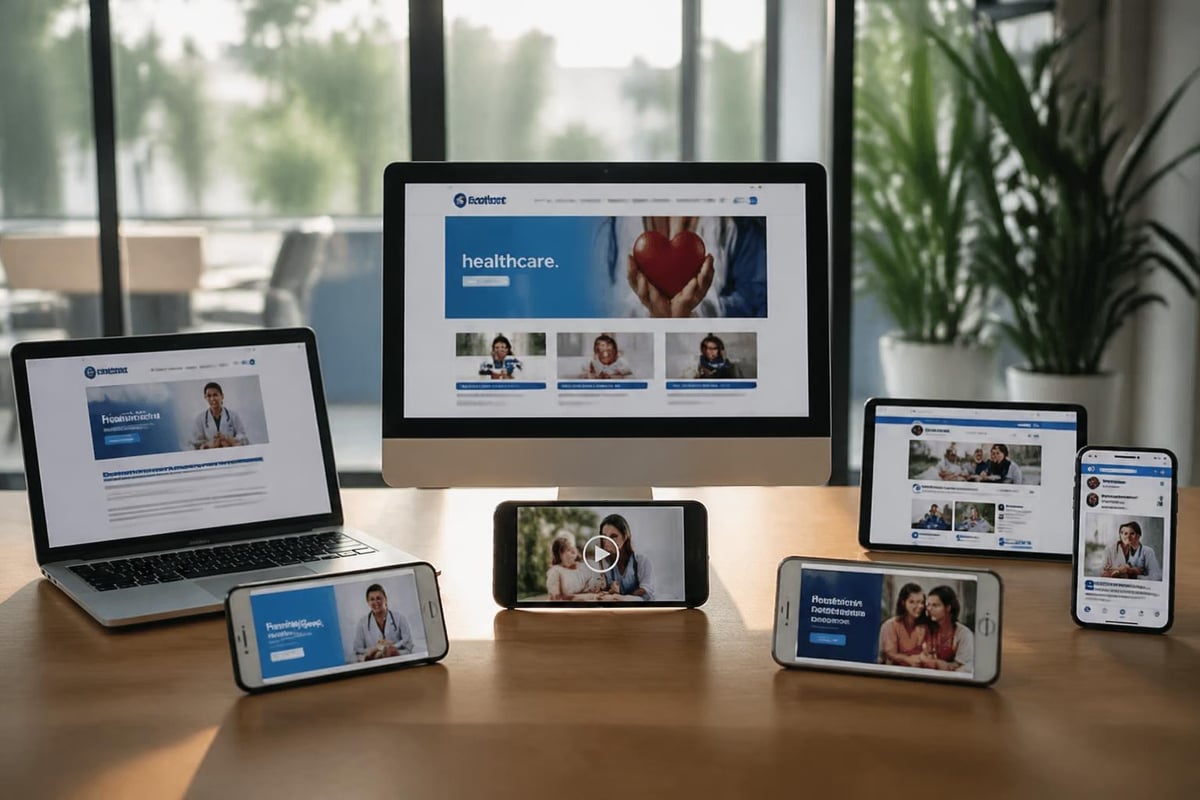
The foundation of successful healthcare marketing begins with recognizing how digital advertising fundamentals have evolved to meet stricter compliance requirements and higher patient expectations. Digital advertising methods today extend far beyond basic banner ads or sponsored listings, incorporating sophisticated data analysis, behavioral tracking, and automated bidding systems that optimize campaign performance in real time.
Healthcare organizations must navigate unique challenges including HIPAA compliance, strict advertising regulations for medical services, and the sensitive nature of health-related searches. The most effective digital advertising methods for healthcare providers balance these constraints while maximizing reach to qualified prospects actively seeking specific treatments or services.
Search Engine Advertising Fundamentals
Pay-per-click advertising through Google Ads represents the most direct path to capturing high-intent patients actively searching for healthcare solutions. When someone searches "orthopedic surgeon near me" or "men's health clinic consultation," they demonstrate immediate need and qualified interest.
Key advantages of search advertising for healthcare:
- Immediate visibility for high-intent search queries
- Precise geographic targeting for local practices
- Cost control through daily budget caps and bid adjustments
- Detailed conversion tracking from click to appointment
- Quick implementation compared to organic SEO efforts
Search advertising campaigns require continuous optimization based on keyword performance, quality scores, and conversion rates. Healthcare providers should focus on location-specific keywords, treatment-specific terms, and condition-related searches that align with their specialty areas. Successful campaigns typically combine broad reach terms with highly specific long-tail keywords that capture patients at various stages of their decision journey.
Social Media Advertising Platforms and Strategies
Social media advertising represents a fundamentally different approach compared to search-based methods. Rather than capturing existing demand, social platforms allow healthcare providers to create awareness, build trust, and generate interest among precisely targeted demographic segments who may not yet be actively searching for services.
Facebook and Instagram advertising provides unparalleled demographic and behavioral targeting capabilities. Healthcare marketers can reach specific age groups, geographic areas, interest categories, and behavioral patterns that align perfectly with ideal patient profiles. A medical spa targeting women aged 35-55 interested in wellness and aesthetic treatments can build highly specific audiences that traditional advertising could never efficiently reach.
Platform-Specific Approaches
Different social platforms require tailored strategies and creative approaches. Various digital advertising platforms demand unique content formats, messaging styles, and conversion objectives aligned with user behavior patterns on each network.
| Platform | Best For | Ad Formats | Ideal Healthcare Specialties |
|---|---|---|---|
| Broad demographics, detailed targeting | Image, video, carousel, lead forms | Medical spas, addiction treatment, general practice | |
| Visual treatments, younger demographics | Stories, reels, feed posts | Aesthetic medicine, dermatology, wellness clinics | |
| B2B healthcare, professional services | Sponsored content, InMail | Franchise opportunities, B2B medical services | |
| YouTube | Educational content, procedure explanations | Pre-roll, mid-roll, discovery ads | Surgical specialties, complex treatments |
LinkedIn advertising works particularly well for healthcare franchise systems seeking qualified franchise partners or for specialized B2B medical services. The professional context and career-focused user base creates ideal conditions for reaching business decision-makers evaluating healthcare franchise opportunities or corporate wellness partnerships.
Display Advertising and Programmatic Methods
Display advertising extends your reach across millions of websites, apps, and digital properties through visual banner ads, interactive rich media, and video placements. While digital display advertising typically generates lower conversion rates than search ads, it excels at building brand awareness, reinforcing messaging, and maintaining top-of-mind presence among potential patients.
Programmatic advertising automates the buying process through real-time bidding systems that evaluate individual ad impressions and determine optimal bid prices in milliseconds. This automation enables healthcare marketers to reach specific audiences across thousands of websites without manually negotiating placements or managing individual publisher relationships.
Display advertising applications for healthcare:
- Brand awareness campaigns for new practice locations
- Seasonal promotions for elective procedures
- Educational content distribution about treatment options
- Competitive conquesting in local markets
- Visual demonstration of before/after results (where compliant)
The Google Display Network reaches over 90% of internet users worldwide across millions of websites, videos, and apps. Healthcare providers can layer multiple targeting methods including demographics, interests, topics, and placements to ensure ads appear in relevant contexts that align with patient interests and concerns.
Retargeting and Remarketing Strategies
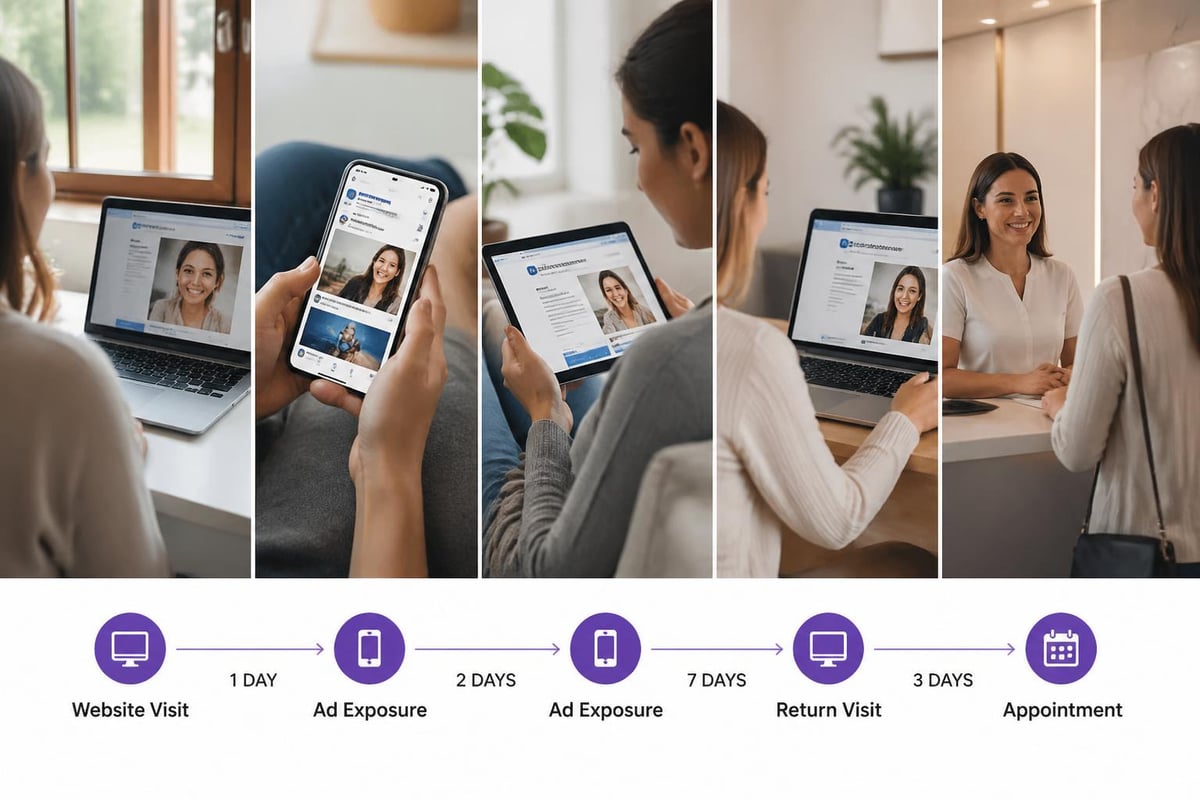
Retargeting represents one of the most cost-effective digital advertising methods for healthcare providers because it focuses budget on prospects who have already demonstrated interest by visiting your website or engaging with previous content. The average healthcare website converts only 2-4% of first-time visitors, meaning retargeting campaigns have opportunity to recapture the remaining 96-98% of qualified prospects.
Retargeting pixels track website visitors and enable advertisers to show tailored ads as those visitors browse other websites, social platforms, or streaming services. A potential patient who viewed your wound care services page but didn't schedule a consultation continues seeing relevant ads reinforcing your expertise and encouraging them to return and complete the appointment booking process.
Segmentation and Personalization
Advanced retargeting strategies segment audiences based on specific behaviors and engagement patterns. Someone who spent five minutes reading about treatment options demonstrates higher intent than someone who bounced after viewing only the homepage. Digital advertising methods that incorporate behavioral segmentation deliver dramatically better return on ad spend through message personalization.
Effective retargeting audience segments:
- Service-specific page visitors (e.g., TRT therapy, women's wellness)
- High-engagement visitors (multiple pages, extended time on site)
- Appointment abandoners who started but didn't complete booking
- Past patients for retention and additional service promotion
- Lead form abandoners who began but didn't submit contact information
Frequency capping prevents ad fatigue by limiting how many times the same person sees your retargeting ads within a given timeframe. Healthcare retargeting campaigns typically perform best with 3-7 ad exposures per week, providing sufficient reinforcement without creating negative brand perception through excessive repetition.
Video Advertising and YouTube Campaigns
Video advertising has emerged as one of the fastest-growing digital advertising methods, particularly effective for healthcare providers explaining complex treatments, building practitioner credibility, and demonstrating facility quality. YouTube represents the second-largest search engine globally, with millions of users researching health conditions, treatment options, and provider reviews through video content.
Pre-roll ads appear before, during, or after other videos, while discovery ads appear in search results and suggested video feeds. TrueView advertising charges only when viewers watch at least 30 seconds or interact with the ad, making it a cost-effective format for healthcare education and awareness campaigns.
Healthcare providers can create video content addressing common patient questions, explaining treatment processes, introducing practitioners, showcasing patient testimonials (with proper consent), and differentiating their approach from competitors. A 60-90 second video explaining how hormone replacement therapy works and what patients can expect during treatment provides value while building trust and encouraging consultation requests.
Local Service Ads and Google Screened Programs
Google Local Service Ads represent a specialized advertising format designed specifically for local service providers, including certain healthcare categories. These ads appear at the very top of search results, above traditional pay-per-click listings, and operate on a pay-per-lead model rather than pay-per-click.
The Google Screened program provides verification and badging that builds immediate trust with potential patients. Healthcare providers undergo background checks and license verification, earning a green checkmark badge that signals credibility and legitimacy in search results.
| Feature | Local Service Ads | Traditional PPC |
|---|---|---|
| Pricing Model | Pay per lead/call | Pay per click |
| Position | Above search results | Below LSA, with search results |
| Trust Signals | Google Screened badge | Ad label only |
| Management | Simplified dashboard | Full campaign control |
| Best For | Local healthcare services | Broader marketing objectives |
Local Service Ads work particularly well for primary care, urgent care, dental practices, and other healthcare services where local proximity drives patient selection. The simplified management and pay-per-lead model makes this format accessible for smaller practices without dedicated marketing teams.

Native Advertising and Content Distribution
Native advertising blends promotional content with editorial content in formats that match the surrounding user experience. Rather than appearing as obvious advertisements, native ads look like regular articles, social posts, or recommended content within the platforms where they appear.
Healthcare providers use native advertising to distribute educational content, research findings, treatment explanations, and thought leadership pieces that establish expertise while subtly promoting services. A compounding pharmacy might sponsor an article about personalized medication solutions that appears within health and wellness publications, driving qualified traffic to their website through valuable content rather than direct advertising.
Platforms offering native advertising opportunities:
- Taboola and Outbrain for content recommendation widgets
- Social platform sponsored posts (Facebook, LinkedIn, Twitter)
- In-feed ads on news and content websites
- Sponsored content on health information portals
- Publisher-direct native placements on medical websites
The effectiveness of native advertising depends heavily on content quality and relevance. The article, video, or infographic must provide genuine value to readers while naturally connecting to your healthcare services. Native advertising works best as a middle-funnel strategy, nurturing awareness and consideration rather than driving immediate conversions.
Measuring Performance and Attribution
The true power of digital advertising methods lies in their measurability and trackability. Unlike traditional advertising where attribution remains largely speculative, digital campaigns provide detailed data on impressions, clicks, conversions, cost per acquisition, and return on ad spend.
Healthcare marketers must implement proper conversion tracking through phone call tracking, form submission monitoring, appointment booking pixels, and CRM integration. Understanding which digital advertising methods drive actual patient appointments rather than just website traffic enables strategic budget allocation toward highest-performing channels.
Multi-touch attribution recognizes that patients typically interact with multiple advertising touchpoints before scheduling appointments. Someone might first see a Facebook ad, later click a Google search ad, return through a retargeting campaign, and finally convert after receiving a nurture email. Proper attribution modeling credits all contributing touchpoints rather than assigning full credit to only the final interaction.
Key Performance Indicators for Healthcare Advertising
Different digital advertising methods require different success metrics aligned with campaign objectives and patient acquisition economics. Understanding your patient lifetime value enables calculation of acceptable cost per acquisition thresholds across various specialties and treatment types.
- Cost Per Click (CPC) – How much each click costs across platforms and campaigns
- Click-Through Rate (CTR) – Percentage of ad impressions that generate clicks
- Conversion Rate – Percentage of clicks that become leads or appointments
- Cost Per Acquisition (CPA) – Total cost to acquire one new patient
- Return on Ad Spend (ROAS) – Revenue generated per dollar spent on advertising
- Appointment Show Rate – Percentage of scheduled appointments that actually occur
- Patient Lifetime Value (LTV) – Total revenue generated per acquired patient
Healthcare providers should track these metrics by campaign, ad group, keyword, geographic location, and device type to identify optimization opportunities. A campaign with excellent click-through rates but poor conversion rates indicates messaging alignment issues or landing page problems requiring attention.
Compliance and Privacy Considerations
Healthcare advertising faces unique regulatory requirements through HIPAA, FDA guidelines, state medical board regulations, and platform-specific policies. All digital advertising methods must maintain strict patient privacy, avoid misleading claims, include necessary disclosures, and comply with requirements specific to advertised services.
Critical compliance considerations:
- Never use patient information without explicit written consent
- Include required disclaimers for results, outcomes, or testimonials
- Avoid guaranteed results or cure claims
- Follow FDA guidelines for pharmaceutical and device advertising
- Respect platform policies regarding health-related advertising
- Implement proper consent mechanisms for retargeting pixels
- Maintain documentation of advertising approval processes
The evolving privacy landscape, including iOS tracking restrictions, cookie deprecation, and enhanced user privacy controls, requires healthcare marketers to adapt digital advertising methods toward privacy-first approaches. First-party data collection through CRM systems, email lists, and owned audiences becomes increasingly valuable as third-party tracking capabilities diminish.
Integration and Systematic Execution
The most successful healthcare marketing strategies integrate multiple digital advertising methods into cohesive, systematic campaigns rather than relying on single-channel approaches. Search advertising captures immediate demand, social advertising builds awareness among target demographics, retargeting recaptures interested prospects, and email nurture maintains engagement until prospects are ready to schedule.
Campaign integration requires consistent messaging, coordinated timing, shared creative assets, and unified conversion pathways. Someone who clicks a Facebook ad for men's health services should arrive at a landing page that reinforces the same messaging, benefits, and visual identity from the ad while providing clear next steps toward consultation booking.
Systematic execution means implementing documented processes, standard operating procedures, regular optimization cycles, and performance review cadences. Digital advertising methodologies require ongoing management, testing, and refinement rather than set-and-forget approaches. Weekly bid adjustments, monthly creative refreshes, quarterly strategy reviews, and annual planning cycles ensure campaigns remain effective amid changing market conditions and competitive dynamics.
Selecting and implementing the right digital advertising methods for your healthcare practice requires balancing multiple channels, maintaining regulatory compliance, and systematically optimizing performance toward measurable patient acquisition goals. If you're looking for a partner who specializes in healthcare lead generation and patient onboarding with proven systems for converting advertising investment into scheduled appointments and actual revenue, RevSpark Media offers comprehensive campaign management, proprietary visitor identification technology, and in-house pre-sales teams that ensure your advertising generates not just clicks, but actual patients walking through your doors.