
Pharmacies now face a pivotal moment as the healthcare landscape rapidly shifts online. Those prepared to embrace change will thrive, while others risk being left behind. Digital marketing pharmacy strategies are no longer optional—they are essential for growth and patient connection.
This guide provides proven tactics and forward-thinking tools designed for pharmacy owners and marketers ready to lead in 2026. You will discover actionable steps to boost visibility, attract new patients, and drive lasting loyalty.
Explore the digital transformation of pharmacy marketing, must-have channels, step-by-step strategies, lead tracking, compliance essentials, and inspiring success stories to future-proof your pharmacy today.
The Digital Transformation of Pharmacy Marketing
The landscape of pharmacy marketing has undergone a profound transformation. Traditional channels such as print, TV, and radio, once the pillars of outreach, are losing their effectiveness. In contrast, digital marketing pharmacy approaches are accelerating, fueled by changing consumer behaviors and rapid technology adoption.
Consider this: In 2022, 99 percent of Ireland’s population was online, and 79 percent were active on social media, according to DataReportal. Patients no longer wait to receive information passively. Instead, they actively research health solutions and pharmacies online before stepping through the door. This shift has made digital marketing pharmacy not just an option, but a necessity for growth and patient engagement.
Budgets are following this trend. McKinsey reports that one in five Medtech companies devoted more than half of their marketing budgets to digital channels in 2021. Pharmacies investing early in digital marketing pharmacy have seen impressive results. According to Digital Pharmacist case studies, these pharmacies achieved web traffic increases between 69 and 71 percent. The ability to reach patients where they spend their time—online and on their mobile devices—creates a clear competitive advantage.
Let’s look at a real-world example. Delmarva Pharmacy embraced digital marketing pharmacy tactics at the onset of the COVID-19 pandemic. By ramping up their digital presence, they attracted 50 new patients in just three months. This success story highlights how digital strategies can deliver measurable, rapid results, even in challenging environments.
Key trends are shaping the future of pharmacy marketing as we approach 2026. Artificial intelligence is driving advanced personalization, enabling pharmacies to tailor messages and offers to individual patient needs. Omnichannel engagement ensures patients experience a cohesive journey across websites, social media, and mobile apps. Mobile-first experiences are no longer optional, as most patients access information on smartphones. Data-driven decision-making empowers pharmacies to analyze what works, optimize campaigns, and scale patient acquisition.
To stay ahead, pharmacies must be present and active across the digital spectrum. Patients expect seamless online interactions, from researching services to booking appointments or accessing patient portals. Pharmacies that fail to invest in digital marketing pharmacy risk being overshadowed by more agile competitors.
Digital marketing pharmacy also enables precise targeting and measurable ROI. Pharmacies can reach specific demographics, track every interaction, and adjust strategies in real time. This level of control was unimaginable in the era of print or radio ads.
For pharmacy owners and marketers seeking proven approaches, resources like Pharmacy Digital Marketing Strategies offer actionable insights tailored to the unique challenges of this sector. With the right tactics, any pharmacy can build a robust digital presence and unlock new growth opportunities.
In summary, the digital transformation is not slowing down. Pharmacies that embrace digital marketing pharmacy will not only meet their patients where they are, but also gain the tools and data needed to grow sustainably in 2026 and beyond.

Essential Digital Channels for Pharmacies in 2026
Pharmacies are entering a new era where digital channels are the backbone of patient engagement and business growth. To achieve success with digital marketing pharmacy strategies in 2026, it is essential to master the core online touchpoints that connect with patients, drive conversions, and build long-term loyalty.
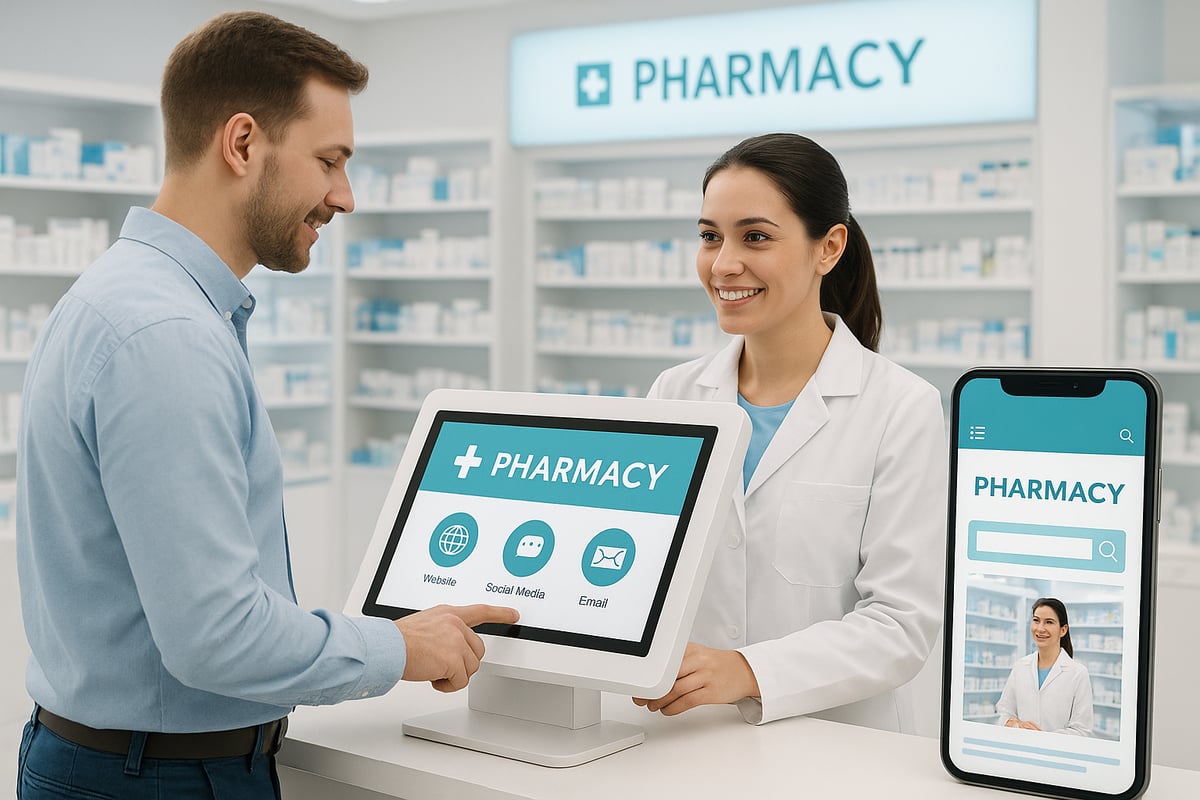
Website Optimization & Virtual Storefronts
A pharmacy’s website is the digital marketing pharmacy command center. It is where patients first discover services, check reviews, and book appointments. Essential pages include About Us, Services, Find Us, Patient Portal, Shop, and embedded reviews to build trust.
Mobile optimization is critical. Most patients browse on smartphones, so fast loading times and clear navigation are non-negotiable. Integrating online booking, e-commerce, and patient education resources streamlines the patient journey and boosts conversions.
Pharmacies with robust, well-optimized websites see higher appointment rates and sales. Apply SEO best practices such as keyword targeting for your services and local SEO for your area. Structured data helps search engines understand your offerings. Organic search remains powerful, driving 17% of website traffic for healthcare businesses.
To explore more on digital marketing trends and best practices, see this guide on Digital Marketing in Pharmaceutical Industry.
Social Media Marketing: Paid & Organic
Social platforms are essential for digital marketing pharmacy success. Facebook and Instagram are leading channels for reaching local patients, promoting health tips, and sharing community updates. Use organic content to educate patients, answer FAQs, and highlight your team.
Paid ads allow precise targeting by location, demographics, and health interests. Pharmacies using Facebook ads have reported up to 71% more website traffic. Short-form video is on the rise, offering engaging ways to deliver quick health advice and showcase services.
Social proof matters. Feature patient testimonials and reviews on your profiles. Tools like Buffer help schedule posts and manage engagement. Consistent, high-quality content builds trust and loyalty.
Content Marketing & Blogging
Content is a cornerstone of any digital marketing pharmacy plan. Create evergreen blog posts that answer common patient questions—such as medication management, seasonal health tips, and service spotlights. A well-maintained blog boosts your SEO and positions your pharmacy as a healthcare authority.
Always include clear calls-to-action, such as booking an appointment or subscribing to your newsletter. Pharmacies leveraging content marketing report increased engagement and a steady flow of new leads.
Email Marketing & Patient Nurturing
Email remains a high-ROI digital marketing pharmacy channel. With returns of $36–$45 for every dollar spent, it is essential to build a segmented patient list. Send newsletters, appointment reminders, health alerts, and promotional offers to keep patients engaged.
Personalization and automation tools ensure timely, relevant communication. Pharmacies see deliverability rates over 90%, far exceeding social platform reach. Use patient data to tailor messages and nurture long-term relationships.
Paid Search & Display Advertising
Paid search and display advertising are vital for digital marketing pharmacy growth. Google Ads and PPC campaigns help attract local patients actively seeking your services. Use display ads on health-related or local websites to increase brand awareness.
Retargeting previous website visitors can drive conversions for flu shots, vaccinations, or new services. Careful budgeting and tracking ensure you maximize ROI. Pharmacies using targeted paid campaigns often see measurable boosts in patient acquisition and service uptake.
Step-by-Step Digital Marketing Strategy for Pharmacies in 2026
Staying ahead in digital marketing pharmacy requires a structured, strategic approach. By following a clear step-by-step process, pharmacy owners can maximize growth, patient engagement, and ROI. Here is a comprehensive roadmap for pharmacies aiming for digital marketing success in 2026.

Step 1: Define Your Digital Marketing Goals
Every successful digital marketing pharmacy strategy starts with clear, measurable goals. Define what you want to accomplish such as increasing new patient sign-ups by 25 percent or doubling online prescription refills within a year.
Align these digital objectives with your broader business vision. Key performance indicators (KPIs) might include website visits, online appointments, or lead conversions.
For example, set a goal to boost online prescription refills by 100 percent over 12 months. Use KPIs to monitor progress and refine tactics. For a deeper dive into setting pharmacy growth objectives, explore the Pharma Growth Strategies Guide.
Step 2: Understand and Segment Your Audience
A digital marketing pharmacy approach is only as effective as your understanding of your audience. Analyze patient demographics, health interests, and digital habits using analytics tools and CRM data.
Create detailed patient personas, focusing on needs, age groups, and preferred communication channels. Segment your audience to deliver tailored messages.
For example, target parents for pediatric vaccine reminders or older adults for medication management tips. Regular review of analytics helps refine these segments, ensuring campaigns remain relevant and impactful.
Step 3: Build and Optimize Your Digital Assets
Your website is the digital marketing pharmacy hub. Develop a modern, mobile-friendly site with clear navigation and essential pages like About Us, Services, and a Patient Portal.
Implement SEO best practices focusing on local and service-specific keywords. Set up your Google My Business profile, ensuring accuracy in Name, Address, and Phone (NAP) details.
Integrate online booking and e-commerce for seamless patient experiences. Embed Google reviews to build trust and credibility, making it easier for patients to choose your pharmacy over competitors.
Step 4: Launch Multi-Channel Campaigns
A robust digital marketing pharmacy plan includes coordinated campaigns across multiple channels. Build a content calendar covering blogs, social posts, and emails.
Develop targeted paid ads on platforms like Facebook, Instagram, and Google. Ensure consistent messaging and branding across all channels to reinforce trust.
Capitalize on health awareness months and seasonal trends. For example, run synchronized flu shot campaigns via email, social media, and PPC ads. This multi-channel approach drives awareness, engagement, and conversions.
Step 5: Track, Measure, and Optimize Performance
Data-driven decision making is vital in digital marketing pharmacy. Set up analytics tools such as Google Analytics and Facebook Insights to monitor KPIs like website traffic, conversions, and ROI.
Implement call tracking or lead tracking phone lines to attribute results accurately. Use A/B testing for landing pages and ad creatives to discover what resonates best.
For example, adjust ad spend toward channels delivering the highest conversion rates. Regular performance reviews enable continuous improvement and efficient budget allocation.
Step 6: Foster Patient Engagement and Retention
Retaining patients is as important as acquiring them in digital marketing pharmacy. Use email and SMS for appointment reminders, medication pickups, and health education updates.
Launch loyalty programs and interactive health series to maintain ongoing relationships. Promptly respond to social media comments and online reviews to show patients you value their feedback.
Personalized email campaigns, such as reminders for medication adherence, boost retention and trust, leading to long-term patient loyalty.
Step 7: Stay Agile and Future-Ready
The digital marketing pharmacy landscape evolves rapidly. Monitor emerging trends like AI chatbots, voice search, and telepharmacy solutions.
Update your digital assets and campaign strategies regularly. Invest in staff training to enhance digital skills and adaptability.
Stay informed about new technologies and platforms to meet shifting patient preferences. Remaining agile ensures your pharmacy continues to thrive, regardless of industry changes.
Advanced Lead Tracking and ROI Measurement for Pharmacies
In the fast-evolving world of digital marketing pharmacy, advanced lead tracking and ROI measurement are essential for sustainable growth. Understanding where your patients come from, which channels drive the most engagement, and how every euro is spent can set your pharmacy apart in a competitive landscape.

The Right Tools for Tracking Leads
To maximize digital marketing pharmacy results, pharmacies need robust tools for tracking every patient interaction. Consider implementing:
- Dedicated lead tracking phone lines
- Call recording systems for quality assurance
- Dashboard reporting to visualize campaign performance
- CRM integration for seamless patient journey tracking
These tools allow pharmacy teams to capture how patients found the business, which campaigns led to conversions, and what channels deserve more attention. For example, by using call tracking, pharmacies can determine if a Facebook ad or a Google search drove a specific appointment request.
Attribution and Smarter Budget Allocation
Accurate attribution is the backbone of digital marketing pharmacy success. By connecting ad spend directly to patient appointments or prescription refills, pharmacies gain clear visibility into what works. This data-driven approach helps allocate budgets to the highest-performing channels and reduce wasted spend.
A recent study found that digital marketing can increase pharmacy revenue by 20 percent and lower marketing costs by 30 percent. Pharmacies using lead tracking often discover that certain campaigns, like seasonal flu shot ads, deliver a far higher ROI than others. Adjusting budgets based on these insights ensures continuous growth and efficiency.
Compliance and Data Security
While tracking leads is crucial, pharmacies must remain vigilant about regulatory requirements. Digital marketing pharmacy strategies must comply with data privacy laws such as HIPAA and GDPR. This means using secure systems for storing patient data, obtaining proper consent for communications, and training staff on compliance practices.
For an in-depth look at why HIPAA compliance is vital to digital marketing ROI, review this resource on HIPAA compliance in digital marketing. Protecting patient information not only avoids legal risk but also builds trust with your community.
Actionable Tips for Pharmacies
To master digital marketing pharmacy analytics, follow these best practices:
- Set up monthly analytics reviews to track KPIs and campaign results
- Use A/B testing for landing pages and ads
- Adjust tactics based on real-time data from dashboards
- Train staff on both technology and compliance updates
By measuring every lead and attribution point, pharmacies can scale their marketing efforts with confidence, ensuring every investment drives measurable outcomes and improved patient care.
Compliance, Privacy, and Ethical Considerations in Pharmacy Digital Marketing
Navigating compliance is critical for any digital marketing pharmacy strategy. In today’s healthcare landscape, pharmacies must balance patient engagement with strict privacy and ethical standards. As digital channels become central to pharmacy operations, understanding and implementing robust compliance measures is non-negotiable.
Understanding Healthcare Marketing Regulations
Pharmacies operating in the digital space must comply with a complex web of regulations, including HIPAA in the United States, GDPR in the European Union, and additional local laws. These rules dictate how patient data can be collected, stored, and used in digital marketing pharmacy campaigns. Non-compliance can result in significant penalties and loss of customer trust.
Patient Consent and Ethical Email List Management
Ethical digital marketing pharmacy practices begin with patient consent. Always use clear, opt-in forms before collecting email addresses or personal data. Segmented email lists should be managed securely, and patients must have the option to unsubscribe at any time. This transparency strengthens relationships and reduces the risk of complaints.
Advertising Restrictions and Transparency
Pharmaceutical advertising is heavily regulated. Pharmacies must avoid making unsubstantiated health claims and should clearly disclose any sponsored content or paid ads. For example, before launching a campaign in Ireland, review the latest laws on pharmaceutical advertising to ensure compliance. For those in niche sectors, resources like Compounding Pharmacy Marketing Tips provide additional guidance on ethical and compliant marketing approaches.
Data Security and Patient Information Protection
Protecting patient information is a foundational element of any digital marketing pharmacy initiative. Use secure booking systems, encrypted data storage, and multi-factor authentication to safeguard sensitive information. Regularly audit your systems for vulnerabilities and ensure staff receive ongoing data security training.
Best Practices for Compliance and Trust
Adhering to best practices not only meets legal requirements but also builds long-term trust with patients. Consider these essentials:
- Always use opt-in forms for data collection
- Publish a clear, accessible privacy policy
- Implement secure, encrypted online booking systems
- Promptly address any data breaches or incidents
Staying informed about evolving regulations is just as important as implementing them. Explore resources and industry updates, such as Pharmaceutical marketing strategies for 2026, to remain ahead of compliance changes that impact digital marketing pharmacy efforts.
Building a Future-Proof, Compliant Digital Presence
Trust, transparency, and ethical conduct are the foundation of successful digital marketing pharmacy strategies. By prioritizing compliance, you not only avoid costly penalties but also foster lasting patient loyalty. For the latest legal guidelines, consult national pharmacy associations and regulatory bodies to ensure your marketing remains both effective and ethical.
Pharmacy Digital Marketing Success Stories & Case Studies
Digital marketing pharmacy strategies are no longer theoretical—they are producing measurable results for pharmacies of all sizes. Let us explore three compelling case studies that demonstrate how the right approach can boost patient engagement, drive web traffic, and deliver a strong return on investment.
Case Study 1: Your Health Pharmacy—Web Traffic Soars with Digital Marketing Pharmacy Campaigns
Your Health Pharmacy wanted to increase its online visibility and attract new patients. By launching targeted Facebook ads, implementing lead tracking, and producing regular blog content, this pharmacy quickly saw impressive results.
In just four months, website traffic jumped by 69 percent, while their digital marketing pharmacy ads generated over 23,500 impressions. The team tracked every call and appointment back to specific campaigns, allowing precise measurement of ROI. As a result, patient engagement grew and new patient registrations increased, proving that a strategic digital marketing pharmacy plan can deliver rapid, scalable growth.
Case Study 2: Delmarva Pharmacy—Multi-Channel Digital Marketing Pharmacy Approach During COVID-19
Delmarva Pharmacy faced unprecedented challenges during the pandemic, but their pivot to a multi-channel digital marketing pharmacy strategy paid off. By running coordinated campaigns across email, social media, and paid search, they reached patients wherever they spent time online.
In just three months, Delmarva generated 550 call leads and welcomed 50 new patients. This success was driven by consistent messaging, a focus on patient needs, and robust lead tracking. Their experience highlights the power of an integrated approach, especially when combined with omnichannel marketing in pharmaceuticals for maximum reach and impact.
Case Study 3: Thurman’s Pro-Med Pharmacy—Harnessing Social Ads for Digital Marketing Pharmacy Growth
Thurman’s Pro-Med Pharmacy aimed to boost awareness and drive service bookings. Through social media advertising and website optimization, they achieved a 71 percent increase in web traffic.
Their digital marketing pharmacy campaigns focused on local targeting and timely service promotions, resulting in more online appointments and higher patient satisfaction. The combination of paid and organic tactics reinforced their brand presence and built trust within their community.
Results at a Glance
| Pharmacy | Key Tactics | Traffic Increase | New Patients | Lead Generation |
|---|---|---|---|---|
| Your Health Pharmacy | Facebook ads, content, lead tracking | 69% | +New signups | 23,500+ impressions |
| Delmarva Pharmacy | Multi-channel, lead tracking | N/A | 50 | 550 calls |
| Thurman’s Pro-Med | Social ads, optimization | 71% | N/A | More bookings |
Lessons Learned and Key Takeaways
These digital marketing pharmacy case studies reveal that blending paid ads, organic content, and advanced tracking produces the best results. Pharmacies that adopt an omnichannel strategy can engage patients at every touchpoint, increasing both loyalty and lifetime value. For a deeper look at integrated approaches, see omnichannel marketing in pharmaceuticals.
Consistency in messaging, timely campaign execution, and data-driven decisions set top performers apart. Importantly, independent pharmacies can now compete with larger chains, thanks to accessible digital tools.
Actionable Insights for Your Digital Marketing Pharmacy Journey
To replicate these successes, start by investing in a comprehensive digital marketing pharmacy plan. Leverage analytics to track every lead, and do not hesitate to experiment with new tactics such as AI-driven personalization for more targeted patient outreach.
Remember, measurable results come from a commitment to continuous improvement and a willingness to adapt as trends evolve. By staying proactive and patient-centric, your pharmacy can achieve similar breakthroughs in engagement and growth.