
The digital marketing world has undergone a dramatic transformation over the past few years, particularly for healthcare providers seeking to expand their patient base and optimize revenue streams. In 2026, the landscape demands more than traditional advertising approaches. Healthcare organizations, from compounding pharmacies to telehealth platforms, must navigate an increasingly sophisticated ecosystem where technology, data intelligence, and patient-centric strategies converge to deliver measurable results. Understanding these dynamics is essential for practices aiming to thrive in a competitive marketplace where consumer expectations and technological capabilities continue to evolve at an unprecedented pace.
The Evolution of Healthcare Marketing in the Digital Marketing World
Healthcare marketing has shifted from broad awareness campaigns to precision-targeted, conversion-focused strategies that prioritize measurable patient acquisition. The digital marketing world now offers healthcare providers tools to identify, engage, and convert prospects with remarkable accuracy.
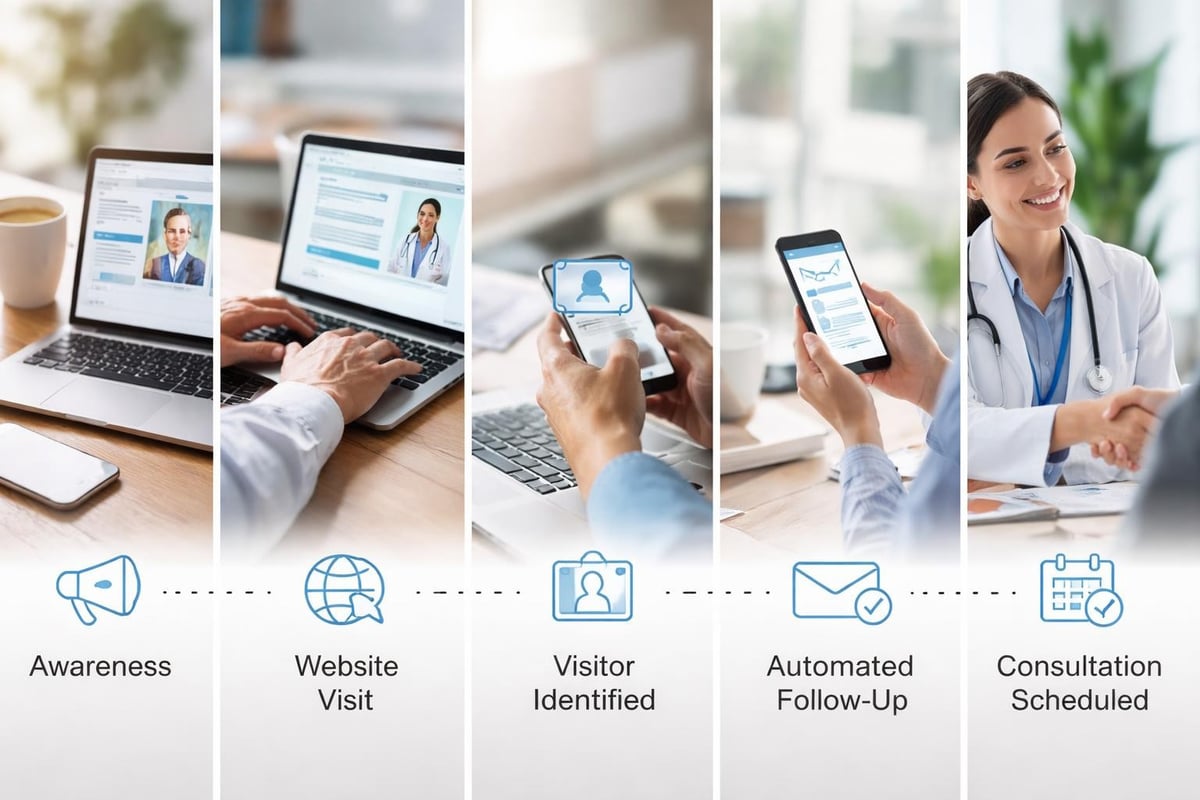
Modern healthcare marketing platforms leverage sophisticated visitor identification technology that can reveal up to 60% of anonymous website traffic. This capability transforms how medical practices approach lead generation, moving from passive hope to active engagement with potential patients who have already demonstrated interest.
Key technological advances reshaping healthcare marketing include:
- Real-time visitor identification and behavioral tracking
- Automated appointment scheduling integrated with CRM systems
- Multi-channel retargeting across social media and search platforms
- AI-powered chatbots for immediate patient inquiry response
- Predictive analytics for lead scoring and conversion optimization
The shift toward data-driven personalization in digital marketing trends has particular relevance for healthcare providers. Patients expect personalized communication that addresses their specific health concerns, treatment options, and scheduling preferences.
Lead Generation Strategies That Drive Patient Acquisition
In the digital marketing world, successful lead generation for healthcare providers requires a multi-faceted approach that combines immediate response capabilities with systematic nurturing processes. The difference between converting a lead and losing them to a competitor often comes down to response time measured in minutes, not hours.
Immediate Response Systems
Healthcare consumers researching treatment options typically contact multiple providers within a short timeframe. Practices that respond within two minutes experience significantly higher conversion rates compared to those with delayed follow-up protocols.
Implementing automated yet personalized response systems ensures no inquiry goes unanswered. These systems should include:
- Instant acknowledgment of form submissions or chat inquiries
- Immediate routing to qualified pre-sales development specialists
- Automated text message confirmation with next steps
- Email sequences tailored to specific treatment interests
- Calendar integration for self-service appointment booking
The digital marketing world has made it possible to maintain human connection while leveraging automation for speed and consistency. The most effective healthcare marketing strategies balance technology efficiency with authentic patient engagement.
| Response Time | Conversion Rate | Patient Satisfaction |
|---|---|---|
| Under 2 minutes | 68% | Very High |
| 2-10 minutes | 42% | High |
| 10-30 minutes | 28% | Moderate |
| Over 30 minutes | 12% | Low |
Multi-Channel Campaign Architecture
Healthcare providers must maintain presence across multiple digital channels where potential patients conduct research and make decisions. A comprehensive approach includes search engine marketing, social media advertising, content marketing, and strategic partnerships.
Search campaigns should target high-intent keywords specific to treatments and services offered. For example, a medical spa would benefit from targeting "botox near me" or "laser hair removal [city name]" rather than broad aesthetic terms.
Social media platforms offer unique opportunities for healthcare providers to build trust through educational content, patient testimonials, and behind-the-scenes practice insights. Video content demonstrating procedures, explaining treatment options, or introducing staff members consistently outperforms static imagery.
Advanced Targeting and Conversion Optimization
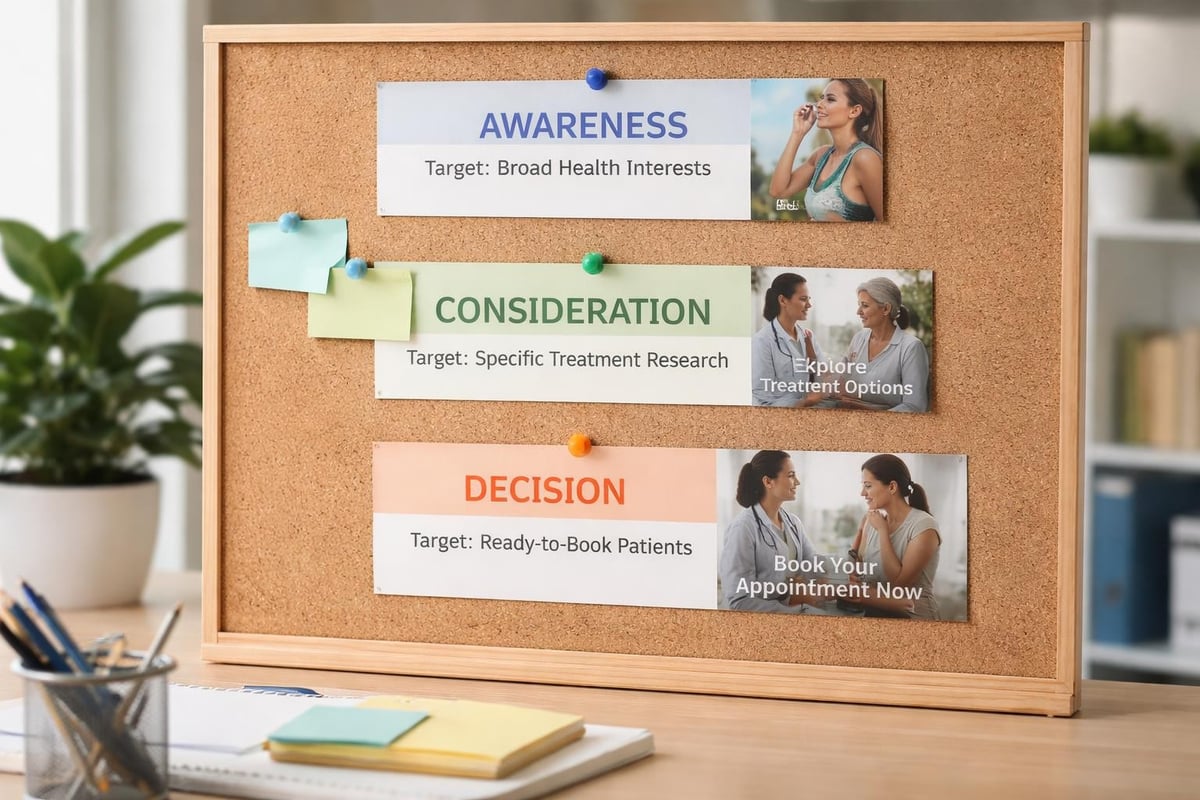
The digital marketing world in 2026 provides healthcare marketers with unprecedented ability to reach specific audience segments based on demographics, behaviors, health interests, and life events. Successful campaigns leverage these capabilities while respecting patient privacy and regulatory requirements.
Audience Segmentation for Healthcare
Different healthcare specialties require distinct targeting approaches. A telehealth platform serving men's health concerns targets differently than a wound care center or addiction treatment facility.
Effective segmentation strategies include:
- Geographic targeting based on service area and competition density
- Demographic filters aligned with typical patient profiles
- Interest-based targeting related to health and wellness topics
- Behavioral signals indicating active treatment research
- Lookalike audiences modeled on existing patient databases
Franchise systems benefit from localized campaigns that maintain brand consistency while addressing regional market variations. Central marketing resources combined with local customization create optimal results across multiple locations.
Landing Page Optimization for Healthcare Conversions
Landing pages serve as critical conversion points in the digital marketing world, particularly for healthcare providers where trust and credibility significantly influence patient decisions. Every element from headline to call-to-action must align with visitor intent and reduce friction in the conversion process.
High-performing healthcare landing pages incorporate trust signals including credentials, certifications, patient reviews, before-and-after documentation, and clear explanations of treatment processes. They answer common questions preemptively and provide multiple conversion options accommodating different communication preferences.
The relationship between alternative channel strategies and healthcare marketing demonstrates the importance of meeting patients where they prefer to engage. Some prospects prefer phone calls, while others want text messaging or secure portal access.
CRM Integration and Patient Journey Management
Complete visibility into the patient acquisition process requires sophisticated CRM integration that tracks every touchpoint from initial website visit through appointment completion and ongoing treatment. The digital marketing world offers tools that unify disparate data sources into actionable intelligence.
Modern healthcare CRM systems should capture:
- Initial traffic source and campaign attribution
- Website behavior and content engagement patterns
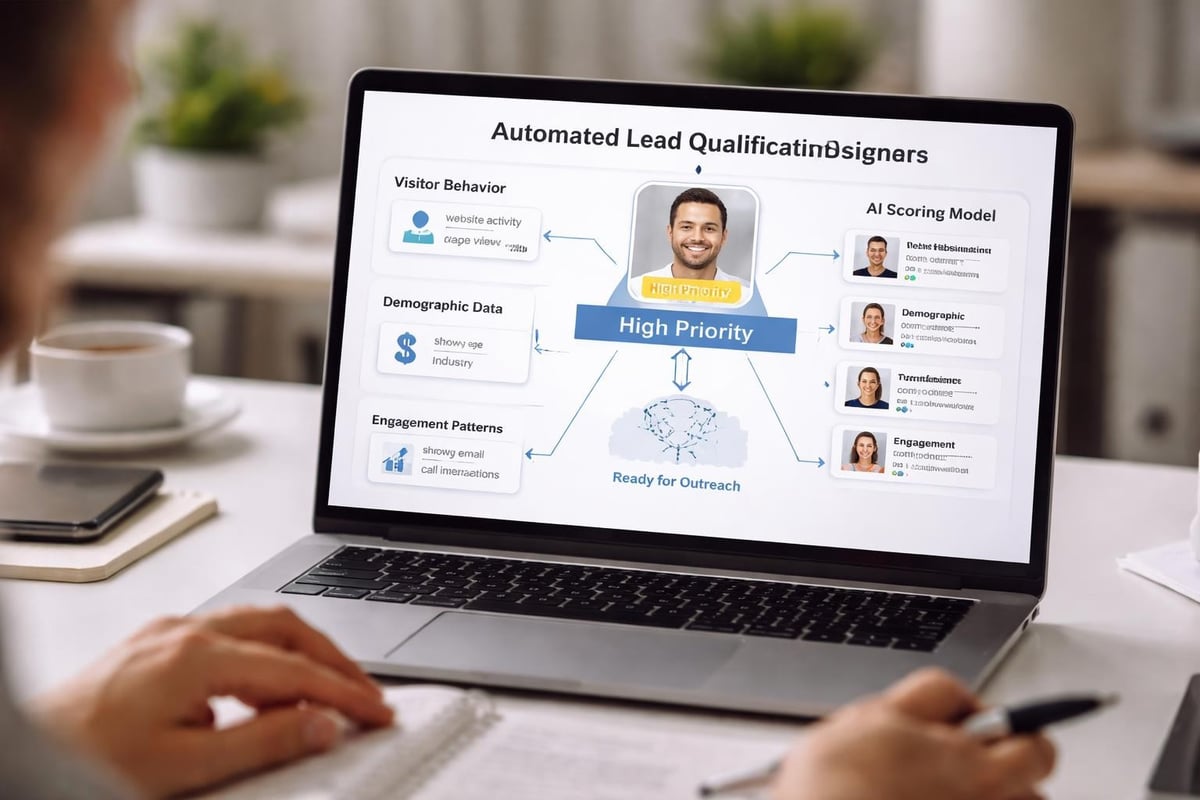
- Lead qualification scores based on demographic and behavioral factors
- Communication history across all channels
- Appointment scheduling, confirmation, and attendance records
- Treatment completion and patient lifetime value metrics
This comprehensive tracking enables healthcare providers to calculate true marketing ROI, identify bottlenecks in the patient acquisition funnel, and optimize resource allocation toward highest-performing channels.
Systematic Follow-Up Protocols
The digital marketing world has proven that consistent, systematic follow-up dramatically improves conversion rates and reduces patient acquisition costs. Many healthcare inquiries require multiple touchpoints before converting to scheduled appointments.
Effective follow-up sequences combine automated communication with personalized outreach. Initial automated messages provide immediate value through educational content, treatment information, or answers to frequently asked questions. Subsequent personal outreach from pre-sales development teams addresses specific concerns and overcomes objections.
| Follow-Up Touchpoint | Timing | Medium | Purpose |
|---|---|---|---|
| Initial Response | Immediate | Email/Text | Acknowledge inquiry |
| Educational Content | 2 hours | Build credibility | |
| Personal Outreach | 24 hours | Phone | Address questions |
| Value Reinforcement | 3 days | Text | Overcome objections |
| Final Opportunity | 7 days | Last engagement attempt |
Emerging Technologies Reshaping Healthcare Marketing
The digital marketing world continues evolving with technologies that fundamentally change how healthcare providers attract and convert patients. Staying current with these developments provides competitive advantages in increasingly crowded markets.
Artificial Intelligence and Machine Learning Applications
AI technologies now power multiple aspects of healthcare marketing from content creation to predictive lead scoring. Natural language processing enables chatbots that handle patient inquiries with increasing sophistication, while machine learning algorithms identify patterns in successful conversions to optimize targeting and messaging.
The shift toward agentic search optimization represents a fundamental change in how healthcare providers approach online visibility. Traditional SEO focused on keywords and backlinks, while modern approaches emphasize brand authority, entity recognition, and comprehensive content that demonstrates expertise across treatment areas.
Healthcare providers must establish themselves as authoritative sources within their specialties through consistent content production, engagement with medical communities, and accumulation of verified patient reviews across multiple platforms.
Video-First Content Strategies
Video content dominates the digital marketing world in 2026, with patients increasingly preferring video explanations of treatments, procedures, and practice capabilities over text-based information. Healthcare providers that invest in video production gain significant engagement advantages.
Effective healthcare video content includes:
- Treatment explanation videos answering common patient questions
- Virtual practice tours reducing anxiety for first-time visitors
- Provider introduction videos building trust before appointments
- Patient testimonial videos demonstrating real treatment outcomes
- Educational series establishing thought leadership in specialty areas
Short-form video content optimized for social media platforms drives awareness and engagement, while longer educational videos hosted on practice websites support conversion optimization. The key is maintaining HIPAA compliance while creating authentic, valuable content that serves patient needs.
Performance Measurement and Optimization
Success in the digital marketing world requires continuous measurement, analysis, and optimization based on performance data. Healthcare providers must move beyond vanity metrics like impressions and clicks to focus on business outcomes including appointment bookings, patient acquisition costs, and lifetime value.
Key Performance Indicators for Healthcare Marketing
Tracking the right metrics enables informed decision-making about budget allocation and strategy adjustments. Different healthcare specialties may prioritize different KPIs based on patient journey complexity and treatment value.
Essential metrics for healthcare marketing performance:
- Cost per lead across different channels and campaigns
- Lead-to-appointment conversion rate by source
- Appointment show rate and no-show patterns
- Patient acquisition cost including all marketing expenses
- Average patient lifetime value by acquisition source
- Return on ad spend for paid marketing channels
- Website visitor identification rate and data quality
- Speed-to-lead average response times
Regular performance reviews should examine these metrics at campaign, channel, and overall program levels. The digital marketing world provides tools for real-time dashboards that make this data accessible to stakeholders across healthcare organizations.
Compliance Considerations in Healthcare Digital Marketing
Operating in the digital marketing world while maintaining HIPAA compliance and adhering to healthcare advertising regulations requires careful attention to data handling, patient privacy, and claim substantiation. Healthcare providers must balance aggressive marketing tactics with ethical obligations and legal requirements.
Marketing automation platforms must include proper safeguards for protected health information. Patient testimonials require explicit consent and careful editing to remove identifying details. Treatment outcome claims need substantiation through clinical evidence or clear disclosure of typical results.
The complexity of healthcare regulations makes working with specialized marketing partners valuable. Agencies with healthcare expertise understand compliance requirements and build compliant systems from the ground up rather than retrofitting general marketing approaches.
Franchise System Marketing in Healthcare
Healthcare franchise systems face unique challenges in the digital marketing world, balancing corporate brand consistency with local market optimization. Successful franchise marketing provides centralized resources while empowering individual locations to capture local opportunities.
Corporate marketing teams should provide franchisees with proven campaign templates, creative assets, landing page frameworks, and CRM systems. However, local operators need flexibility to adjust messaging, targeting, and budgets based on their specific market conditions and competition.
Centralized reporting across franchise locations enables identification of best practices that can be scaled across the system. High-performing locations provide templates for struggling franchises, while aggregate data reveals trends that individual operators might miss.
Building a Sustainable Growth Platform
Long-term success in the digital marketing world requires building systematic processes rather than relying on sporadic campaign launches or promotional tactics. Healthcare providers should develop integrated growth platforms that consistently generate qualified leads, convert them to patients, and optimize for maximum lifetime value.
This systematic approach includes documented processes for campaign management, lead handling, appointment scheduling, patient onboarding, and ongoing engagement. Every team member understands their role in the patient acquisition process, and technology supports rather than replaces human expertise.
The most successful healthcare organizations treat marketing as a revenue generation function with clear accountability for business outcomes. They invest in proprietary technology, specialized talent, and continuous optimization that compounds advantages over time.
The digital marketing world continues to evolve, presenting both opportunities and challenges for healthcare providers seeking sustainable patient growth. Success requires integrating advanced technology with systematic execution and maintaining focus on conversion metrics that drive real business outcomes. RevSpark Media specializes in building complete growth platforms for healthcare providers and franchise systems, combining proprietary visitor identification technology, rapid-response pre-sales teams, and comprehensive campaign management to deliver guaranteed results. Our proven systems have generated over $100M in client growth by owning the entire revenue generation process from initial visitor to scheduled appointment and beyond.