
The marketing landscape is evolving at a record pace, with brands facing more competition and higher expectations than ever before. In 2025, marketing design stands out as a powerful tool to cut through the noise, boost recognition, and capture audience attention. Adopting new strategies in marketing design can lead to higher conversion rates, stronger brand recall, and greater customer trust. This article will guide you through 7 essential, actionable marketing design ideas for 2025, offering practical examples and data-driven insights to help your brand thrive in the year ahead.
The Evolving Role of Marketing Design in 2025
The landscape of marketing design is rapidly transforming in 2025. Brands no longer rely solely on visual appeal to stand out. Instead, they use design as a strategic tool to shape every stage of the customer journey. This approach blends creativity with technology, weaving together omnichannel experiences that foster trust, recognition, and long-term loyalty.

The Shift from Aesthetics to Experience
Marketing design in 2025 is all about delivering a cohesive brand experience, not just attractive visuals. Brands now focus on how design influences every interaction, from a customer's first website visit to their social media engagement and in-store experience.
Design thinking is central here. It integrates seamlessly with omnichannel marketing, ensuring customers receive a unified message whether they see an ad online, in an app, or on a billboard. According to Superside, 93% of marketers report that social media design directly boosts brand exposure.
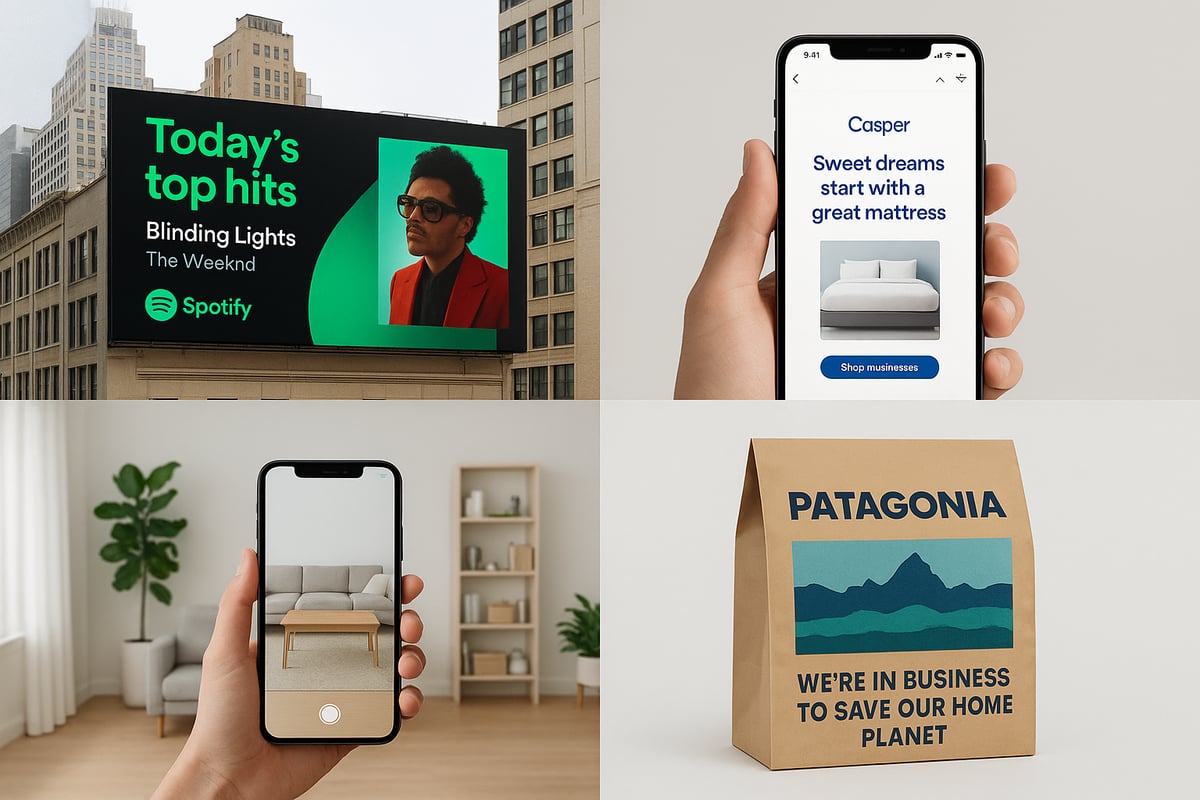
Spotify exemplifies this shift by merging physical and digital campaigns, using outdoor ads tied to streaming data for unforgettable brand recall. Consistency across all touchpoints is now essential. Without it, brands risk losing credibility and customer trust. For more real-world examples of advanced marketing design, explore these case studies of marketing innovation.
Technology’s Impact on Design Innovation
Technology is reshaping marketing design at its core. Artificial intelligence, augmented reality, and automation are driving massive changes in creative workflows. Brands use AI to personalize content and automate design tasks, allowing for faster and more relevant campaigns.
Data-driven personalization is now standard. AI-powered creative tools let marketers rapidly test and iterate ads, adapting visuals and messages for specific audiences. For example, mobile-adapted emails have been shown to increase click rates by up to 15% (Superside), highlighting the impact of tech-enabled design optimization.
Brands that embrace these new technologies are setting the pace in customer engagement. Their ability to deliver tailored, dynamic experiences puts them ahead of competitors who rely on traditional methods.
The Importance of Brand Authenticity and Storytelling
While technology powers innovation, authentic storytelling remains vital in marketing design. Audiences crave genuine connections. Brands achieve this by embedding real stories and user-generated content into their visual narratives.
Social campaigns that blend brand visuals with customer stories foster a sense of community and trust. Emotional storytelling in marketing design leads to stronger loyalty, as customers relate to messages on a deeper level. Brands that prioritize authenticity see their values reflected in customer engagement and advocacy.
Ultimately, marketing design in 2025 balances cutting-edge technology with human-centric storytelling. This combination ensures brands remain relevant and memorable in a crowded digital world.
7 Essential Marketing Design Ideas for 2025 Success
Staying at the forefront of marketing design in 2025 is not just about following trends. It is about adopting foundational strategies that build trust, drive engagement, and set your brand apart. Below, you will find seven actionable marketing design ideas, each supported by real-world examples, industry data, and practical tips to help you elevate your approach this year.
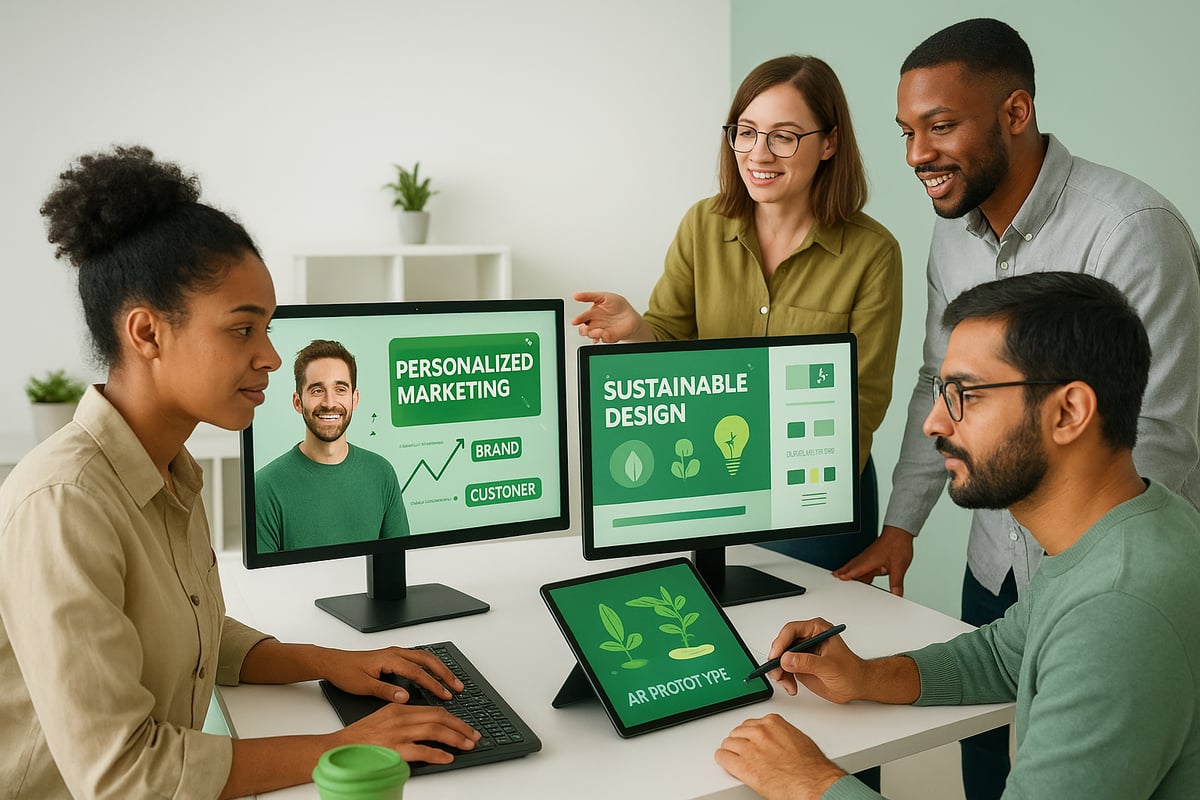
1. Hyper-Personalized Visual Experiences
Personalization has become the cornerstone of effective marketing design. In 2025, brands are leveraging deep customer data to tailor visuals, messaging, and layouts for specific audience segments. This approach ensures every interaction feels relevant and meaningful.
Dynamic creative optimization is a leading tactic. With this, ads and emails automatically adapt images, colors, and calls-to-action based on user behavior and preferences. Netflix, for example, creates personalized thumbnails and email recommendations, boosting engagement across millions of users.
Key Data Table:
| Personalization Tactic | Impact on Performance |
|---|---|
| Personalized Emails | 6x higher transaction rates |
| Dynamic Ad Creative | Increased click-through rates |
| Custom Landing Pages | Higher conversion rates |
To maintain brand consistency while personalizing, use design systems with flexible templates. AI-powered platforms make scalable personalization possible, allowing rapid testing and iteration without sacrificing visual identity.
Tips for Success:
- Segment your audience using robust analytics.
- Automate creative variations with AI tools.
- Regularly review personalized content for consistency.
Marketing design that feels personal is now the baseline for customer engagement. Brands that ignore this risk falling behind.
2. Immersive and Interactive Content Design
Gone are the days when static images and simple graphics could capture attention. In 2025, immersive experiences—think AR, VR, and interactive web content—are redefining marketing design.
Brands like IKEA are leading the way. Their AR app lets customers visualize furniture in their own homes, reducing purchase hesitation and enhancing satisfaction. Interactive content, such as quizzes, polls, and sliders, also doubles engagement compared to static formats, according to industry studies.
Popular Use Cases:
- Virtual product demos and try-ons
- Interactive infographics for data visualization
- Gamified experiences for lead generation
Best Practices:
- Prioritize accessibility, ensuring interactive features work for all users.
- Test on multiple devices to ensure a seamless experience.
- Balance innovation with simplicity to avoid overwhelming users.
Immersive marketing design creates deeper relationships by making customers active participants. This not only builds brand loyalty but also provides valuable behavioral data to refine future campaigns.
3. Sustainable and Ethical Design Practices
Sustainability is no longer optional in marketing design. Modern consumers, especially Gen Z, are scrutinizing every aspect of a brand’s footprint, from digital assets to printed collateral.
Patagonia sets a prime example, using recycled materials and transparent storytelling to highlight their commitment to the planet. Minimalist design, eco-friendly print processes, and digital-first campaigns are now standard for brands prioritizing ethics.
Key Data Table:
| Practice | Consumer Preference (%) |
|---|---|
| Sustainable Materials | 73 |
| Inclusive Visual Representation | 68 |
| Digital-First Assets | 61 |
Tips for Ethical Design:
- Audit your supply chain for sustainable sourcing.
- Opt for green web hosting to reduce your digital carbon footprint.
- Ensure ADA compliance and diverse representation in all visuals.
Ethical marketing design is a true competitive advantage. It signals to customers that your brand shares their values and is committed to lasting impact.
4. Motion and Video-First Creative Strategies
Video and motion graphics are dominating marketing design across all platforms in 2025. With the rise of short-form content, brands must prioritize movement to capture fleeting attention spans.
Moo’s use of GIFs in email campaigns has led to higher engagement and click-through rates. Industry data shows that video content is shared 1200 percent more than text and images combined.
Key Tactics:
- Short-form videos for platforms like TikTok, Reels, and Stories
- Animations and motion graphics in email and web design
- Live video streams for product launches and Q&As
Optimization Tips:
- Design for mobile-first consumption.
- Add captions and alt text for accessibility.
- Test video load times to minimize bounce rates.
Motion in marketing design is not just about aesthetics. It is about telling a story quickly and memorably, ensuring your brand stands out in crowded feeds.
5. Unified Omnichannel Brand Consistency
Consistency is the backbone of effective marketing design. In 2025, brands must ensure visual and messaging alignment across every channel, from social media to email and physical touchpoints.
Target exemplifies this with unified product launches that look and feel cohesive no matter where customers encounter them. Industry benchmarks show that consistent branding can increase revenue by up to 23 percent.
| Channel | Consistency Impact |
|---|---|
| Social Media | Higher brand recall |
| Improved trust | |
| In-Store | Seamless experience |
To scale consistency, use design systems and templates. Regularly audit your assets for alignment, and create detailed brand guidelines that cover every platform. For brands seeking expert-driven strategies to elevate their marketing design and achieve this level of consistency, partnering with marketing experts for brand growth can be invaluable.
Unified marketing design does more than build trust. It drives multi-touch conversions and strengthens brand recognition.
6. Data-Driven Design Decisions
In 2025, the most successful marketing design teams are those that let data guide their creative choices. Analytics tools like Google Analytics, Hotjar, and AI-powered platforms inform everything from A/B testing to user journey mapping.
Harry’s Shaving, for example, refines its landing pages by analyzing user behavior and feedback, resulting in improved conversion rates. Industry reports reveal that brands using data-driven marketing design experience growth five times faster than their peers.
Best Practices:
- Set clear KPIs before launching creative assets.
- Use heatmaps to see where users engage most.
- Implement feedback loops between marketing and design teams.
Data bridges the gap between creativity and ROI. It empowers marketing design teams to iterate quickly and ensure every asset performs at its best.
7. AI-Enhanced Creative Collaboration
Artificial intelligence is transforming marketing design collaboration in 2025. AI tools streamline brainstorming, automate asset creation, and simplify version control, allowing teams to focus on strategy and innovation.
Adobe’s AI-powered creative suite speeds up mockup generation, while automated tools handle resizing, content suggestions, and real-time feedback. Creative teams using AI report project delivery up to 30 percent faster.
Key Use Cases:
- Automated resizing for multi-platform campaigns
- Smart content recommendations based on real-time data
- Collaborative workspaces for instant feedback
Tips for Balance:
- Use AI for repetitive tasks, but rely on human creativity for unique concepts.
- Encourage open communication between designers and AI engineers.
- Regularly evaluate AI outputs for quality and brand alignment.
AI is not a replacement for creativity. Instead, it acts as a force multiplier, enabling marketing design teams to deliver better results, faster.
Case Studies: Brands Leading Marketing Design Innovation
Top brands are setting new standards in marketing design by blending creativity, technology, and purpose. These case studies demonstrate how forward-thinking companies are redefining what it means to connect with customers in 2025.
Spotify: Omnichannel Campaign Integration
Spotify’s approach to marketing design bridges physical and digital worlds to deepen brand recall. Their campaigns use data-driven insights to personalize billboard messaging in real time, connecting with local audiences.
For example, Spotify’s year-in-review campaigns became viral sensations by integrating user data into outdoor ads and digital experiences. This omnichannel consistency not only boosts engagement but also reinforces trust. According to Digital Advertising Growth Statistics, brands that invest in digital-first strategies are driving higher returns as consumer behaviors shift.
Spotify’s commitment to unified marketing design ensures their brand stands out across every touchpoint.
Casper: Email Design That Converts
Casper excels at using marketing design to create visually compelling, mobile-optimized email campaigns. Their emails feature clean layouts, bold imagery, and concise copy, making calls-to-action clear and irresistible.
Key elements of Casper’s approach include:
- Responsive designs that adapt seamlessly to any device
- High-contrast visuals to highlight promotions
- Personalized recommendations based on browsing behavior
This strategy consistently leads to higher open and click-through rates, with mobile-friendly emails increasing clicks by 15 percent. By prioritizing user experience in marketing design, Casper turns email into a high-performing conversion tool.
IKEA: AR and Interactive Product Experiences
IKEA is pioneering marketing design with immersive AR technology, allowing customers to visualize products in their own homes. The IKEA Place app lets users virtually place furniture, reducing purchase hesitation and enhancing confidence.
Interactive digital catalogs and AR-powered shopping experiences double engagement rates compared to static content. According to Augmented Reality in E-commerce, AR is rapidly transforming online shopping and boosting customer interaction.
IKEA’s innovative marketing design strategy not only elevates user experience but also sets a benchmark for interactive retail.
Patagonia: Ethical and Sustainable Brand Storytelling
Patagonia’s marketing design centers on transparent storytelling and sustainability. Their campaigns highlight eco-friendly materials and invite customers into the brand’s mission, fostering deep loyalty.
Key tactics include:
- Showcasing recycled materials in product visuals
- Honest messaging about environmental impact
- Inclusive imagery reflecting diverse communities
Seventy-three percent of Gen Z consumers prefer sustainable brands, making Patagonia’s ethical marketing design a major differentiator. Their approach proves that purpose-driven design resonates powerfully in today’s market.
Actionable Tips for Implementing 2025 Marketing Design Trends
Staying ahead in marketing design requires more than creativity. Brands need a systematic approach to adapt and thrive in 2025. Below are practical steps to ensure your marketing design strategy remains competitive, consistent, and impactful.
Audit and Refresh Brand Guidelines
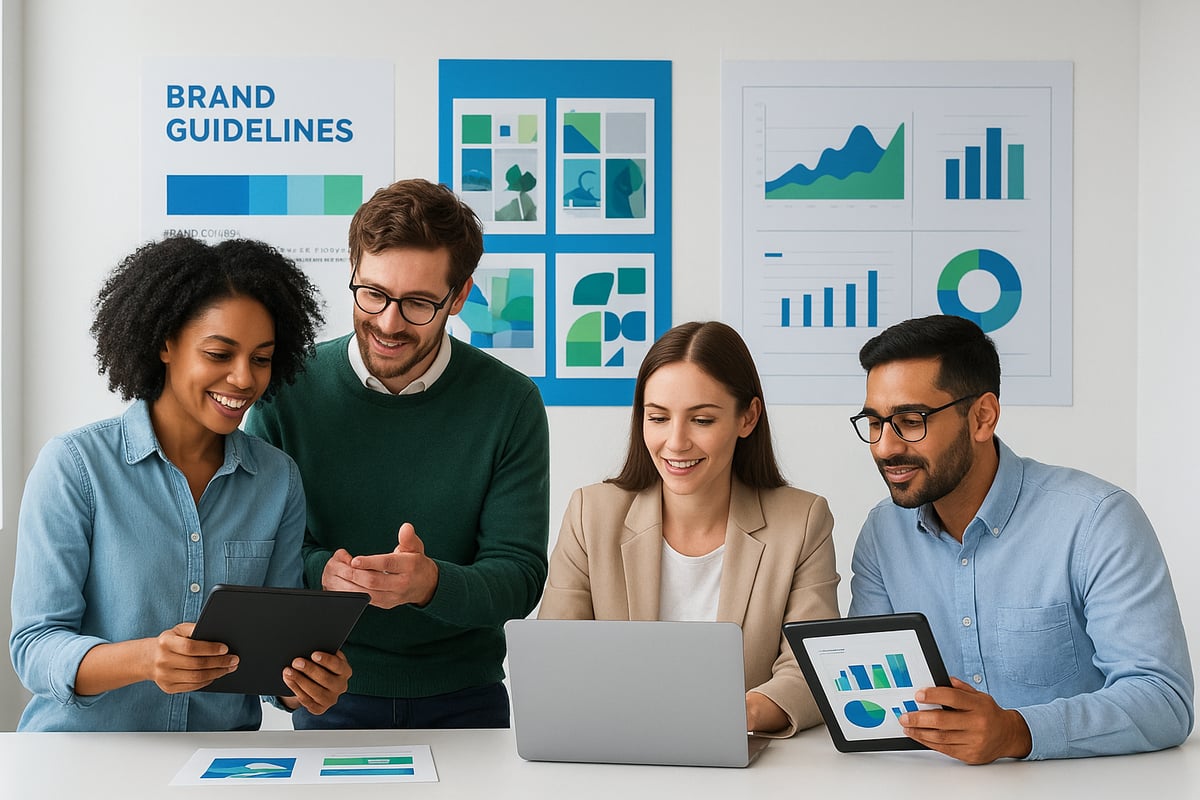
Start by reviewing your existing brand guidelines. Are they aligned with current marketing design trends such as motion graphics, personalization, and accessibility? Outdated standards can limit your ability to create cohesive experiences across channels.
- Update visual assets to reflect new brand colors, fonts, and imagery styles.
- Integrate standards for interactive and motion elements.
- Include accessibility rules, ensuring all marketing design assets are usable for everyone.
Regular audits help spot inconsistencies and keep your brand relevant. A strong foundation empowers every future marketing design initiative.
Invest in AI and Automation Tools
Efficiency is non-negotiable in modern marketing design workflows. AI-powered tools accelerate creative production, automate repetitive tasks, and enable data-driven decisions. Platforms that streamline content creation and asset management free up teams to focus on innovation.
Explore how AI in Content Creation is transforming the industry, offering features like automated design suggestions and rapid prototyping. Adopt tools that support versioning, real-time collaboration, and analytics integration to maximize your marketing design output.
Prioritize Accessibility and Inclusivity
Accessible marketing design is essential for reaching broader audiences and building trust. ADA-compliant websites, readable typography, and inclusive visuals are now expected.
- Use contrasting colors and large fonts for readability.
- Add alt text for images and captions for videos.
- Represent diverse groups in all creative assets.
By prioritizing inclusivity, your marketing design will resonate with more consumers and reflect your brand’s values.
Foster Cross-Functional Collaboration
Effective marketing design thrives on teamwork. Facilitate regular communication between marketing, design, and analytics teams to align on goals and share feedback.
- Schedule weekly creative review meetings.
- Encourage open dialogue about campaign performance.
- Utilize shared project management platforms.
Cross-functional collaboration ensures marketing design decisions are strategic, creative, and measurable.
Measure, Test, and Iterate
Continuous improvement is vital for marketing design success. Establish analytics to track performance, identify trends, and inform design adjustments.
- Implement A/B testing for landing pages and ad creatives.
- Use heatmaps and user feedback to refine layouts.
- Set clear KPIs to measure the impact of each marketing design update.
Testing and iteration close the gap between creative vision and business results, helping your brand stay agile in a fast-changing environment.