
What will set brands apart in the world of marketing digital design by 2026? As digital landscapes rapidly transform, design has become the heartbeat of marketing success. This guide delivers a practical roadmap for mastering marketing digital design in 2026.
You will discover the essential trends, core design elements, strategic types, proven planning steps, leading tools, and real-world examples that drive results. Ready to outperform the competition? Dive in for expert strategies that will shape your digital impact in the years ahead.
The State of Digital Marketing Design in 2026
The landscape of marketing digital design in 2026 is more dynamic and sophisticated than ever. Brands are rapidly rethinking their approach as new technologies, user expectations, and business goals converge. Understanding where marketing digital design stands today—and where it is heading—is essential for marketers aiming to stay ahead.
The Evolution of Digital Marketing Design
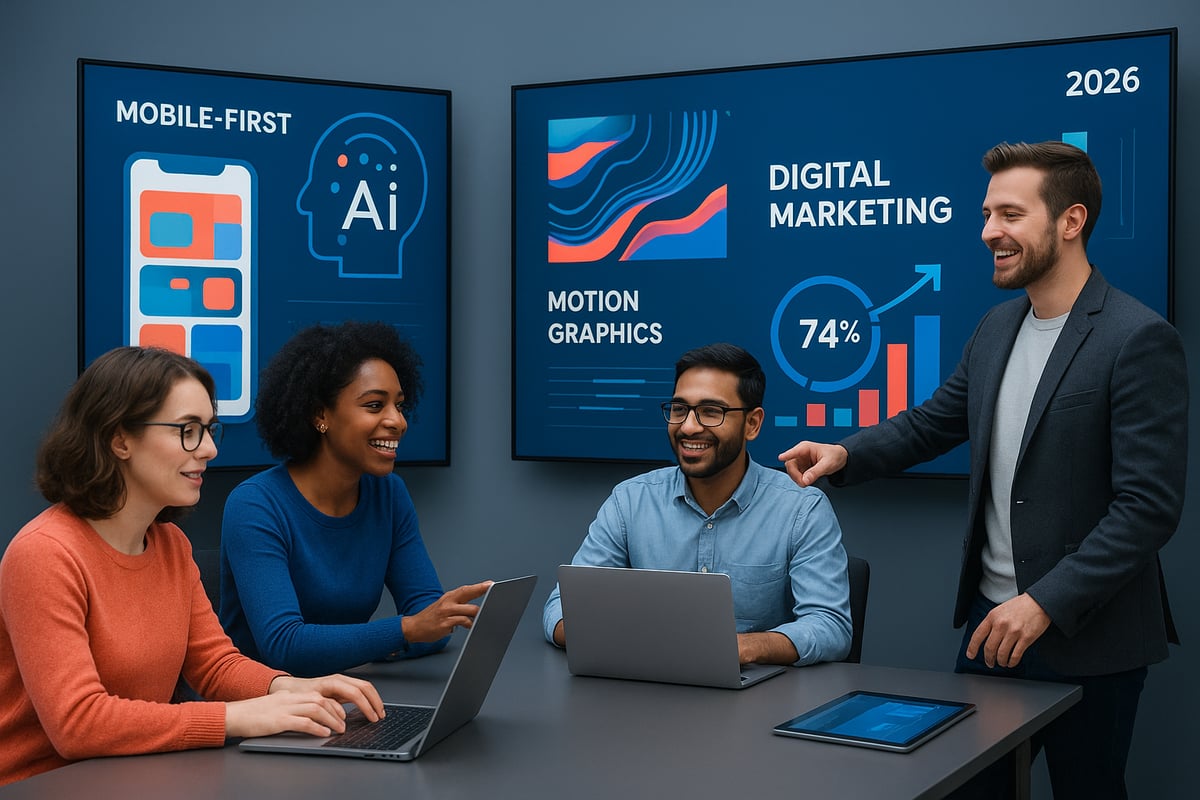
Over the past decade, marketing digital design has transformed from static banners and basic websites to immersive, personalized experiences. The integration of artificial intelligence, augmented reality, and automation tools has revolutionized how brands connect with audiences. Today, AI-generated visuals, dynamic layouts, and real-time content adaptation are standard features.
The shift from desktop-first to mobile-first strategies has made omnichannel consistency a necessity. Audiences expect flawless experiences across devices, whether they interact on smartphones, tablets, or desktops. Personalization, powered by data analytics, is now a core element—designs adapt to user preferences and behaviors in real time.
Accessibility and inclusivity are no longer optional. Brands are prioritizing designs that cater to all users, including those with disabilities. This focus is driven by both ethical considerations and business outcomes: 75% of users judge a company's credibility by its website appearance, and 38% will leave if the design is poor, according to Landingi. For more recent data on user engagement, accessibility, and the impact of AI, see Web Design Statistics 2026.
Consider these examples:
- AI-powered image generators create tailored campaign visuals instantly.
- Adaptive layouts ensure content looks great on any device.
- Cross-device consistency builds trust and reinforces brand identity.
The evolution of marketing digital design is a story of rapid innovation, with every advancement raising the bar for user experience and brand differentiation.
Major Trends Shaping 2026
Several major trends define the direction of marketing digital design in 2026. Minimalism and clean aesthetics dominate landing pages and social media posts, helping brands distill messages and boost clarity. Video and motion graphics have become primary engagement drivers, capturing attention in crowded digital spaces.
Interactive elements, such as micro-interactions and gamified features, are increasingly common. These elements encourage users to engage, explore, and share. Storytelling through authentic visuals and brand narratives is also gaining traction, as audiences seek more genuine connections.
Responsive and adaptive layouts are expected, ensuring seamless experiences across all platforms. Bold color palettes and custom typography help brands stand out and convey unique personalities. According to Forrester, prioritizing user experience in marketing digital design can increase conversion rates by up to 400%.
Key trends shaping 2026 include:
- Minimalist interfaces with clear, focused messaging.
- Short-form videos and animated graphics for higher engagement.
- Integration of interactive features and gamification.
- Brand authenticity expressed through custom visuals and stories.
- Mobile optimization and lightning-fast load times.
As marketing digital design continues to evolve, staying attuned to these trends will be critical for brands that want to captivate audiences and drive measurable results.
Core Elements of Effective Marketing Digital Design
Understanding the core elements of marketing digital design is essential for creating campaigns that resonate in 2026. Each component, from visual hierarchy to brand consistency, plays a pivotal role in shaping the user’s perception and interaction with your digital presence.

Visual Hierarchy and User Experience (UX)
A strong visual hierarchy is the backbone of effective marketing digital design. Grid systems and precise alignment bring clarity, making content easy to scan and understand. Scale and hierarchy guide users’ eyes to the most important elements, such as headlines or calls to action.
Whitespace is not just empty space; it creates breathing room, helping users focus and reducing cognitive overload. Visual balance ensures no single element overwhelms the layout, resulting in a harmonious experience.
User experience is central to marketing digital design. Intuitive navigation, fast load times, and prominent CTAs directly influence engagement and conversion rates. Consistency in design builds trust, which is critical for encouraging users to take action.
Consider these UX best practices:
- Use clear navigation menus and logical page structure.
- Optimize for speed to reduce bounce rates.
- Highlight CTAs with contrasting colors and ample spacing.
Consistent, user-focused design increases both trust and conversions, laying a solid foundation for marketing digital design that stands out in a competitive landscape.
Color, Typography, and Brand Consistency
Color choices in marketing digital design are powerful tools for shaping mood and emotion. Strategic palettes enhance readability and evoke specific feelings, making your message more memorable. Typography goes beyond legibility; it communicates your brand’s voice and personality, fostering recognition.
Maintaining brand consistency is vital. Every digital asset, from social posts to email banners, should reflect the same color schemes and typefaces. This repetition builds familiarity and trust with your audience.
For example, leading brands use signature hues and custom fonts in all their campaigns, ensuring instant recognition. Consistency is not just about aesthetics; it’s about reinforcing your brand promise at every touchpoint.
To explore more about cohesive branding, see marketing designs for brand consistency, which highlights real-world examples and strategies.
Key principles to remember:
- Choose accessible color combinations for clarity.
- Select typefaces that align with your brand’s tone.
- Apply the same visual identity across all platforms.
Brand consistency anchors your marketing digital design, amplifying your presence and long-term impact.
Imagery, Artwork, and Shapes
Imagery is a cornerstone of compelling marketing digital design. Custom photography, illustrations, and iconography inject personality and differentiate your brand in crowded markets. The choice between organic or geometric shapes can subtly communicate brand values, from friendliness to innovation.
Accessibility must be a priority. Every image should include descriptive alt text, and contrast ratios must meet current standards to ensure inclusivity. Inclusive design ensures all users can engage with your content, regardless of ability.
Consider these steps for effective imagery:
- Use original visuals instead of generic stock photos.
- Incorporate unique artwork to create visual distinction.
- Check color contrast and add alt text for accessibility.
In 2026, brands that embrace diverse, accessible, and creative imagery within their marketing digital design will capture attention and foster deeper connections with their audiences.
Types of Digital Marketing Design & Their Strategic Roles
The landscape of marketing digital design has become more diverse and strategic than ever. Brands in 2026 must master multiple design types to connect with audiences, drive engagement, and achieve business goals. Let us explore the essential categories and their unique roles in successful digital marketing.

Website and Landing Page Design
Website and landing page design are the backbone of marketing digital design strategy. In 2026, intuitive layouts, bold hero sections, and persuasive headlines remain critical. Mobile-first and responsive design are non-negotiable, ensuring seamless access across all devices.
Landing pages focus on single conversion goals, using minimalism and strong calls to action. Adaptive layouts and fast load times elevate user experience. High-performing brands leverage analytics to refine every element. For example, a SaaS company might deploy a streamlined landing page with a prominent signup button, resulting in higher conversion rates.
Email Marketing Design
Email marketing design is a vital touchpoint in marketing digital design. Clean, mobile-friendly layouts with clear CTAs drive engagement. Personalization and segmentation ensure messages resonate with specific audience segments.
Visual hierarchy, such as bold headlines and product images, enhances readability. Bullet points and concise copy keep readers interested. Product-offer emails often feature vibrant visuals and compelling CTAs, leading to higher click-through rates. Brands that standardize their email templates maintain consistency and boost recognition.
Social Media Design
Social media design shapes brand perception and encourages interaction. Each platform demands unique visuals and dimensions, making adaptability a hallmark of effective marketing digital design. Short videos, infographics, and branded templates dominate Instagram, TikTok, and LinkedIn feeds.
Trends include high-contrast colors, minimal layouts, and viral aesthetics. Marketers use custom graphics to capture attention and foster sharing. For instance, a fashion retailer might use bold, vibrant product ads to stand out in crowded social feeds, increasing engagement and brand recall.
Digital Advertising and PPC Design
Digital advertising and PPC design are pivotal for quick impact and measurable results. Static and animated creatives for Google Ads, Meta, and programmatic platforms must convey messages rapidly. Strong visuals and prominent CTAs are essential for grabbing attention in a competitive digital space.
A/B testing is integral to optimizing ad performance. Lufthansa’s display ads, featuring bold headlines and eye-catching CTAs, exemplify how strategic design can lift conversions. For more on effective ad design, see Digital advertising design best practices.
Content Marketing Design
Content marketing design transforms complex information into engaging visuals. Formats include infographics, eBooks, blog graphics, and interactive case studies. Consistency in visual storytelling is key for reinforcing brand identity.
Infographics break down data into digestible, shareable pieces. Interactive case studies, with company-logo tiles and hover effects, make content memorable. By prioritizing marketing digital design in content, brands educate and persuade audiences more effectively.
Video Marketing Design
Video marketing design leverages both short-form and long-form content to tell compelling brand stories. Motion graphics, dynamic CTAs, and subtitles are standard features. Accessibility, such as captions, ensures inclusivity.
Story-driven visuals increase viewer retention and emotional connection. High-engagement campaigns blend narrative with branding, delivering clear messages. In marketing digital design, video is a powerful medium for demonstrating products, sharing testimonials, and driving action.
Step-by-Step Guide to Building a High-Impact Digital Design Marketing Strategy in 2026
Building a high-impact marketing digital design strategy in 2026 is essential for staying ahead. The process is more complex than ever, requiring a blend of creativity, data, and technology. By following these actionable steps, you can ensure your marketing digital design efforts are aligned with business goals and audience needs. Let’s break down each stage of a winning strategy.

Step 1: Define Your Brand and Audience
Start your marketing digital design journey by clarifying your brand’s core values, mission, and visual identity. Your brand story should shape every design choice. Research your audience deeply, examining demographics, psychographics, and platform preferences. Use analytics platforms to identify what resonates.
- Conduct surveys and interviews
- Analyze social media engagement
- Review competitor strategies
Data-driven insights ensure your marketing digital design aligns with your audience’s expectations. Segment audiences for tailored messaging and visuals. For example, a B2B brand might use a corporate palette and formal typography, while a D2C brand may opt for bold colors and playful graphics. The more you know your audience, the more effective your designs will be.
Step 2: Set Clear Marketing Objectives
Establishing precise objectives is critical for an effective marketing digital design strategy. Identify what you want to achieve, whether it’s lead generation, sales, brand awareness, or engagement. Each goal should inform your design decisions.
- Define KPIs (conversion rate, CTR, engagement rate)
- Align design elements with objectives
- Prioritize high-impact channels
For instance, if increasing conversions is the focus, design landing pages with compelling CTAs and streamlined navigation. Objectives provide direction and help measure the success of your marketing digital design efforts. When your team knows the target, every asset can be crafted with purpose.
Step 3: Map the Customer Journey
A successful marketing digital design strategy addresses every stage of the customer journey. Map out all key touchpoints, such as websites, emails, social media, and ads. Each touchpoint demands a unique yet consistent design approach.
- Awareness: Eye-catching social graphics, engaging video ads
- Consideration: Informative blog visuals, product comparison tables
- Decision: Persuasive landing pages, trust-building testimonials
Consistent branding across these stages builds recognition and trust. Use a style guide to maintain visual and messaging harmony. Cohesive design ensures a seamless experience, guiding users smoothly from discovery to conversion.
Step 4: Create and Optimize Digital Assets
Develop a suite of digital assets that reflect your brand and resonate with each audience segment. Use templates for efficiency and brand consistency. Leverage A/B testing to determine which visuals, copy, or layouts perform best. Automation and AI are invaluable for personalization at scale, letting you quickly adapt to user preferences.
- Automated email campaigns with dynamic design elements
- AI-generated visuals tailored to audience behavior
- Modular templates for fast iteration
For a deeper understanding of how design integrates with marketing, see Design in digital marketing explained. By optimizing assets continuously, you ensure your marketing digital design remains effective and relevant.
Step 5: Measure, Analyze, and Iterate
Measure every aspect of your marketing digital design using reliable analytics tools. Track metrics such as CTR, conversion rate, bounce rate, and time on page. These insights reveal which designs drive results and where improvements are needed.
- Use dashboards for real-time performance tracking
- Gather user feedback for qualitative insights
- Refine assets based on data
Continuous iteration is key. Test new ideas, learn from results, and adjust strategies accordingly. This feedback loop ensures your marketing digital design evolves with changing trends and user expectations, keeping you ahead of competitors.
Tools and Technologies Powering Digital Design Marketing in 2026
The landscape of marketing digital design in 2026 is shaped by a powerful suite of tools and technologies. Today’s design teams rely on seamless collaboration, automation, and advanced accessibility features to create high-impact campaigns that resonate across channels.
Design and Prototyping Platforms
Design and prototyping platforms are at the heart of marketing digital design workflows. Leading tools like Figma, Adobe XD, Sketch, and Canva enable teams to create, edit, and share visual assets in real time. Cloud-based collaboration allows for instant feedback and streamlined project management, making it easier to maintain brand consistency.
AI-powered design assistants are transforming the creative process. These intelligent features can generate on-brand visuals, suggest layouts, and even automate repetitive tasks. For example, Figma’s AI plugins accelerate prototyping and asset creation at scale. Human-centric creativity is also gaining traction, as designers balance the use of AI with authentic, expressive elements. For a deeper look at these trends, see Graphic Design Trends for 2026.
A summary of popular design tools:
| Tool | Purpose | Key Feature |
|---|---|---|
| Figma | Prototyping, UI/UX | Real-time collaboration |
| Adobe XD | Web/App Design | Interactive prototyping |
| Canva | Quick Graphics | Templates, AI asset gen |
| Sketch | Vector Design | Plugin ecosystem |
Automation, Personalization, and Analytics
Automation is a cornerstone of modern marketing digital design. Integrating CRM systems, marketing automation, and analytics platforms enables brands to deliver personalized experiences at scale. Dynamic content adapts visuals and messages based on user behavior, while real-time dashboards provide actionable insights for fast optimization.
Personalized design elements, such as adaptive email templates, increase engagement and conversion rates. By leveraging automation, marketing teams can create tailored campaigns with minimal manual intervention. AI-driven analytics identify which visuals resonate most, allowing for rapid iteration and improved ROI.
Key components of an automated design stack:
- CRM integration for audience segmentation
- Automated A/B testing of visuals and CTAs
- Real-time analytics dashboards to monitor performance
- Dynamic content modules for personalized emails and ads
These tools empower marketers to optimize every touchpoint within the marketing digital design strategy.
Accessibility and Compliance Tools
Accessibility and compliance are non-negotiable in marketing digital design. Tools that check color contrast, font readability, and overall compliance with WCAG 2.2 standards ensure digital assets are inclusive for all users. Automated alt text generators and accessibility audits help identify and resolve potential barriers.
For instance, platforms like Stark and Axe offer plugins to flag accessibility issues directly within popular design software. Ensuring all assets meet accessibility guidelines not only broadens reach but also builds trust with diverse audiences.
Best practices include:
- Using high-contrast color palettes
- Providing descriptive alt text for all images
- Testing with screen readers and keyboard navigation
- Regular accessibility audits across digital assets
Prioritizing accessibility in marketing digital design ensures every user can engage with your brand’s content, regardless of ability.
Real-World Examples and Case Studies of Outstanding Digital Marketing Design
Real-world case studies provide invaluable insights into how brands excel with marketing digital design. Examining successful campaigns reveals what works, highlights measurable results, and uncovers strategies that can be adapted for your own initiatives. These examples demonstrate the power of innovation and data-driven design choices in achieving remarkable marketing outcomes.
High-Impact Campaigns Across Channels
Leading brands in 2026 are leveraging marketing digital design to unify their presence across web, email, and social media. For instance, Brand X launched an integrated campaign featuring a cohesive visual identity, bold color schemes, and consistent messaging. This approach ensured that every touchpoint, from landing pages to Instagram stories, reflected the same design principles.
Key elements of their campaign included:
- Custom illustrations tailored for each platform
- Mobile-first layouts optimized for speed and clarity
- Interactive product visuals embedded in emails and social posts
The impact of this marketing digital design strategy was clear. Metrics before and after the redesign showed significant improvements:
| Metric | Before Redesign | After Redesign |
|---|---|---|
| Conversion Rate | 2.5% | 5.8% |
| Engagement Rate | 8% | 17% |
| Bounce Rate | 60% | 38% |
By focusing on strong visual hierarchy and consistent branding, Brand X saw a notable increase in customer trust and engagement. The lesson for marketers is clear: a unified marketing digital design approach drives measurable results. Regular analysis and adaptation based on performance data remain essential.
Innovative Approaches and Emerging Trends
Innovation is at the heart of next-level marketing digital design. Brands are adopting cutting-edge technologies to create immersive experiences and capture audience attention. One standout example is a retail brand that used gamified landing pages to boost lead generation. Visitors could interact with product features and earn rewards, resulting in a 40% increase in qualified leads.
The adoption of AR and VR is another game changer. Forward-thinking companies are integrating augmented reality filters and virtual product demos into their marketing digital design strategies. This not only enhances engagement but also provides memorable, interactive touchpoints. For an in-depth look at how brands are leveraging these technologies, see AR and VR in Digital Marketing.
Continuous improvement is driven by user feedback and data analysis. Brands that test new formats and adapt quickly outperform competitors. Industry benchmarks show that campaigns using interactive and immersive marketing digital design elements consistently achieve higher engagement rates, setting the pace for future trends.
Frequently Asked Questions About Marketing Digital Design in 2026
Navigating marketing digital design in 2026 comes with new challenges and opportunities. Here are answers to the most common questions marketers and designers ask as they prepare for the future.
What are the most important trends in digital marketing design for 2026?
Minimalist layouts, bold color palettes, and custom typography will define marketing digital design in 2026. Interactive features, motion graphics, and video content will dominate engagement strategies. Brand storytelling will shine through authentic visuals and immersive experiences. For a closer look at how typography is evolving to drive emotion and storytelling, explore Typography Trends in 2026.
How do I choose the right design tools for my marketing team?
Begin by assessing your team’s workflow needs and technical skills. Leading platforms like Figma, Adobe XD, and Canva offer collaboration, prototyping, and asset management. Prioritize tools that support automation, cloud access, and integration with marketing channels. Test different options to find the best fit for your team’s processes.
What are the key metrics for measuring digital design effectiveness?
Track click-through rates, conversion rates, bounce rates, and time on page to gauge performance. Use A/B testing to compare design variations and analyze user behavior. Pay attention to engagement metrics across channels, such as email open rates and social shares. Regularly review analytics dashboards for actionable insights.
How can small businesses compete with larger brands in digital design?
Small businesses can stand out by focusing on brand authenticity, consistent visuals, and user-centric design. Leverage affordable design tools and templates. Prioritize personalization and local relevance. Regularly update assets based on customer feedback and data to maximize impact.
What are the best practices for ensuring accessibility in marketing design?
Ensure high contrast ratios, readable fonts, and descriptive alt text for all images. Use accessible color schemes and clear navigation. Test designs using accessibility checkers and follow WCAG guidelines. Make sure interactive elements are usable with keyboards and screen readers.
How do I maintain brand consistency across multiple digital channels?
Create and follow a comprehensive brand style guide. Standardize color palettes, typography, and imagery. Use design templates to streamline asset creation. Regularly audit all digital touchpoints to ensure alignment with your brand’s visual identity.
What role will AI and automation play in the future of marketing design?
AI and automation will power personalized experiences, generate on-brand visuals, and streamline repetitive tasks in marketing digital design. These technologies will enable faster iteration, improved targeting, and data-driven design enhancements, helping teams stay agile and competitive.