
The healthcare marketing landscape has fundamentally shifted in 2026, requiring specialized expertise that goes far beyond basic advertising placement. Media agencies have evolved from simple ad buyers into comprehensive strategic partners that orchestrate complex campaigns across multiple platforms while managing data privacy regulations, attribution modeling, and conversion optimization. For healthcare providers and franchise systems seeking sustainable growth, understanding how modern media agencies operate and deliver value has become essential to competitive success in an increasingly digital marketplace.
The Evolving Role of Modern Media Agencies
Media agencies today serve as the central nervous system of marketing operations, translating business objectives into measurable patient acquisition strategies. Unlike traditional advertising firms that focused solely on creative development, contemporary agencies manage the entire marketing ecosystem from initial audience research through final conversion tracking.
The scope of services provided by media agencies has expanded dramatically over the past five years. These organizations now handle programmatic advertising, search engine marketing, social media campaigns, connected television placement, retail media networks, and sophisticated remarketing strategies simultaneously. Healthcare-focused agencies must also navigate HIPAA compliance, healthcare advertising regulations, and the unique patient journey that spans online research, phone consultations, and in-person appointments.
Data-Driven Decision Making
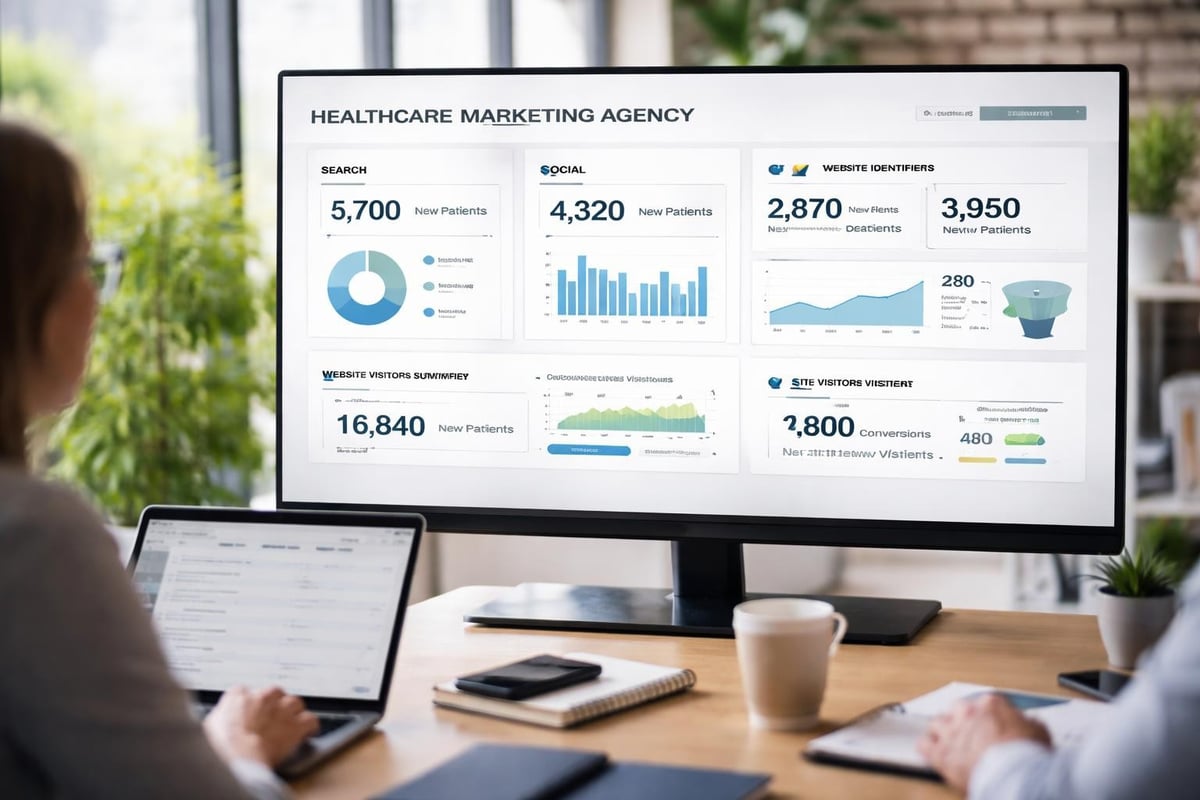
Modern media agencies distinguish themselves through their analytical capabilities and technological infrastructure. The best agencies invest heavily in proprietary data platforms that track patient behavior across touchpoints, identify high-intent prospects, and optimize campaigns in real-time based on performance metrics.
Healthcare providers benefit specifically from agencies that can:
- Identify anonymous website visitors and match them to addressable audiences
- Track patient journey stages from awareness through appointment booking
- Measure cost per qualified lead rather than just cost per click
- Attribute revenue to specific campaigns and channels
- Provide transparency into daily performance metrics
The shift toward media execution trends in 2025 has emphasized connected television, retail media networks, and artificial intelligence integration, creating new opportunities for healthcare marketers willing to adapt their strategies.
Strategic Advantages of Partnering with Specialized Agencies
Healthcare providers often debate whether to build in-house marketing teams or partner with external media agencies. While both approaches have merits, specialized agencies offer distinct advantages that directly impact bottom-line results and operational efficiency.
Access to Cutting-Edge Technology
Media agencies invest millions in marketing technology platforms that would be prohibitively expensive for individual practices or even mid-sized franchise systems. These tools include advanced attribution modeling software, audience segmentation platforms, automated bidding systems, and comprehensive analytics dashboards that provide visibility into every dollar spent.
Agencies also maintain relationships with major advertising platforms like Google, Meta, and emerging channels, granting access to beta features, preferential support, and strategic insights unavailable to individual advertisers. This technological advantage translates directly into better campaign performance and lower patient acquisition costs.
Multi-Channel Expertise and Execution
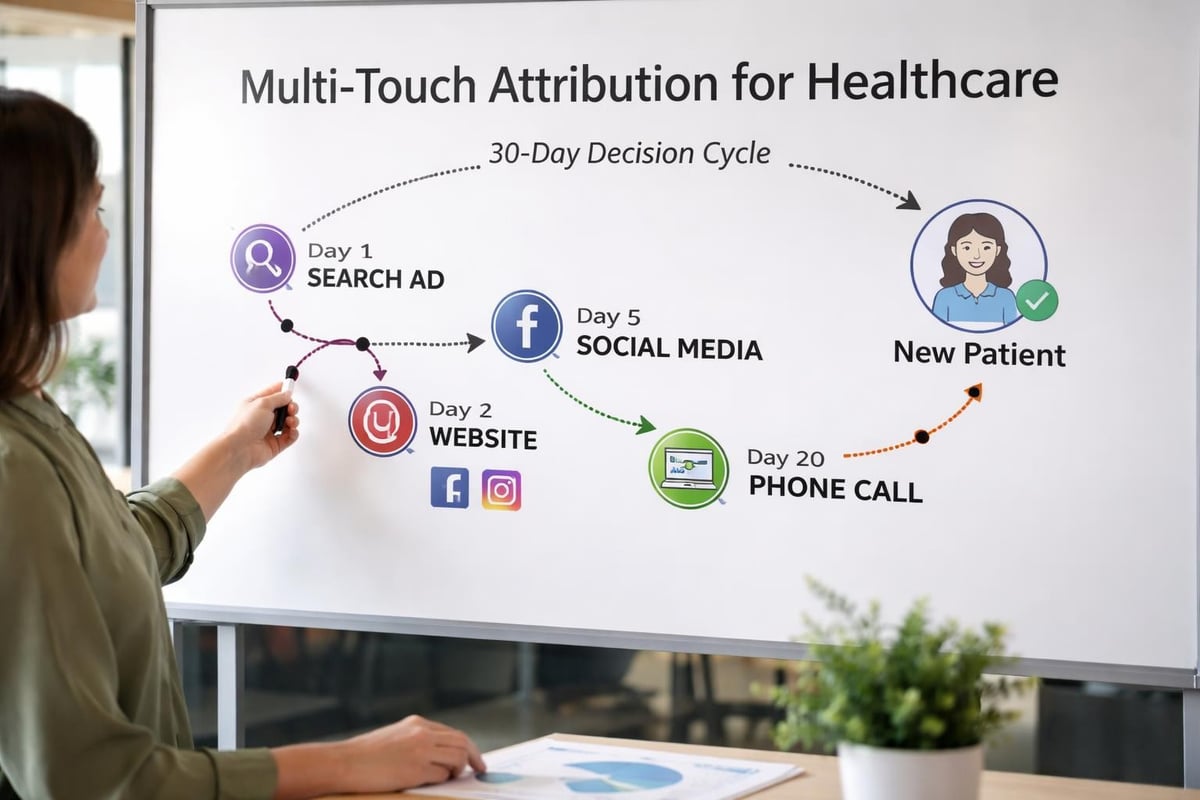
The healthcare patient journey rarely follows a linear path. Prospective patients might see a connected television advertisement, search for symptoms on Google, visit a practice website, leave without converting, then later click a retargeting ad before finally booking an appointment. Managing this complex journey requires coordination across multiple platforms and specialized knowledge of each channel's unique characteristics.
| Channel | Primary Use Case | Typical Healthcare Application |
|---|---|---|
| Search Advertising | High-intent capture | Symptom-based queries, treatment searches |
| Social Media | Awareness and education | Condition education, practice branding |
| Connected TV | Broad awareness | Geographic market penetration, brand building |
| Display Remarketing | Conversion optimization | Re-engaging website visitors, abandoned forms |
| Retail Media | Point-of-purchase | Pharmacy-related services, OTC product tie-ins |
Professional media agencies maintain specialists for each channel rather than generalists who dabble across platforms. This depth of expertise ensures that campaigns leverage channel-specific best practices and avoid common mistakes that waste budget.
Performance Measurement and Accountability
The transition from traditional media buying to performance-based partnerships represents one of the most significant changes in the agency landscape. Healthcare providers increasingly demand concrete results rather than vanity metrics like impressions or reach.
Defining Success Metrics
Effective media agencies work with healthcare clients to establish clear key performance indicators that align with business objectives. For patient acquisition campaigns, relevant metrics include:
- Cost per qualified lead – What does it cost to generate a lead that meets specific criteria?
- Lead-to-appointment conversion rate – What percentage of leads actually schedule consultations?
- Appointment show rate – How many scheduled appointments result in actual visits?
- Patient lifetime value – What is the long-term revenue generated per acquired patient?
- Return on ad spend – How much revenue is generated for every dollar invested?
The most sophisticated agencies don't just report these metrics-they guarantee them. Performance-based compensation structures align agency incentives with client success, creating true partnerships rather than transactional vendor relationships.
Attribution Challenges in Healthcare
Healthcare marketing presents unique attribution challenges that media agencies must navigate in 2026. The extended consideration period for many medical procedures, phone-based conversions, and privacy regulations make it difficult to connect advertising touchpoints to final patient acquisitions.
Advanced agencies implement multi-touch attribution models that assign appropriate credit to each interaction in the patient journey. They also use call tracking, form analytics, and CRM integration to close the loop between marketing activities and actual patient visits. This comprehensive view enables continuous optimization and ensures budget flows toward the highest-performing channels.
Technology Integration and Operational Excellence
The operational capabilities of media agencies often prove as valuable as their strategic insights. Healthcare practices need partners who can seamlessly integrate with existing systems, manage high-volume lead flow, and execute consistently across time zones and market segments.
CRM Integration and Lead Management
Modern media agencies don't simply generate leads-they ensure those leads flow efficiently into client systems and receive appropriate follow-up. This requires technical integration with customer relationship management platforms, appointment scheduling systems, and electronic health record software.
Best-in-class agencies provide:
- Real-time lead delivery through API integrations or webhooks
- Lead scoring and qualification before handoff to sales teams
- Automated follow-up sequences for non-responsive leads
- Performance dashboards accessible to both agency and client teams
- Regular data audits to maintain system integrity
For healthcare franchise systems, this integration extends to individual locations, ensuring corporate marketing efforts translate into appointments at specific facilities while maintaining compliance with local regulations and co-op advertising requirements.
Speed and Response Time Management
Healthcare consumers expect immediate responses when they express interest in services. Studies consistently show that leads contacted within five minutes convert at dramatically higher rates than those receiving delayed follow-up. Media agencies that understand this dynamic build response time into their service delivery model.
Some specialized agencies go beyond lead generation to provide appointment setting services, handling initial patient contact, answering basic questions, and booking consultations directly into provider calendars. This comprehensive approach eliminates the gap between marketing and sales, ensuring that expensive advertising investments don't evaporate due to slow follow-up.
The changing media landscape in 2025 has reinforced the importance of integrated service delivery as consumers increasingly expect seamless experiences across digital and human touchpoints.
Industry Specialization and Healthcare Expertise
Generic media agencies struggle to deliver results in healthcare marketing due to the sector's unique regulatory environment, patient psychology, and decision-making processes. Specialized agencies bring industry knowledge that directly impacts campaign effectiveness and compliance.
Regulatory Compliance and Risk Management
Healthcare advertising operates under strict regulations from multiple governing bodies including the Federal Trade Commission, Food and Drug Administration, and state medical boards. Specialized media agencies maintain current knowledge of these requirements and implement review processes that prevent costly violations.
- Understanding what can and cannot be claimed in advertising copy
- Navigating prescription drug advertising restrictions
- Complying with HIPAA regulations for patient data and targeting
- Managing testimonials and before-after imagery appropriately
- Adapting to state-specific regulations for telehealth and controlled substances
Compliance expertise protects healthcare providers from legal liability while ensuring campaigns can actually run on major advertising platforms that increasingly scrutinize healthcare-related content.
Patient Psychology and Messaging Strategy
Effective healthcare marketing requires understanding the emotional and logical factors that drive medical decisions. Specialized agencies know how to craft messages that address patient concerns, build trust, and motivate action without appearing overly salesy or exploitative.
For example, marketing addiction treatment centers requires sensitivity to stigma and privacy concerns while emphasizing hope and recovery. Medical spa advertising needs to balance aesthetic aspirations with realistic expectations and safety messaging. Men's health clinics must overcome reluctance to discuss sensitive topics while positioning treatment as empowering rather than embarrassing.
Generic agencies lack this nuanced understanding and often default to approaches that either underperform or damage provider reputations through tone-deaf messaging.
The Shift Toward Video-First and Alternative Channels
The media consumption habits of healthcare consumers have transformed dramatically, requiring agencies to adapt their channel mix and creative strategies. Traditional channels continue declining in effectiveness while emerging platforms gain share and influence.
Local television has lost more than half its media spending share since 2017, dropping from thirteen percent to just six percent by mid-2025. This shift reflects broader changes in how consumers discover healthcare information and make provider decisions.
Connected Television and Streaming Platforms
While traditional broadcast television declines, connected television and streaming platforms represent the fastest-growing advertising channels. These platforms combine the visual impact and storytelling power of television with the targeting precision and measurability of digital advertising.
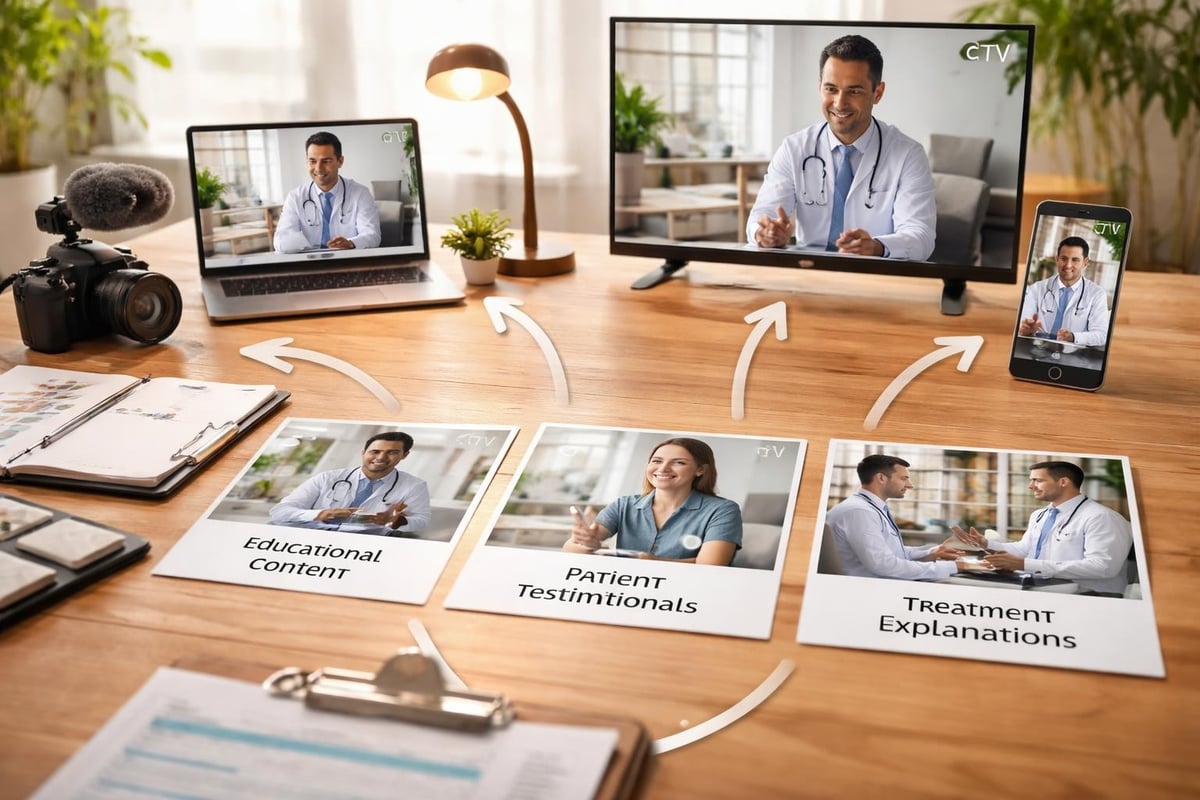
Healthcare providers can now target specific demographics, geographic areas, and even household-level audiences with video content that builds awareness and drives consideration. CTV platforms also enable retargeting, allowing providers to show follow-up messages to viewers who previously engaged with content or visited their websites.
Social Media and Short-Form Video Content
The rise of TikTok, Instagram Reels, and YouTube Shorts has created new opportunities for healthcare education and patient engagement. Forward-thinking media agencies help providers develop content strategies that leverage these platforms for both organic reach and paid promotion.
Short-form video content performs particularly well for:
- Patient testimonials and success stories
- Provider introductions and team culture
- Treatment explanations and procedure walkthroughs
- Health education on common conditions
- Behind-the-scenes practice tours
The video-first revolution extends beyond social media to influence how consumers interact with websites, search results, and email communications, requiring healthcare marketers to adapt their content production strategies accordingly.
Artificial Intelligence and Automation in Media Buying
The integration of artificial intelligence into media buying and campaign management has accelerated rapidly, creating both opportunities and challenges for healthcare marketers. Ad agency trends in 2025 emphasize AI adoption, ROI measurement, and security concerns as primary focus areas.
Automated Bidding and Budget Optimization
Modern advertising platforms use machine learning algorithms to optimize bids in real-time based on conversion likelihood, competitive pressure, and historical performance patterns. Media agencies that effectively leverage these tools can significantly reduce cost per acquisition while scaling campaign volume.
However, automated systems require proper setup, ongoing monitoring, and strategic oversight to avoid common pitfalls like budget waste on low-quality traffic or optimization toward the wrong conversion events. Experienced agencies know how to configure AI tools appropriately for healthcare-specific goals and intervene when algorithms make suboptimal decisions.
Audience Development and Predictive Analytics
AI-powered tools now enable media agencies to build sophisticated audience segments based on behavioral patterns, demographic characteristics, and predicted conversion likelihood. These capabilities are particularly valuable in healthcare marketing where privacy regulations limit traditional targeting approaches.
Advanced agencies use machine learning to:
- Identify lookalike audiences similar to existing high-value patients
- Predict which website visitors are most likely to convert
- Determine optimal ad frequency and messaging sequences
- Forecast campaign performance and budget requirements
- Detect fraudulent traffic and prevent wasted spend
The challenge lies in implementing these technologies without sacrificing the human judgment and industry expertise that remain essential to effective healthcare marketing.
Building Long-Term Strategic Partnerships
The most successful relationships between healthcare providers and media agencies extend beyond transactional campaign management to true strategic partnerships. These collaborations develop over time as agencies gain deep understanding of client businesses, competitive dynamics, and growth objectives.
Collaborative Planning and Market Expansion
Strategic media agencies participate in business planning discussions, contributing market intelligence and growth forecasting that inform broader organizational decisions. For franchise systems, this might include market selection for new locations, brand positioning strategy, or competitive response planning.
Rather than simply executing predetermined tactics, partner-level agencies recommend strategic pivots based on performance data, market trends, and emerging opportunities. This consultative approach requires trust, transparency, and alignment of incentives between client and agency.
Continuous Optimization and Innovation
Healthcare markets evolve constantly with new competitors, changing regulations, shifting consumer preferences, and emerging treatment options. Media agencies must continuously optimize existing campaigns while testing innovative approaches that maintain competitive advantage.
Best practices for ongoing optimization include:
- Weekly performance reviews with data-driven recommendations
- Monthly strategic planning sessions to assess progress toward goals
- Quarterly competitive analysis and market positioning reviews
- Regular creative testing to prevent ad fatigue and improve conversion rates
- Annual strategic planning aligned with business growth objectives
This iterative approach ensures that marketing strategies remain fresh, effective, and aligned with current market conditions rather than becoming stale or outdated.
Evaluating Agency Capabilities and Fit
Healthcare providers considering media agency partnerships should conduct thorough evaluation processes that assess both technical capabilities and cultural alignment. The right agency partner possesses specific characteristics that indicate potential for long-term success.
Essential Questions for Agency Evaluation
| Evaluation Area | Key Questions |
|---|---|
| Healthcare Experience | What percentage of your client base operates in healthcare? Can you share case studies from similar practices? |
| Technology Platform | What marketing technology do you own versus license? How do you track anonymous website visitors? |
| Team Structure | Who will actually manage my account day-to-day? What is your team's experience level? |
| Performance Guarantees | Do you offer performance-based pricing? What metrics do you guarantee? |
| Compliance Knowledge | How do you ensure HIPAA compliance? What review processes prevent regulatory violations? |
| Communication Cadence | How often will we communicate? What reports will I receive and when? |
Beyond these tactical considerations, cultural fit matters significantly. Healthcare providers should seek agencies that understand their values, respect their patient-first approach, and communicate transparently about both successes and challenges.
Red Flags and Warning Signs
Certain agency characteristics should raise concerns during the evaluation process:
- Unwillingness to provide client references or verifiable case studies
- Guaranteed results that seem unrealistic or too good to be true
- Lack of healthcare-specific experience or industry knowledge
- Unclear pricing structures or hidden fees
- Minimal technology infrastructure or reliance solely on third-party platforms
- Poor communication during the sales process
- Inability to explain how they measure and attribute results
Healthcare providers should also be wary of agencies that promise immediate results without appropriate setup time or those that focus exclusively on a single channel rather than integrated multi-channel strategies.
The transformation of media agencies from tactical service providers to strategic growth partners reflects broader changes in how healthcare organizations approach patient acquisition and revenue generation in 2026. Success requires sophisticated technology, deep industry expertise, and systematic execution across multiple channels while maintaining compliance and delivering measurable results. If your healthcare practice or franchise system needs a performance-driven partner that combines proprietary visitor identification technology, in-house pre-sales development, and comprehensive campaign management with guaranteed results, RevSpark Media offers a complete solution built specifically for healthcare providers seeking predictable, scalable growth.