
The world of digital advertising design is changing at breakneck speed. Brands that want to lead in 2026 must adapt to new creative standards, fast-evolving technologies, and shifting consumer expectations.
This guide arms you with everything you need: proven strategies, the latest trends, and expert insights for digital advertising design success. You will discover the fundamentals, explore innovative trends, learn platform-specific strategies, and master creative best practices.
Are you ready to elevate your campaigns and maximize your ROI? Dive in and future-proof your digital advertising design for the year ahead.
The Foundations of Digital Advertising Design in 2026
Digital advertising design is at the heart of modern marketing success. In 2026, the boundaries between creative and technology are nearly invisible. Every element, from striking visuals to interactive experiences, works together to engage users and drive results.
Defining Digital Advertising Design
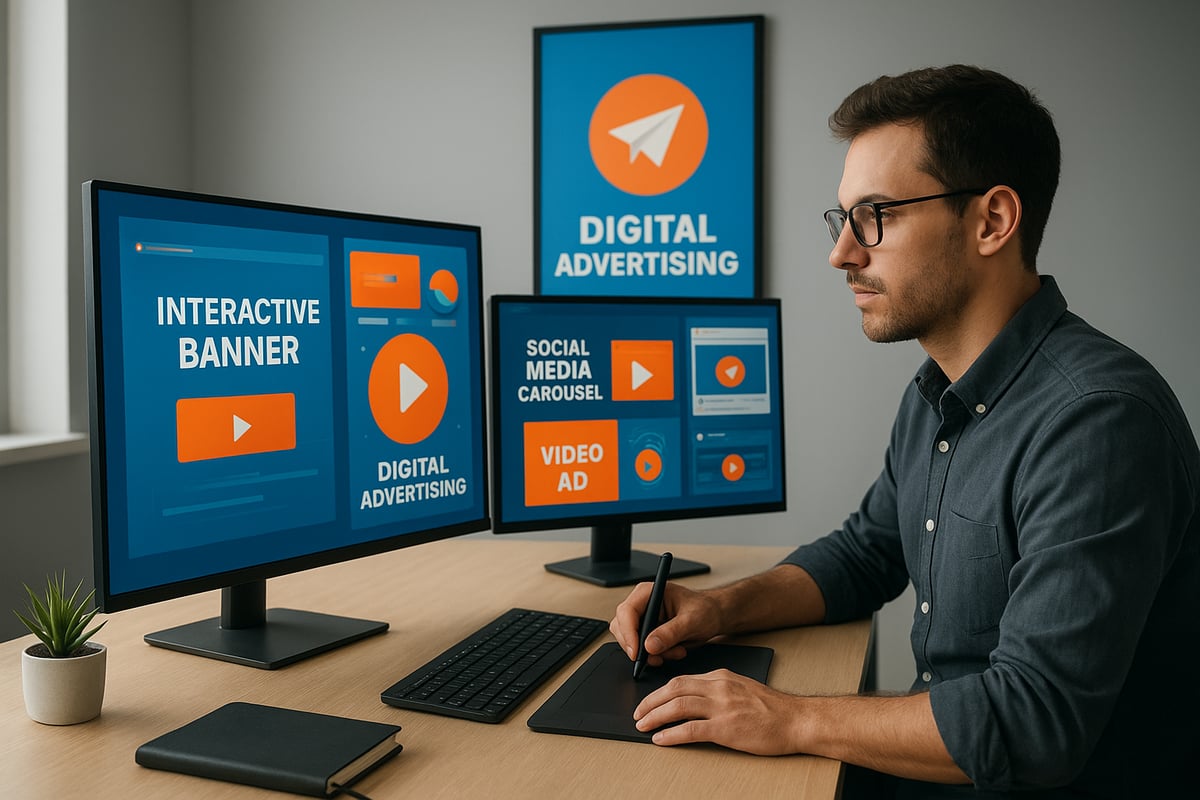
Digital advertising design encompasses much more than just graphics. It blends visuals, persuasive copy, interactivity, and seamless user experience to capture attention and inspire action. Unlike traditional print or TV ads, digital advertising design leverages technology, allowing brands to personalize messages, track performance, and optimize campaigns in real time.
Core components include ad copy, visuals, landing pages, tracking pixels, audience targeting, and budget allocation. For instance, a classic display banner simply presents static imagery and text. In contrast, a dynamic interactive ad invites users to engage, perhaps by scrolling through a product carousel or tapping to reveal more information. This evolution is driven by the need for higher engagement, as competitor insights show that digital ads now blend copy, branding, and interactive elements for better results.
The role of design is pivotal. Well-crafted digital advertising design grabs attention, guides users, and drives conversions. For marketers seeking to master these fundamentals, exploring Marketing Design Principles can provide actionable frameworks for integrating creativity and strategy.
The 6 Core Types of Digital Ads
Understanding the core types of digital ads is crucial for effective digital advertising design. Each format brings unique opportunities and requires tailored creative strategies:
- Display ads: Banners, skyscrapers, and boxes on websites, such as those found on the Google Display Network.
- Social media ads: Images, carousels, videos, and stories on platforms like Facebook, Instagram, and TikTok.
- Search ads: Text and product-based ads on search engines, often featuring images, prices, and ratings.
- Video ads: Dynamic content across YouTube, TikTok, and streaming platforms.
- Native ads: Editorial-style placements blending into website content, like Wirecutter’s product links.
- Mobile app ads: Banners, interstitials, and rewarded video ads within apps and games.
Here is a quick comparison:
| Ad Format | Example Use Case | Design Tip |
|---|---|---|
| Display | Website banner for new product | Use bold visuals, clear CTA |
| Social Media | Instagram carousel for a sale | Optimize for mobile, minimal text |
| Search | Google Shopping ad | Consistent imagery, ratings |
| Video | YouTube pre-roll | Strong opening, motion graphics |
| Native | Product link in review article | Blend with editorial style |
| Mobile App | Game rewarded video | Engaging visuals, quick action |
Effective digital advertising design means understanding how each format engages users and adapting creative to fit both platform and audience expectations.
The Importance of Omnichannel Consistency
Consistency across every channel is no longer optional in digital advertising design. Brands must maintain a unified voice and visual identity, no matter where or how their ads appear. This seamless experience builds trust, strengthens recall, and boosts campaign effectiveness.
Inconsistent design—such as mismatched colors, fonts, or messaging—can confuse users and reduce click-through rates. Studies indicate that omnichannel campaigns achieve up to 18.96% higher engagement, highlighting the tangible benefits of a cohesive approach.
Think of your brand as a familiar face in a crowd. If your digital advertising design changes from platform to platform, you risk losing recognition. In today’s fragmented digital world, consistency is a true competitive advantage.
Emerging Trends Shaping Digital Advertising Design for 2026
Innovation in digital advertising design is accelerating as brands and agencies prepare for 2026. Staying ahead means understanding and leveraging the trends that are reshaping creative strategies. From AI-driven personalization to immersive technologies, the following developments are set to define the future of digital advertising design.
Personalization & AI-Driven Creative
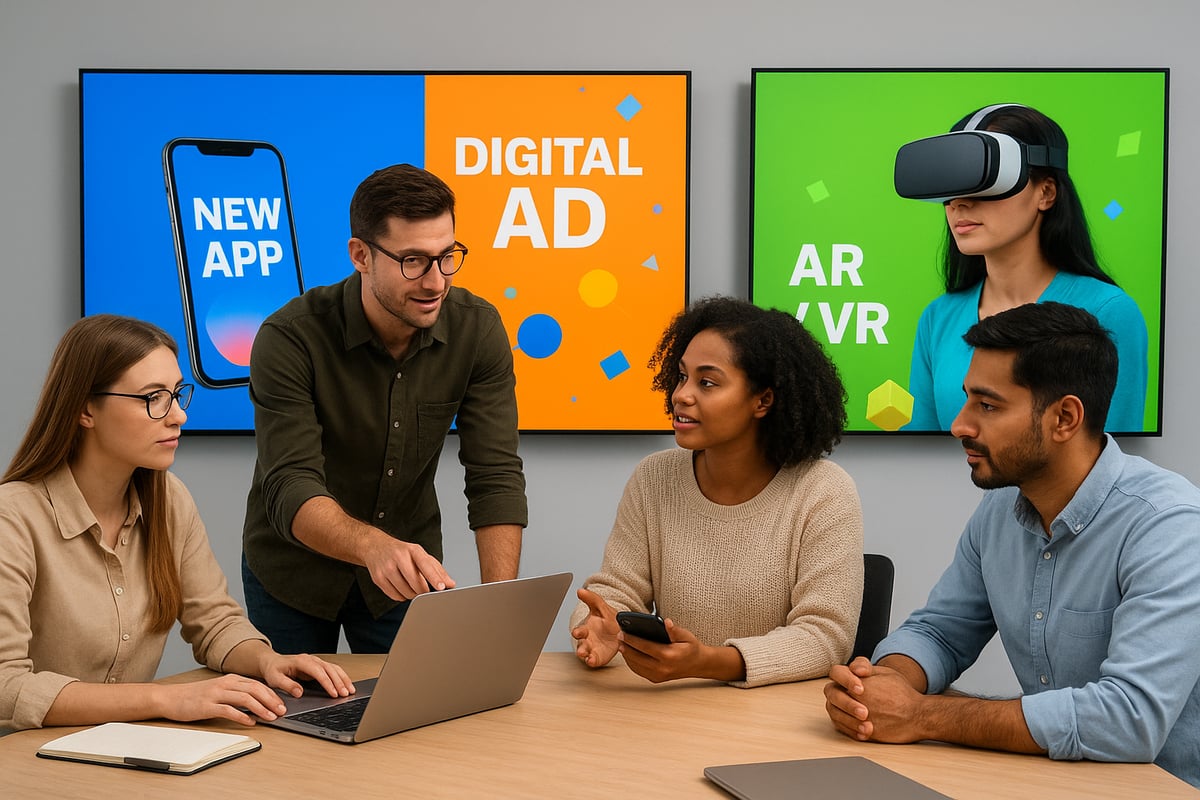
Personalization is at the heart of digital advertising design in 2026. AI-powered platforms now generate custom visuals and copy, adapting ads for each audience segment in real time. Marketers use dynamic creative optimization to serve thousands of unique ad combinations, all tailored to user preferences and behaviors.
Consider the impact: AI tools can automatically produce multiple ad variations, running A/B tests to identify top performers and continually refine messages. According to industry benchmarks, personalized ads deliver double the click-through rates and 1.5 times more conversions compared to static campaigns.
This shift means digital advertising design is no longer a one-size-fits-all process. Brands must integrate AI and data-driven insights into their creative workflow to maintain relevance and boost ROI. For example, nearly 90 percent of advertisers plan to use generative AI for building video ads, as highlighted in Generative AI in Video Advertising.
Video, Animation, and Interactive Formats
The dominance of video and animation is unmistakable in digital advertising design. Video ads, whether short-form or long-form, command the majority of attention across platforms like YouTube, TikTok, and streaming services. Animation and motion graphics enhance storytelling, making messages more memorable and visually engaging.
Interactive formats are also gaining traction. Playable ads, quizzes, and shoppable videos invite users to participate, increasing engagement and time spent with ads. For instance, Monday.com’s animated pre-roll YouTube ad combines motion and a clear call to action, resulting in higher interaction rates.
Data supports these shifts. Video ads account for over 82 percent of all internet traffic, and animated ads routinely outperform static ones in engagement by up to 30 percent. The future of digital advertising design lies in blending motion, interactivity, and concise messaging to meet rising consumer expectations.
Voice, AR, and Immersive Technologies
Voice technology and augmented reality are transforming digital advertising design, introducing new ways for brands to connect with audiences. Voice-activated ads on smart speakers and mobile devices allow for hands-free interaction, making ads more accessible and convenient.
Meanwhile, AR ads enable users to experience products virtually through their smartphones or wearable devices. Brands use AR lenses and filters, especially on platforms like Snapchat, to offer interactive product demos and virtual try-ons. This immersive approach makes digital advertising design more engaging and memorable.
Industry forecasts project AR ad spend to reach 4.1 billion dollars by 2026. Immersive ad formats not only capture attention but also drive higher recall and conversion rates. As technology evolves, brands that embrace these innovations in digital advertising design will stand out in a crowded marketplace.
Privacy, Accessibility, and Ethical Design
As privacy regulations tighten and consumer awareness grows, digital advertising design must evolve to prioritize user trust and inclusivity. Adapting creative to privacy-first environments means balancing personalization with transparency, using consent banners and minimizing reliance on third-party data.
Accessibility is equally vital. Designers must consider color contrast, font size, alt text, and inclusive imagery to ensure ads are usable by everyone. With 15 percent of the global population experiencing some form of disability, accessible digital advertising design expands reach and meets legal standards.
Ethical design goes beyond compliance. It encompasses honest messaging, diverse representation, and responsible data use. Brands that integrate privacy, accessibility, and ethics into their digital advertising design not only broaden their audience but also foster lasting loyalty and trust.
Platform-Specific Strategies for Maximum Impact
Digital advertising design reaches its highest potential when tailored to the strengths and user behaviors of each platform. As the ecosystem diversifies, brands must adopt platform-specific strategies to maximize campaign impact and ensure resources are invested wisely. For a deeper dive into optimizing campaigns across digital channels, explore these Media Advertising Strategies.

Display & Programmatic Ad Design
Display and programmatic ads remain a staple of digital advertising design, but 2026 demands more sophistication. To stand out, creative assets must be flexible, responsive, and visually arresting across a range of placements. Responsive banners and mobile-first layouts are critical, as most impressions now occur on mobile devices.
- Use adaptable templates for multiple sizes and devices.
- Balance bold visuals with whitespace for clarity.
- Incorporate clear, direct calls-to-action (CTAs).
A well-executed display ad, like The New Yorker’s high-contrast approach, pairs strong branding with a concise message. With programmatic buying now powering over 90 percent of display spend, automation requires digital advertising design systems that scale seamlessly. Consistent branding and pixel-perfect creative are essential for driving attention and conversions.
Social Media Ad Creative Best Practices
Social platforms have transformed digital advertising design by prioritizing native, engaging experiences. Each channel—Instagram, Facebook, TikTok—has unique content norms and audience expectations. Success hinges on integrating ads naturally into feeds while maintaining brand visibility.
- Keep text minimal and visuals strong.
- Use motion, such as short videos or GIFs, to capture attention.
- Design with mobile-first principles.
For example, an Instagram carousel ad with a seamless “Shop Now” CTA leverages swipe gestures and high-resolution imagery to drive interaction. Social ad budgets are rising rapidly, especially for video formats. To thrive, digital advertising design must evolve to produce scroll-stopping, platform-optimized creative that resonates with users in a crowded feed.
Search and Native Ad Optimization
Search and native environments call for a nuanced approach to digital advertising design. Search ads benefit from consistent product imagery, color harmony, and unified typography to build trust and recognition. Native ads, embedded within editorial content, require subtle brand cues to blend in without losing visibility.
- Use consistent visuals to reinforce product identity.
- Match editorial tone and format for native ads.
- Prioritize fast load times and legible fonts.
A Wirecutter affiliate placement is a classic example, where product photos and ratings appear organically within reviews. Native ads continue to outperform standard display, generating 53 percent more views. Effective digital advertising design for these channels balances brand presence with a seamless, non-intrusive user experience.
Mobile App and In-App Advertising
Mobile app environments demand a unique set of digital advertising design principles, as users expect immediacy and interactivity. Creative should harness color psychology and gamification to boost engagement, especially in banners, interstitials, and rewarded video formats.
- Use vibrant colors and intuitive layouts.
- Incorporate interactive elements, such as “tap to win” or quick polls.
- Optimize assets for speed and device compatibility.
A standout example is Candy Crush’s interactive ad for a Temu giveaway, which uses playful animation and instant rewards to drive action. With mobile ad spend set to surpass $400 billion by 2026, mobile-first digital advertising design is no longer optional—it is the baseline for reaching and converting audiences on the go.
Creative Best Practices and Design Principles for 2026
Staying ahead in digital advertising design requires more than just eye-catching graphics. To drive engagement and conversions in 2026, marketers must blend creativity, technical expertise, and a deep understanding of user behavior. The following best practices will help you create campaigns that not only capture attention but also deliver measurable results.

Crafting Compelling Visuals and Messaging
Effective digital advertising design starts with visuals that speak your brand language. Use bold, consistent color palettes and limit text to what matters most. Clear hierarchy is vital: make your primary message and CTA the focal point.
Ads with a strong CTA see conversion rates increase by more than 25 percent. See the table below for a quick comparison:
| CTA Type | Conversion Rate Increase |
|---|---|
| Clear, direct | 25%+ |
| Vague, cluttered | <10% |
Simplicity is your ally. When visuals, messaging, and calls to action are direct, your audience is more likely to respond. For inspiration, review Graphic Design Trends for 2026 to see how texture and warmth can humanize your digital advertising design.
Motion, Animation, and Microinteractions
Motion is now a baseline expectation in digital advertising design. Subtle animations—such as animated CTAs or microinteractions like hover effects—guide user attention and boost recall.
Animated transitions help break down complex ideas, making your message more accessible. Recent data shows that animated ads outperform static alternatives by 20 to 30 percent in engagement. However, ensure motion always serves your core message rather than distracting from it.
Designing for Speed, Responsiveness, and Accessibility
Digital advertising design must perform well across all devices. Optimize images and code for fast loading, since 53 percent of users leave mobile sites that take longer than three seconds to load.
Accessibility is equally crucial. Use readable fonts, ensure strong color contrast, and always include descriptive alt text for visuals. Best practices include:
- Large, legible typography
- Sufficient color contrast
- Concise, meaningful
alttext
Inclusive design not only broadens your reach but also meets regulatory expectations.
Testing, Iteration, and Creative Experimentation
Continuous testing is the backbone of high-performing digital advertising design. Use A/B tests to compare visuals, copy, and formats. Analytics and heatmaps reveal what resonates most with your audience.
AI-driven platforms can now auto-optimize creative in real time. Brands running four or more creative variations have seen ROI climb by 60 percent. Creative experimentation is not optional—it is essential for sustained growth in a rapidly evolving landscape.
Measuring Success: Analytics and Optimization in Digital Ad Design
In 2026, measuring the effectiveness of your digital advertising design is essential for driving ROI and staying ahead of the competition. With advanced analytics, real-time optimization, and a focus on actionable data, brands can make informed decisions that elevate campaign performance.
Key Metrics for Evaluating Digital Ad Performance
Understanding which metrics matter most is the foundation of effective digital advertising design measurement. Some of the most critical indicators include:
- Click-through rate (CTR): Reveals how compelling your ad creative and message are.
- Conversion rate: Measures the percentage of users who take the desired action after clicking.
- Viewability: Tracks how often your ad is actually seen by users.
- Engagement metrics: Includes likes, shares, comments, and video completion rates.
- Cost per acquisition (CPA): Shows the efficiency of your spend.
Platform-specific KPIs also play a vital role. Social campaigns often track video completion rates or shares, while search ads focus on assisted conversions and cost per click. As digital advertising design evolves, comparing static versus animated ad performance can reveal which creative assets resonate best.
For example, video completion rates average 70 percent on TikTok and 50 percent on YouTube, demonstrating the growing power of dynamic formats. The right metrics should always align with your campaign objectives, ensuring your digital advertising design delivers measurable results.
Attribution, Tracking, and Data-Driven Creative Decisions
As customer journeys become more complex, attribution modeling is essential for understanding which touchpoints drive results. Multi-touch attribution considers each interaction a user has with your digital advertising design, from the first impression to final conversion.
Tracking pixels, UTM parameters, and server-side analytics are crucial tools for capturing actionable data. For instance, integrating Google Analytics and Facebook Pixel enables you to analyze user behavior across channels and refine your creative strategy accordingly.
Brands that leverage advanced attribution models report up to 30 percent higher marketing efficiency. Data empowers teams to optimize digital advertising design in real-time, identifying which visuals, messages, and formats are most effective. By making data-driven creative decisions, marketers can iterate quickly and maximize impact.
Continuous Improvement: Feedback Loops and Scaling Success
Successful digital advertising design is a continuous process of experimentation and refinement. Establishing strong feedback loops between creative, media, and analytics teams is vital for agile optimization.
Top brands use analytics to identify high-performing creative, then scale those assets across platforms and formats. Dynamic creative optimization systems can automate this process, reducing cost per conversion by up to 40 percent.
For actionable strategies on managing and optimizing campaigns, see these Advertising Campaign Management Tips.
Continuous iteration, guided by real-time feedback, ensures your digital advertising design remains effective as trends and platforms shift. Agility and responsiveness are key, allowing you to adapt quickly and maintain a competitive edge in a rapidly evolving landscape.
Future-Proofing Your Digital Advertising Design Strategy
To thrive in a rapidly evolving digital landscape, brands must future-proof their digital advertising design strategies. Adapting to new platforms, technologies, and consumer expectations is essential for sustained success. This section outlines practical approaches and expert guidance for staying ahead in 2026.
Anticipating Platform and Technology Shifts
The digital advertising design landscape is in constant flux, with new platforms and technologies emerging every year. Brands should monitor trends like connected TV, the metaverse, and next-gen social platforms. Investing early in these channels can create a significant competitive edge.
AI-generated content, automation, and immersive formats like AR and VR are quickly becoming standard. According to Digital Advertising Trends 2026, hyper-personalization and interactive ad experiences will dominate the industry. Early adoption of these trends positions brands for greater visibility and audience engagement.
To remain relevant, marketers should regularly review industry reports, attend conferences, and participate in beta programs. By anticipating change, digital advertising design strategies become more resilient and adaptable.
Building Agile, Scalable Design Systems
A robust design system is the backbone of effective digital advertising design. Modular frameworks, reusable templates, and brand kits enable rapid creative production and easy adaptation to new formats.
Key elements of scalable design systems include:
- Centralized asset libraries for consistency
- Automated resizing tools for omnichannel campaigns
- Brand guidelines for color, typography, and imagery
Leveraging automation allows teams to launch more campaigns with fewer resources. As highlighted in Creative Trends for 2026, embracing high-energy visuals and flexible templates will drive creative impact. Investing in design systems accelerates innovation and ensures digital advertising design remains consistent across all touchpoints.
Talent, Collaboration, and Workflow Optimization
People are at the heart of every successful digital advertising design strategy. Cross-functional collaboration between creative, media, and analytics teams unlocks more effective campaigns. Upskilling designers in AI, motion graphics, and interactive formats is essential for keeping pace with industry demands.
Streamlined workflows, clear communication, and modern project management tools increase speed to market. For actionable guidance on building high-performing teams, explore Digital Marketing Team Collaboration. Fostering a culture of experimentation and learning ensures that your digital advertising design process remains agile and innovative.
Ethical, Inclusive, and Sustainable Ad Design
Future-proofing digital advertising design also means prioritizing ethics, inclusion, and sustainability. Diverse representation in visuals and messaging increases brand trust and relevance. Designing with accessibility in mind—such as using readable fonts, sufficient contrast, and alt text—ensures all users can engage with your ads.
Sustainability is gaining importance, with brands minimizing digital ad carbon footprints by optimizing file sizes and choosing eco-friendly hosting. Ethical data practices and transparency build long-term consumer loyalty. By embedding these values into digital advertising design, brands safeguard their reputation and broaden their reach.
Action Plan: Steps to Elevate Your Digital Ad Design for 2026
Ready to future-proof your digital advertising design strategy? Follow this actionable checklist:
- Audit current creative assets for gaps and inconsistencies
- Invest in AI tools, automation, and emerging technologies
- Build a cross-functional team with ongoing training
- Establish robust measurement and feedback systems
- Stay informed on trends and refine your approach regularly
Proactive, strategic action is the key to sustainable digital advertising design success. By following these steps, brands can adapt quickly, seize new opportunities, and achieve measurable results.