
In 2026, the landscape for managing campaigns is rapidly evolving, driven by the need for precision and real-time, data-backed decisions. Gone are the days when creativity alone could guarantee results. Today, success requires a strategic blend of analytics, adaptability, and cutting-edge technology.
This guide is designed to help marketing leaders and teams stay ahead. You will discover proven frameworks, next-generation tools, and industry best practices to ensure every campaign delivers measurable results.
From campaign planning and audience targeting to leveraging AI, tracking ROI, and adapting for the future, this article provides everything you need for campaign success. Ready to unlock your full potential? Let us dive in.
The Foundations of Effective Campaign Management
Establishing strong foundations is essential for managing campaigns that consistently drive measurable outcomes. Each element, from setting objectives to ensuring compliance, plays a vital role in building campaigns that adapt and thrive in 2026's dynamic landscape.

Defining Campaign Objectives and KPIs
The first step in managing campaigns is to set clear, SMART objectives that align with your broader business goals. Precise objectives help teams focus on what truly matters and guide every decision throughout the campaign lifecycle.
Common KPIs include customer acquisition cost, return on ad spend, click-through rate, and conversion rates. Establishing benchmarks using both historical data and industry standards ensures realistic targets and progress tracking. For instance, a retail brand once improved ROI by redefining KPIs to focus on customer lifetime value, not just immediate sales.
Aligning objectives with business strategy is essential. For a detailed approach, explore Setting and achieving advertising goals for actionable guidance on defining, tracking, and measuring campaign KPIs.
Understanding Your Target Audience in 2026
Effective managing campaigns depends on deep audience understanding. In 2026, marketers leverage first-party data, AI-driven segmentation, and predictive analytics to reveal evolving consumer needs.
Privacy regulations like GDPR and CCPA require marketers to adapt their tactics, ensuring compliance while still gathering actionable insights. Personalization at scale is now possible, thanks to dynamic content and automated messaging.
B2B strategies may focus on decision-maker personas with tailored value propositions, while B2C efforts prioritize emotional resonance and convenience. Recognizing these differences sharpens targeting and maximizes engagement.
Choosing the Right Channels and Formats
Selecting the appropriate channels is a cornerstone of managing campaigns. Marketers evaluate digital, social, offline, and hybrid options, balancing reach and relevance.
Emerging trends include video, voice search, AR/VR, and interactive formats. The debate between multi-channel and omnichannel approaches is ongoing, but both aim to deliver a seamless customer experience. Recent data shows that 75 percent of marketers plan to increase cross-channel investment.
A successful cross-channel campaign might blend social ads, email, and in-store promotions, resulting in improved brand awareness and higher conversion rates.
Budgeting and Resource Allocation
Strategic budgeting is central to managing campaigns efficiently. Budgets should reflect campaign objectives, expected ROI, and available resources. Marketers must decide between in-house teams or agency partners and assess technology investments for automation and analytics.
Agile budgeting allows for quick adjustments as data comes in, optimizing spend for the highest impact. For example, one company implemented dynamic budgeting and saw a 22 percent boost in efficiency, maximizing their marketing investments.
Compliance and Ethical Considerations
Navigating compliance is an integral part of managing campaigns in 2026. Marketers must stay current with evolving ad regulations and platform policies to avoid costly penalties.
Ethical targeting and transparent data usage foster trust with consumers. Consent management platforms help maintain compliance and demonstrate a commitment to privacy. Brands that prioritize responsible practices are better positioned to build lasting customer relationships and protect their reputations.
Step-by-Step Campaign Planning for 2026
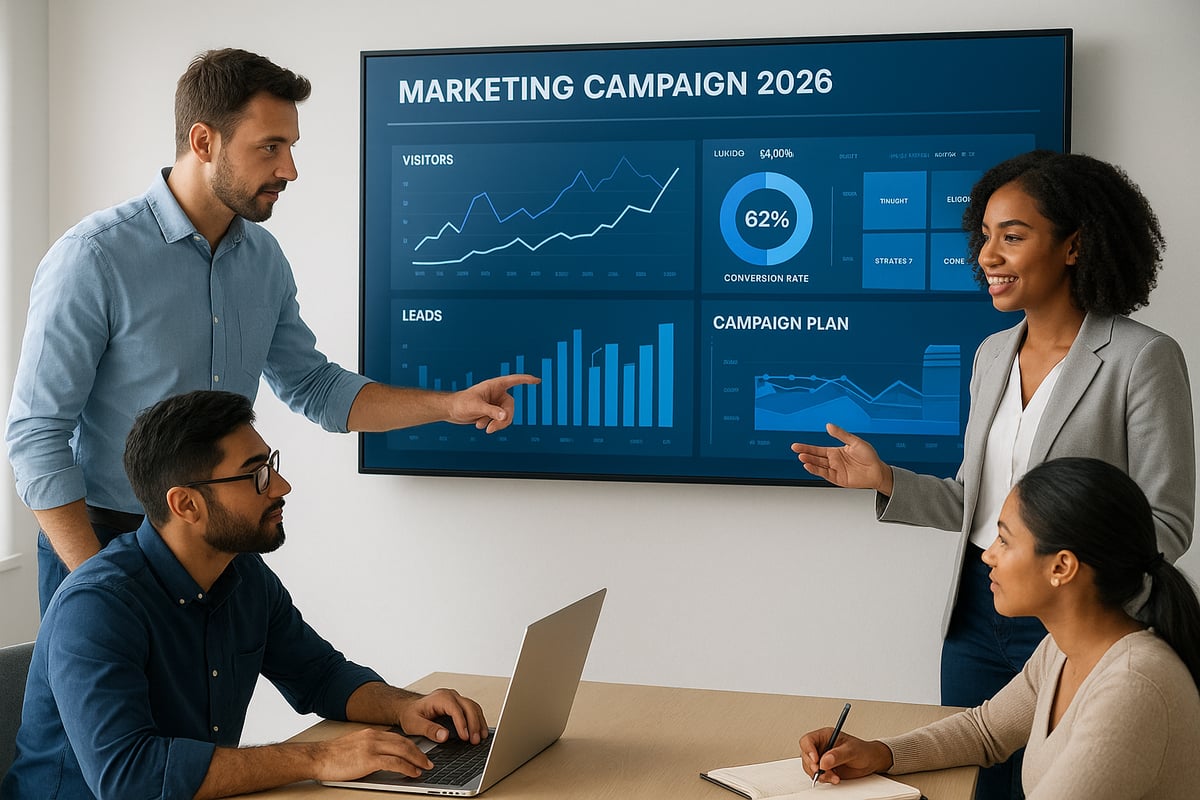
Strategic planning is the backbone of managing campaigns that truly perform. In 2026, the process must be agile, data-driven, and adaptable to market changes. Here is a step-by-step approach to planning high-impact campaigns, ensuring you address every critical element for success.
Research and Market Analysis
Effective managing campaigns starts with thorough research and real-time analysis. Begin by evaluating your competitors, studying their strengths, weaknesses, and market positioning. Look for emerging trends and shifts in consumer preferences, using tools like Google Trends, SEMrush, or social listening platforms.
Social listening uncovers what audiences care about, helping you tailor your message. For example, a brand monitoring online conversations can detect a rising demand for sustainability, allowing them to adjust messaging promptly. Analyzing this data ensures your managing campaigns are grounded in current realities and can adapt quickly to shifts.
Audience Segmentation and Persona Development
Understanding your audience is at the heart of managing campaigns. Leverage CRM and first-party data to segment customers by demographics, behaviors, and psychographics. AI-powered tools refine these segments in real time, revealing micro-audiences with specific needs.
Develop detailed buyer personas, capturing motivations, challenges, and preferred channels. Map each persona's journey, identifying touchpoints for personalized engagement. Studies show that persona-driven messaging increases engagement by up to 30 percent, underscoring its value in managing campaigns that resonate.
| Persona Element | Description |
|---|---|
| Demographics | Age, gender, location |
| Psychographics | Interests, values, lifestyle |
| Behavior | Purchase history, site activity |
Crafting Messaging and Creative Assets
Compelling messaging is essential for managing campaigns that cut through the noise. Align your content with audience pain points, using storytelling and emotional triggers to build connections. Experiment with formats popular in 2026, such as short-form video and interactive ads.
A/B test creative assets to identify what resonates best. For example, testing different headlines or imagery can reveal substantial differences in performance. The key is to let data guide your creative decisions, refining your approach with every campaign for maximum impact.
Channel Selection and Media Planning
Selecting the right channels is crucial for managing campaigns that reach and engage your audience. Assess digital, social, traditional, and hybrid options, considering where your personas are most active. In 2026, trends like video, voice search, and AR/VR are gaining ground.
Adopt a multi-channel or omnichannel approach for greater reach and consistency. Programmatic advertising can streamline buying and improve targeting efficiency. For further insights, explore Running successful digital campaigns to optimize channel strategy and execution.
| Channel Type | Strengths | Example Formats |
|---|---|---|
| Digital | Measurable, scalable | Search, social, video |
| Offline | Brand building, local reach | Print, events |
| Hybrid | Integrated experiences | QR codes, AR displays |
Campaign Timeline and Project Management
To keep managing campaigns on track, establish a clear timeline with defined milestones. Develop a campaign calendar outlining key dates for creative development, approvals, launches, and reporting.
Utilize collaboration tools like Asana or Trello, especially for remote or hybrid teams. Embrace agile project management, breaking work into sprints and holding regular standups. Streamlined workflows can reduce launch delays and ensure campaigns are delivered on time and within scope.
Risk Assessment and Contingency Planning
Every managing campaigns initiative faces potential risks, from platform policy changes to sudden shifts in audience behavior. Identify these risks early and create contingency plans, including backup creative assets and alternative channels.
Monitor campaigns in real time to detect issues quickly. Establish protocols for crisis response, such as pausing ads or shifting spend during disruptions. Brands that pivoted quickly during recent market shocks maintained momentum and protected ROI, underlining the importance of proactive risk management in managing campaigns.
Leveraging Technology and Automation for Campaign Success
Technology is transforming the way organizations approach managing campaigns. In 2026, success depends on integrating automation, artificial intelligence, and advanced analytics into every stage of campaign management. These innovations not only boost efficiency but also enable greater precision, personalization, and scalability.

The Role of AI and Machine Learning
Artificial intelligence is now central to managing campaigns effectively. AI tools analyze massive data sets to predict audience behaviors, automate segmentation, and optimize content delivery in real time. This allows marketers to personalize experiences at scale, increasing engagement and ROI.
Machine learning algorithms can automate bid management and budget allocation, ensuring resources are directed where they deliver the greatest impact. Chatbots powered by AI handle routine customer inquiries, freeing teams to focus on strategy. As a result, managing campaigns becomes more agile, responsive, and data-driven.
Marketing Automation Platforms and Tools
Marketing automation platforms are essential for streamlining complex processes in managing campaigns. Leading tools such as HubSpot, Marketo, and Salesforce integrate with CRM and analytics systems, enabling seamless lead nurturing, audience segmentation, and workflow automation.
Automation does more than save time; it empowers teams to deliver consistent, personalized messaging across channels. According to Marketing Automation Statistics 2026, a growing majority of marketers are leveraging these platforms to drive measurable improvements in campaign performance. Automated email sequences, for example, can increase conversion rates by 25%, making them a vital component of any modern campaign strategy.
Real-Time Analytics and Performance Tracking
Real-time analytics are indispensable for managing campaigns in a fast-moving digital landscape. Advanced dashboards allow teams to monitor performance as it happens, track key metrics such as attribution, engagement, and customer lifetime value, and make rapid adjustments to maximize ROI.
The ability to act on live data means marketers can identify underperforming tactics and pivot quickly. This agility is crucial for optimizing campaigns and ensuring every marketing dollar delivers measurable results. Managing campaigns with robust analytics tools also supports better reporting and clearer communication with stakeholders.
Data Privacy and Security in Automated Campaigns
With automation and advanced data usage, privacy and security are top priorities in managing campaigns. Marketers must comply with evolving regulations, such as GDPR and CCPA, and implement secure data storage and encryption practices.
Transparent data handling and clear consent management not only build consumer trust but also protect brand reputation. Privacy-first campaigns consistently see higher engagement and loyalty. By making data ethics a core part of managing campaigns, organizations can balance innovation with responsibility and ensure long-term success.
Optimization and Continuous Improvement
Continuous optimization is vital for managing campaigns that deliver consistent growth and strong results. Iterative improvements, data-driven decisions, and a culture of experimentation ensure your team stays ahead of the curve. This section explores how to refine every aspect of campaign performance for 2026.

A/B Testing and Experimentation
A/B testing is the cornerstone of managing campaigns for maximum impact. Start by designing clear tests that compare single variables, such as headlines or CTAs. Use multivariate testing for more complex scenarios, but avoid testing too many elements at once. Analyze the results promptly, focusing on statistically significant differences. Common pitfalls include small sample sizes or misinterpreted data, which can lead to misleading conclusions. For example, a retail brand increased CTR by 15 percent by systematically testing headlines. By prioritizing regular experimentation, managing campaigns becomes a proactive process, not just a reactive one, ensuring every decision is grounded in evidence.
Attribution Modeling and ROI Analysis
Choosing the right attribution model is essential in managing campaigns and understanding what drives conversions. Multi-touch attribution gives a holistic view by crediting all touchpoints, while last-click attribution focuses on the final interaction. Advanced analytics tools help calculate true ROI, revealing which channels overperform or underperform. Regularly reviewing attribution models prevents outdated assumptions from skewing results. For instance, a SaaS company discovered that their email channel was undervalued until attribution modeling revealed its influence on conversions. By integrating robust ROI analysis, managing campaigns becomes a science rather than a guessing game, maximizing budget effectiveness.
Iterative Campaign Refinement
Managing campaigns successfully means treating every campaign as a learning opportunity. Use feedback loops to gather insights from audience behavior, engagement metrics, and sales data. Implement agile marketing principles, such as frequent sprints and retrospectives, to adapt quickly. Document what worked and what did not, and apply these learnings to future initiatives. Incorporating advertising campaign management best practices ensures you have a solid framework for continuous improvement. Teams that iterate monthly are 60 percent more likely to outperform competitors, making iterative refinement an indispensable part of managing campaigns.
Scaling Successful Campaigns
Once you identify what works, scaling becomes the next challenge in managing campaigns. Analyze winning elements and adapt them for broader audiences or new markets. Adjust budgets and resources to support increased reach without sacrificing quality. Consistency in messaging is key, but do not overlook the value of customization for different segments. A local campaign that achieved strong results can be scaled nationally by leveraging the same creative assets and adapting the offer for regional preferences. Managing campaigns effectively at scale requires careful planning, resource allocation, and ongoing performance tracking.
Knowledge Sharing and Team Enablement
A culture of knowledge sharing is fundamental for managing campaigns efficiently. Document processes, key learnings, and campaign outcomes. Use cross-team workshops to foster collaboration and upskill staff on new tools and best practices. Training sessions ensure everyone understands the latest frameworks in managing campaigns. Encouraging experimentation and open communication leads to innovative solutions and faster problem-solving. For example, teams that regularly share insights see a 20 percent increase in efficiency. Empower your team with the right resources and a mindset focused on continuous improvement.
Benchmarking and Industry Comparison
Benchmarking is a strategic element of managing campaigns in a competitive landscape. Set performance benchmarks using historical data and industry standards, and participate in peer groups or industry studies to gain perspective. Compare your results with competitors to identify gaps and opportunities. Regular benchmarking helps you stay ahead of trends and adjust strategies proactively. For instance, a B2B marketer improved performance by 10 percent after benchmarking against industry leaders. By making benchmarking part of your routine, managing campaigns becomes a dynamic, forward-looking process.
Future-Proofing Your Campaign Strategy for 2026 and Beyond
Staying ahead of the curve is essential when managing campaigns in a rapidly evolving digital landscape. Success in 2026 requires a proactive approach to innovation, consumer trends, and regulatory shifts. Future-proofing your strategy ensures your team is prepared to adapt, scale, and lead in the face of uncertainty.
Embracing Emerging Technologies
New technologies are reshaping how brands approach managing campaigns. Marketers are increasingly exploring the impact of AR, VR, blockchain, and the metaverse to engage audiences in immersive ways. Early adopters showcase successful campaigns that leverage these tools for deeper interaction and brand storytelling.
According to the Marketing Campaign Management Market Forecast, 40 percent of marketers plan to invest in AR/VR campaigns, highlighting the importance of evaluating which innovations best fit your objectives. Integrating AI-powered creative tools can further enhance efficiency and personalization, keeping your managing campaigns strategy ahead of the competition.
Adapting to Evolving Consumer Behaviors
Consumer expectations are shifting toward social commerce and shoppable content, influencing how brands approach managing campaigns. Audiences now demand authenticity and transparency in every touchpoint, from product discovery to purchase.
Brands that tap into user-generated content (UGC) and real-time engagement are seeing higher conversion rates. For example, companies that encourage customers to share experiences build trust and loyalty, driving long-term value. Successful managing campaigns in 2026 will prioritize listening to evolving customer needs and delivering seamless, personalized journeys.
Sustainability and Social Responsibility in Campaigns
Sustainability is no longer optional in managing campaigns. Modern consumers seek out brands that demonstrate environmental and social responsibility. Incorporating eco-friendly messaging and authentic corporate social responsibility (CSR) initiatives strengthens brand affinity.
Recent studies reveal that 65 percent of consumers prefer brands with strong sustainability commitments. Marketers should highlight initiatives such as ethical sourcing, carbon-neutral operations, or community involvement. Embedding these values into managing campaigns not only appeals to conscious consumers but also differentiates your brand in a crowded marketplace.
Building Agile and Resilient Teams
Agility is critical for managing campaigns effectively in a dynamic environment. Teams equipped with digital skills and a learning mindset outperform their peers by 30 percent. Recruiting for adaptability and encouraging continuous upskilling ensures your organization can pivot as market conditions change.
Cultivating cross-functional collaboration and fostering a culture of experimentation empowers teams to innovate. By enabling team members to test new ideas and share knowledge, you build resilience and maintain momentum, even during unexpected disruptions in the managing campaigns process.
Monitoring Trends and Regulatory Changes
Ongoing success in managing campaigns depends on staying informed about global ad regulations, privacy laws, and platform updates. Rapid changes in AI ethics, data protection, and advertising standards require marketers to adapt quickly.
Leverage industry reports, peer groups, and thought leadership to anticipate shifts and maintain compliance. Proactive monitoring not only mitigates risks but also uncovers new strategic opportunities, ensuring your managing campaigns approach remains both innovative and secure.
Advanced Measurement and Reporting Techniques
In 2026, advanced measurement is critical for managing campaigns with precision. Teams need robust tools and frameworks to capture, interpret, and present campaign data effectively. By harnessing custom dashboards, predictive analytics, and transparent reporting, marketing leaders can make data-driven decisions that elevate campaign performance.
Custom Dashboards and Data Visualization
Custom dashboards are essential for managing campaigns at scale. They enable teams to tailor insights for executives, analysts, and operational staff, ensuring everyone receives actionable information.
With platforms like Tableau, Google Data Studio, and Power BI, users can visualize complex datasets with clarity. These tools support interactive charts, real-time updates, and customizable views, streamlining decision-making for managing campaigns.
A simple comparison table:
| Tool | Best For | Key Feature |
|---|---|---|
| Tableau | Enterprise users | Advanced analytics |
| Google Data Studio | Google ecosystem | Easy sharing |
| Power BI | Microsoft integration | Custom visualization |
When visualizing data, focus on clarity, relevance, and actionable takeaways. This empowers teams to spot trends and respond quickly.
Predictive Analytics and Forecasting
Predictive analytics is transforming how organizations approach managing campaigns. By leveraging machine learning models, marketers can anticipate trends, allocate resources efficiently, and maximize ROI.
Scenario analysis enables teams to test various campaign outcomes before launch, reducing risk. For example, using forecasting, a retail brand adjusted its seasonal ad spend, resulting in a 20 percent uplift in conversions.
Key steps for integrating predictive analytics:
- Define clear objectives and metrics
- Gather historical and real-time data
- Build and validate predictive models
- Apply insights to adjust strategies
Embracing these methods ensures campaigns remain agile and future-ready.
Communicating Results to Stakeholders
Clear communication is vital for managing campaigns successfully. Presenting complex campaign data to executives and clients requires a balance of detail and simplicity. Use tailored dashboards, concise summaries, and visual aids to make your insights accessible.
Translate numbers into strategic recommendations, highlighting what worked and where improvements can be made. Review good digital marketing campaigns examples for inspiration on effective reporting formats and impact-driven storytelling.
Best practices for impactful reporting:
- Focus on KPIs and key outcomes
- Use visuals to illustrate trends
- Provide actionable next steps
Transparent, results-oriented reporting builds trust and aligns teams with business objectives.