
Connected TV (CTV) advertising is rewriting the rules of digital marketing, with explosive growth projected as we approach 2026. For any brand, marketer, or ctv advertising agency aiming to lead in this new era, mastering CTV is now essential.
This guide unlocks the strategies, technologies, and measurement tactics needed to drive measurable ROI through CTV. You will discover how CTV has evolved, its core benefits over traditional TV, and how to execute high-impact campaigns with advanced targeting and creative best practices.
Ready to harness the full power of CTV? Dive in and transform your advertising approach for 2026 and beyond.
Understanding Connected TV Advertising in 2026
Connected TV (CTV) has reshaped the advertising landscape, offering brands and agencies a direct path to highly engaged audiences. Unlike traditional linear TV or digital video, CTV delivers streaming content via internet-connected devices, such as smart TVs and streaming sticks. For those new to the space, understanding the distinction between CTV and over-the-top (OTT) platforms is crucial. A helpful resource on OTT and CTV differences explains these nuances, which every ctv advertising agency must master to build effective campaigns.
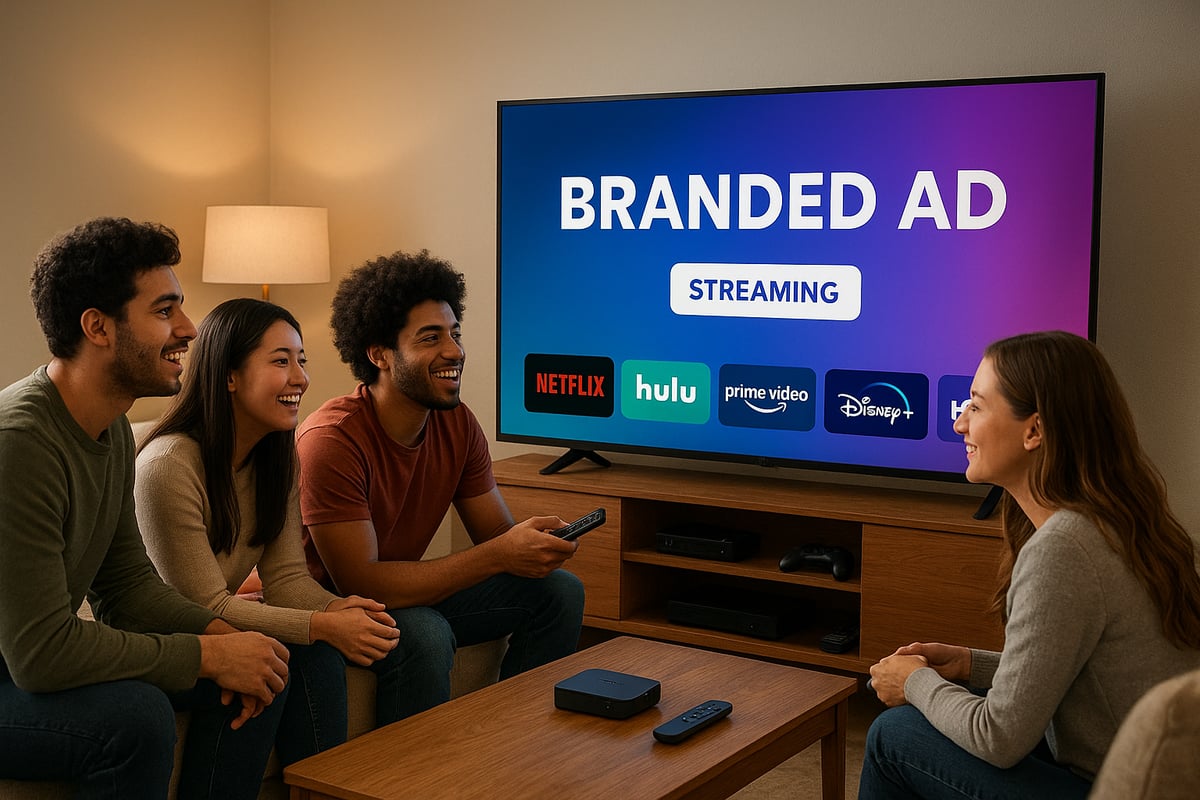
The CTV ecosystem is vibrant and multifaceted. Key devices include smart TVs, Roku, Amazon Fire TV, Apple TV, and gaming consoles, each supporting a range of streaming services. Platforms like Hulu, YouTube TV, and Peacock have become household names, while content providers continue to expand their ad-supported offerings. Agencies specializing in CTV must navigate this ecosystem to secure premium inventory and seamless ad delivery for their clients.
Industry trends in 2026 point to explosive growth. Cord-cutting is accelerating, with millions of households leaving cable behind in favor of streaming. Ad-supported streaming is booming, and CTV’s share of total video ad spend is soaring, projected to surpass $40 billion in 2026. For a ctv advertising agency, this means more inventory, diverse audiences, and greater opportunities for innovation.
CTV’s audience reach is unmatched among digital channels. Millennials and Gen Z lead the shift, but affluent households and families are also embracing streaming as their primary viewing method. Brands working with a ctv advertising agency can tap into precise targeting options, delivering tailored messages to viewers based on demographics, interests, and viewing habits.
The benefits over traditional TV are substantial. CTV enables:
- Advanced audience targeting and segmentation
- Interactive and shoppable ad formats
- Real-time measurement and attribution
- Seamless cross-device integration for holistic campaigns
These features empower a ctv advertising agency to drive measurable outcomes and optimize ad spend across the funnel.
CTV’s role in omnichannel strategies is expanding rapidly. Agencies now integrate CTV with digital, social, and search campaigns to maximize reach and reinforce messaging. For example, Mazda partnered with its ctv advertising agency to achieve a 40% lift in conversions and a 32% reduction in cost per acquisition, showcasing CTV’s impact on performance marketing.
However, challenges remain. Fragmentation across devices and platforms complicates campaign management. Frequency capping, ad fatigue, and brand safety require constant attention. A ctv advertising agency must deploy advanced tools and transparent processes to manage these complexities while delivering consistent results.
In summary, CTV advertising in 2026 is defined by its dynamic ecosystem, robust targeting, and measurable ROI. Brands and agencies that master these elements will be well-positioned to thrive as streaming becomes the dominant force in video advertising.
Step-by-Step CTV Campaign Execution for Agencies
Launching a successful CTV campaign in 2026 requires a systematic approach that combines technology, data, and creative expertise. As a ctv advertising agency, your ability to execute each stage with precision determines campaign effectiveness and client satisfaction.

Pre-campaign Planning and Research
The first step for any ctv advertising agency is thorough pre-campaign planning. Start by identifying the client's business objectives and defining measurable goals such as incremental reach, brand lift, or cost-per-acquisition.
Conduct audience research using first-party and third-party data to understand viewing habits, device usage, and content preferences. Competitive analysis helps benchmark against industry leaders and spot unique opportunities.
A detailed strategy aligns creative direction, budget allocation, and KPIs for optimal outcomes.
Platform Selection and Inventory Quality
Choosing the right platforms is crucial for campaign success. A ctv advertising agency must evaluate inventory sources, considering factors like device compatibility, audience scale, and premium publisher access.
Assess each platform's fraud prevention protocols and commitment to brand safety. Platforms such as Roku, Hulu, and YouTube TV offer robust inventory, but verifying transparency and quality ensures your ads appear in trustworthy environments.
A platform matrix can help compare features, targeting options, and pricing models for each provider.
Creative Development and Testing
Effective creative is essential in CTV environments. A ctv advertising agency should craft engaging video assets optimized for multiple screen sizes and audience segments.
Implement A/B testing to compare variations in messaging, visuals, and calls to action. Consider interactive or shoppable ad formats to drive higher engagement and conversions.
Adapt creative assets for platform-specific requirements, ensuring smooth playback and compliance with technical specifications.
Campaign Setup and Launch
Configuring campaign parameters is the next step. Use a demand-side platform (DSP) to set up audience segments, define budget caps, and schedule ad flights.
A ctv advertising agency configures bids based on inventory value and desired outcomes, leveraging advanced targeting such as geolocation, interests, or device type.
Integrate tracking pixels and conversion tags to capture accurate performance data from the start. Ensure all legal and privacy requirements are met before launch.
Real-time Optimization and Management
Once live, a ctv advertising agency must actively monitor campaign performance. Use real-time dashboards to track metrics like impressions, completion rates, and frequency.
Adjust bids, creative rotation, and audience targeting based on data insights. For example, if certain segments show higher engagement, reallocate budget to maximize return.
Regular optimization helps maintain relevance, control ad fatigue, and ensure spending efficiency throughout the campaign lifecycle.
Measurement, Attribution, and Reporting
Accurate measurement is key to demonstrating value. Set clear KPIs for each campaign, such as incremental reach, CPA, or conversion lift.
Deploy multi-touch attribution models to connect CTV exposure with online and offline actions. Cross-device tracking provides a holistic view of user journeys, essential for omnichannel strategies.
Leverage automated reporting tools to provide transparent, actionable insights to stakeholders. For a comprehensive list of services that support each stage, review these CTV ad agency services.
Post-campaign Analysis and Recommendations
After campaign completion, a ctv advertising agency should conduct a thorough analysis. Review performance against objectives, extract actionable insights, and prepare recommendations for future campaigns.
Continuous learning and adaptation ensure each campaign delivers stronger results and greater ROI.
Measurement, Attribution, and Proving ROI
Effectively measuring performance and proving ROI is critical for every ctv advertising agency looking to deliver results in 2026. As CTV becomes a centerpiece of omnichannel strategies, brands and agencies must adopt sophisticated measurement frameworks to connect ad exposure to tangible business outcomes.

Key CTV Metrics for Agencies
Every ctv advertising agency must track metrics that reflect both reach and impact. The most important CTV metrics include:
| Metric | Description | Why It Matters |
|---|---|---|
| Impressions | Number of times an ad is served | Gauges campaign scale |
| Completion Rate | % of ads watched in full | Measures engagement |
| Incremental Reach | Unique viewers not reached by other channels | Assesses added value |
| Cost-Per-Acquisition | Cost to drive a desired action (e.g., signup, purchase) | Evaluates cost efficiency |
These metrics enable agencies to benchmark performance, optimize spend, and demonstrate value to clients.
Multi-Touch Attribution and Cross-Device Measurement
A ctv advertising agency must move beyond last-touch attribution to understand the true impact of CTV in the customer journey. Multi-touch attribution models help connect CTV ad exposure to both online and offline conversions, recognizing that viewers often engage across multiple devices before converting.
Cross-device measurement is essential for tracking users as they move between smart TVs, mobile, and desktop. Agencies leverage device graphs and identity resolution technologies to unify data, ensuring accurate attribution and reducing duplication.
Leveraging Business Intelligence and Industry Standards
Modern ctv advertising agency operations integrate business intelligence tools for granular reporting and real-time insights. Automated dashboards aggregate data across platforms, allowing teams to analyze performance by audience segment, creative, and placement.
Industry standards and third-party verification play a vital role in ensuring accuracy and transparency. Organizations like the IAB are pushing for unified measurement protocols, while third-party partners provide independent validation of campaign results.
Overcoming Measurement Challenges
Despite technological advances, agencies still face hurdles such as walled gardens, fragmented data, and attribution gaps. Common challenges include:
- Inconsistent reporting across platforms
- Limited visibility in closed ecosystems
- Difficulty linking CTV exposure to offline actions
For a deeper look at these issues and emerging solutions, see this resource on CTV advertising measurement and attribution challenges and solutions.
Real-World Example: Mazda’s CTV Success
Consider how one ctv advertising agency drove impressive results for Mazda. By leveraging advanced targeting and cross-device measurement, Mazda achieved a 40% increase in conversions and a 32% reduction in CPA. This outcome demonstrates the value of robust measurement strategies and transparent reporting.
Best Practices for Communicating CTV ROI
To maximize trust and client satisfaction, a ctv advertising agency should:
- Set clear KPIs aligned to business goals
- Provide transparent, third-party verified reports
- Visualize data with easy-to-understand dashboards
- Contextualize results within broader marketing objectives
With rigorous measurement, attribution, and clear communication, agencies can prove the value of CTV and secure long-term partnerships.
The Evolving Role of CTV Advertising Agencies
As the CTV advertising landscape matures, brands face a complex array of choices and challenges. The expertise of a ctv advertising agency has become invaluable for companies navigating this dynamic environment. With rapid changes in technology and audience behavior, agencies help brands maximize reach and ROI while minimizing wasted spend.

Why Brands Choose a CTV Advertising Agency
Brands turn to a ctv advertising agency for specialized skills, advanced tools, and deep market insights. Agencies provide access to premium inventory, fraud prevention technologies, and sophisticated data analytics that many in-house teams cannot easily replicate.
A ctv advertising agency also brings strategic thinking, ensuring each campaign aligns with the brand’s objectives and audience. This partnership allows brands to keep pace with evolving CTV trends while focusing internal resources on core business goals.
Core Services and Collaboration Models
A modern ctv advertising agency offers a full suite of services, including:
- Campaign strategy and planning
- Creative development tailored for CTV formats
- Media buying and cross-platform activation
- Data analytics, measurement, and real-time optimization
- Transparent reporting with actionable insights
Collaboration models are evolving too. Agencies now work as true partners, often integrating with client teams through shared KPIs, hybrid project management, and regular communication. This approach fosters agility and accountability, essential in today’s fast-moving market.
In-house vs Agency, Technology, and Case Study
Choosing between an in-house team and a ctv advertising agency requires careful consideration. In-house teams offer brand familiarity and control, but agencies deliver scale, innovation, and access to cutting-edge platforms.
Technology is a major differentiator. Agencies leverage proprietary data, automation, and AI to drive campaign performance. For example, leading agencies have delivered remarkable results for brands across industries. In the automotive sector, a ctv advertising agency helped Mazda achieve a 40 percent lift in conversions and a 32 percent lower CPA. To see more real-world results and creative strategies, review these CTV advertising examples.
Selecting the Right CTV Advertising Agency in 2026
Finding the right ctv advertising agency partner in 2026 means evaluating several critical factors:
- Proven expertise in CTV strategy and execution
- Transparent pricing and risk management practices
- Commitment to brand safety and compliance
- Performance guarantees and clear ROI benchmarks
Agencies that prioritize transparency, data-driven decision making, and continuous innovation will stand out. As the CTV space becomes more competitive, brands need partners who can adapt quickly, manage risk, and deliver measurable results. Ultimately, the right ctv advertising agency will act as an extension of your team, future-proofing your campaigns and driving sustained growth.
Industry-Specific CTV Strategies and Case Studies
Connected TV is rapidly reshaping how brands in every sector connect with audiences. A ctv advertising agency plays a pivotal role in customizing strategies for unique verticals, ensuring compliance, and driving measurable results. Let us explore how top industries harness CTV and what agencies can learn from their successes.
Healthcare: Transforming Patient Acquisition with CTV
Healthcare marketers rely on a ctv advertising agency to reach patients in privacy-compliant ways. With HIPAA restrictions, agencies leverage privacy-safe targeting, focusing on contextual content and geolocation rather than sensitive personal data.
CTV enables precise outreach to families, seniors, or caregivers, especially as telehealth adoption grows. For example, a leading hospital system partnered with an agency to launch CTV campaigns that increased appointment bookings by 28 percent within three months. Creative messaging focused on convenience and trust, driving higher engagement rates.
Agencies also help healthcare brands navigate regulatory hurdles, ensuring every ad creative and targeting method meets compliance standards. This approach builds brand credibility while maximizing patient acquisition.
Automotive: Driving Engagement and Sales
The automotive sector has embraced CTV for showroom visits and online sales. A ctv advertising agency crafts campaigns using dynamic creative, showing viewers vehicles based on their location and browsing behavior.
Dealerships benefit from retargeting strategies, reaching users who previously interacted with their websites or watched vehicle reviews. For instance, Mazda achieved a 40 percent conversion lift and a 32 percent lower CPA through CTV, combining first-party data with engaging video ads.
Agencies also use cross-device attribution to track results, connecting CTV exposures to both in-person visits and digital lead submissions. This full-funnel visibility helps optimize spend and validate campaign impact.
Entertainment: Maximizing Streams and Revenue
Entertainment brands turn to a ctv advertising agency to boost video-on-demand streams and ticket sales. Agencies design interactive CTV ads, allowing viewers to watch trailers or purchase tickets directly from their TV screens.
A recent campaign for a major streaming platform used shoppable ad formats and personalized content recommendations, resulting in a 25 percent increase in new subscriber sign-ups. CTV’s ability to target by viewing habits and demographics ensures each ad reaches the right audience segment.
According to Connected TV is transforming advertising, the rise of ad-supported streaming is fueling this growth, enabling entertainment companies to scale campaigns efficiently.
Franchise, B2B, and Public Affairs: Diverse Applications and Lessons
Franchise systems leverage a ctv advertising agency to localize ads, driving brand awareness and lead generation within specific markets. Agencies use geotargeting and real-time analytics to optimize local campaigns, resulting in higher conversion rates for franchisees.
In B2B and public affairs, agencies help brands reach niche professional audiences or influence policy decisions. For example, a vaccine awareness initiative used CTV to target healthcare professionals and parents, increasing campaign reach by 30 percent compared to linear TV.
A ctv advertising agency also supports data-driven optimization across verticals. The table below summarizes key outcomes from recent campaigns:
| Industry | KPI Improved | Example Result |
|---|---|---|
| Healthcare | Appointment Rate | +28% |
| Automotive | Conversion Lift | +40% |
| Entertainment | Subscriber Growth | +25% |
| Franchise | Local Leads | +33% |
| B2B/Public | Reach Efficiency | +30% |
Lessons learned include the importance of creative adaptation, regulatory compliance, and cross-channel measurement. Agencies that tailor strategies to each industry’s needs consistently deliver stronger ROI.
Industry adoption is accelerating, with CTV ad spend projected to reach $46.89 billion by 2029, highlighting the growing value of a specialized ctv advertising agency for brands seeking measurable growth.
The Future of CTV Advertising: Predictions for 2026 and Beyond
Connected TV is positioned for unprecedented growth as we approach 2026, reshaping how brands and agencies engage audiences. The ctv advertising agency landscape is transforming rapidly, with more viewers shifting from traditional linear TV to streaming platforms every year.
By 2026, CTV is projected to capture a significant share of global video ad spend, surpassing $40 billion in the US alone. This growth is fueled by consumers embracing ad-supported streaming and FAST (Free Ad-Supported TV) channels. These platforms offer a wider variety of content, drawing cord-cutters and younger demographics who expect flexible, on-demand viewing experiences.
A key trend is the evolution of ad-supported models. As subscription fatigue grows, more viewers opt for lower-cost or free streaming options in exchange for seeing ads. This shift creates new opportunities for ctv advertising agency teams to reach audiences at scale, using fresh formats and dynamic creative.
Measurement and attribution are also advancing. Brands demand accurate insights into how CTV ads drive both online and offline outcomes. Industry bodies like the IAB are pushing for unified standards, as highlighted in IAB urges standards for CTV ad measurement. Deterministic attribution and cross-platform identity resolution are becoming essential, allowing marketers to connect the dots between TV exposure and consumer actions with greater confidence.
Artificial intelligence and machine learning are set to revolutionize CTV. These technologies empower ctv advertising agency professionals to automate targeting, personalize creative, and optimize campaigns in real time. AI-driven insights enable agencies to predict outcomes, allocate budgets efficiently, and minimize wasted impressions. This data-driven approach helps brands stay ahead in a competitive market.
The convergence of linear and connected TV is another crucial development. Addressable TV, where ads are targeted at the household or device level, is bridging the gap between traditional and digital video. Unified buying platforms let agencies manage campaigns across linear, CTV, and digital video from a single dashboard, streamlining operations and improving efficiency.
Privacy-first advertising is now a priority. With evolving regulations such as GDPR and CCPA, ctv advertising agency strategies must prioritize consumer consent, data minimization, and transparent practices. Agencies that invest in privacy-compliant technology and processes will build trust with both clients and viewers.
To thrive in this environment, brands and agencies should:
- Invest in flexible, cross-platform media buying tools
- Embrace AI-powered optimization and creative personalization
- Partner with publishers offering premium, brand-safe inventory
- Stay informed on measurement standards and regulatory changes
- Foster a culture of transparency and accountability
The following table summarizes key trends shaping CTV in 2026:
| Trend | Impact on Agencies |
|---|---|
| Growth of ad-supported CTV | Expanded reach, new audience segments |
| AI and automation | Improved targeting, real-time optimization |
| Unified measurement | Reliable ROI, cross-device attribution |
| Privacy regulations | Need for compliance and transparent data practices |
| Linear-CTV convergence | Streamlined buying, addressable TV opportunities |
Mastering CTV in 2026 will be essential for any ctv advertising agency aiming to deliver measurable results and long-term value. As technology evolves and audiences migrate, those who adapt quickly will lead the next era of digital marketing.